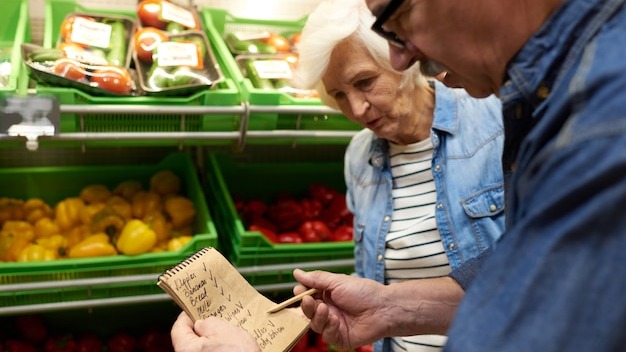
Grocery shopping has turned into a stress test for household budgets, and new polling shows just how widespread the strain has become. Nearly 9 in 10 Americans now say the cost of filling a cart is a serious concern, a level of anxiety that cuts across income brackets and regions. Even as headline inflation cools, food prices remain stubbornly high, reshaping how people eat, shop, and save.
Behind those checkout-line frustrations is a mix of persistent inflation, climate pressures, and shifting consumer behavior that is forcing families to rewrite their monthly budgets. I see a clear pattern in the latest surveys and forecasts: Americans are not just annoyed by higher prices, they are fundamentally changing their habits to cope, and there is little sign that grocery bills will return to pre‑pandemic norms any time soon.
The new survey that captured a breaking point
The bleak headline figure, that roughly 9 in 10 Americans are alarmed by grocery costs, comes from a nationwide survey that asked people directly how food prices are affecting their lives. The Survey used standard polling methods to gauge sentiment and found that nearly 9 in 10 respondents feel grocery costs are a serious problem, a result that aligns with other research showing food is now one of the most stressful line items in the household budget. A related New survey underscores that Americans are feeling the squeeze not just at the margins but in their core spending, with many saying that what used to buy a full cart now barely covers essentials.
Another poll reinforces the same story from a different angle, finding that Almost 90% of American adults say they are stressed about the cost of groceries, according to a poll released on a recent Monday. That poll, which explicitly framed its questions around stress, shows that food inflation is no longer an abstract macroeconomic concept but a daily emotional burden. Together, these surveys of Americans paint a consistent picture: the grocery aisle has become a pressure point that shapes how people feel about their finances and the broader economy.
Why prices are still climbing even as inflation cools
Part of the frustration is that shoppers keep hearing that inflation is easing, yet their receipts tell a different story. Federal analysts at the Food Price Outlook project that food costs will keep rising, even if the pace slows. According to the Economic Research Service, the latest January Forecast expects prices for all food to increase around 3.0 percent this year, which is slower than the spikes of the past few years but still enough to erode paychecks. The same ERS analysis notes that overall food prices in 2026 are building on several years of cumulative increases, and that typical grocery baskets have effectively decreased in size since 2019 as shoppers trade down or cut back.
Retail data backs up what those forecasts suggest. Industry researchers tracking supermarket trends report that grocery prices were up 2.7% year over year in a recent September snapshot, a sign that the run‑up has not fully reversed. One analysis of Elevated food prices warns that these increases are poised to pressure consumer spending in 2026, particularly for lower income households that have already exhausted savings and credit. Another Dec report, framed around how Food and Beverage companies are responding, notes that these price dynamics are already leading some consumers to fall behind on payments.
Climate, supply chains, and the hidden drivers of sticker shock
While inflation and labor costs are the most visible culprits, the new surveys highlight another force that is quietly pushing grocery bills higher: climate disruption. The Rising global temperatures are contributing to inflated food prices, as severe weather disrupts harvests, damages infrastructure, and raises insurance and transport costs that ultimately show up on the shelf. When drought hits grain regions or floods wipe out vegetable crops, the resulting shortages ripple through everything from bread to beef, and Americans feel that volatility in their weekly shop.
Government analysts acknowledge that these structural pressures are now baked into their models. A Note in the federal Food Price Outlook explains that recent gaps in monthly estimates were followed by a reset of projections that now factor in more frequent climate‑related shocks. The ERS teams that produce these forecasts are effectively telling Americans that the era of ultra‑cheap, ultra‑stable food prices is over, and that volatility is the new normal. For households already stretched thin, that means planning for grocery bills that can spike with the weather, not just with the broader economy.
How Americans are changing their grocery habits to cope
Faced with this reality, Americans are not standing still. One major survey of shopping behavior found that Americans Are Changing to Save Money, with 9 in 10 respondents reporting at least one adjustment to their routine. That same research notes that these shifts extend to Even High Earners, a sign that the Budget squeeze is not limited to low income households. People are switching to store brands, chasing digital coupons on apps like Ibotta and Fetch, and timing their trips around weekly promotions in a way that would have seemed extreme a decade ago.
Another survey from a major lending platform found that 88% of Americans have changed their grocery shopping habits in response to inflation, with 44% choosing cheaper alternatives or cutting certain items entirely. That aligns with the earlier Survey of grocery costs, which found that many households are skipping restaurant meals, stretching leftovers, and buying in bulk to offset higher prices. In practical terms, that might mean a family in Ohio trading fresh berries for frozen, or a single renter in Arizona swapping name‑brand cereal for the store label and using warehouse clubs like Costco or Sam’s Club to stock up on staples.
The long‑term outlook: smaller baskets, persistent stress
Looking ahead, the official forecasts and consumer surveys point in the same direction: grocery stress is likely to remain a defining feature of American life. The ERS January projections suggest that even moderate annual increases, compounded over several years, will keep food taking a larger share of income for many households. The same In 2026 outlook notes that typical grocery baskets have effectively shrunk since 2019, as people respond to higher prices by buying less meat, fewer prepared foods, and more basic ingredients.
At the same time, industry analysts warn that Elevated food prices are poised to pressure consumer spending more broadly, potentially forcing cutbacks in discretionary categories like travel, streaming subscriptions, and home upgrades. For families already telling pollsters that American grocery bills are a top source of anxiety, that means the bleak truth captured in the latest surveys is unlikely to fade quickly. Unless wages rise faster than food costs or structural pressures like climate shocks ease, the typical trip to the supermarket will remain a careful exercise in trade‑offs rather than a routine errand.
More From TheDailyOverview
*This article was researched with the help of AI, with human editors creating the final content.

Cole Whitaker focuses on the fundamentals of money management, helping readers make smarter decisions around income, spending, saving, and long-term financial stability. His writing emphasizes clarity, discipline, and practical systems that work in real life. At The Daily Overview, Cole breaks down personal finance topics into straightforward guidance readers can apply immediately.
