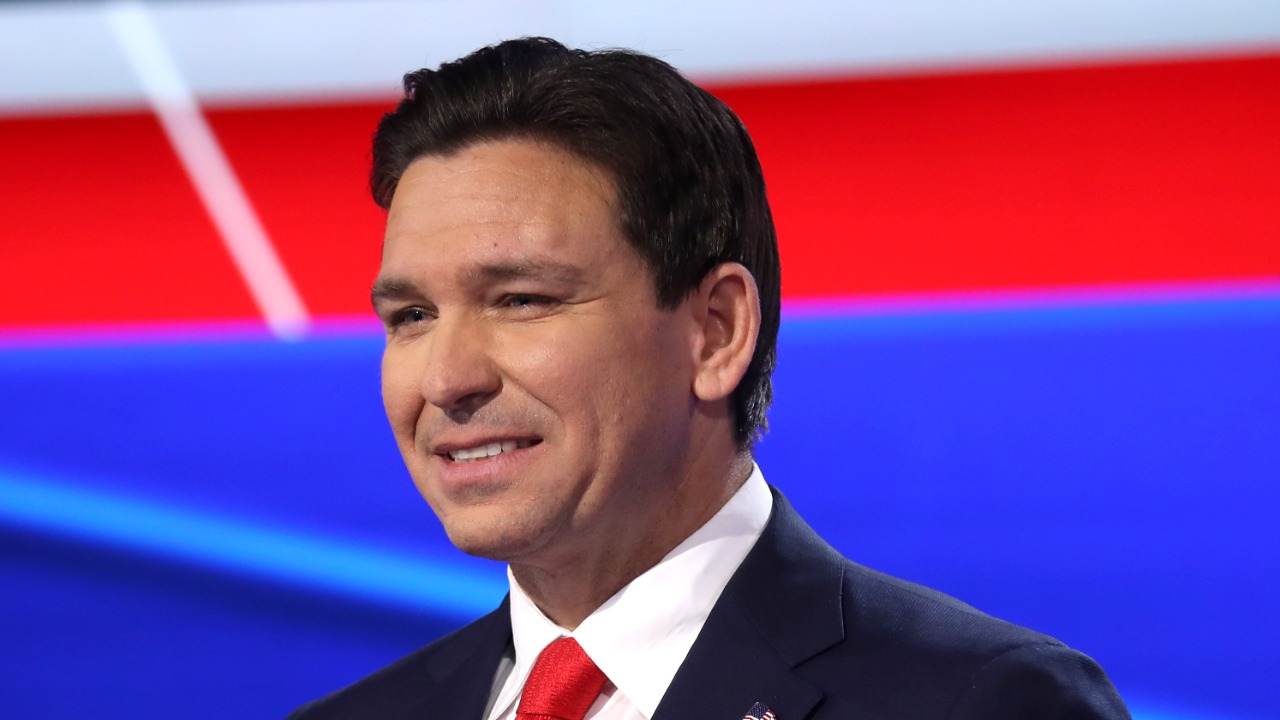
Florida is racing toward a tax experiment that could reshape how the state pays for schools, police, and local services. Governor Ron DeSantis is now mapping out a phased strategy to wipe out property taxes on primary homes by 2026, pitching it as a way to lock in affordability for longtime residents while shifting the burden elsewhere.
The plan hinges on a constitutional amendment, a complex budget swap in Tallahassee, and a high stakes fight with local governments that depend on property levies to function. If it succeeds, Florida would test whether a fast growing Sun Belt state can protect homeowners without hollowing out the public services that make neighborhoods livable.
The phased blueprint DeSantis is selling to homeowners
At the center of the push is a multi year roadmap that would gradually erase property taxes on homesteaded residences, with Governor Ron DeSantis promising voters a clear path to the ballot in 2026. He has framed the effort as a way to shield primary homeowners from rising assessments while keeping Florida’s growth story intact, a pitch that has been amplified in Dec as part of what supporters describe as a TALE of TWO FLORI, one for longtime residents and one for newcomers facing higher bills. According to detailed descriptions of the governor’s rollout, the proposal would move in stages, first capping and then eliminating the levy on primary homes if voters approve the change, a sequence that has been outlined in a phased approach tied to a 2026 ballot requirement.
To get there, DeSantis needs lawmakers to send a constitutional amendment to voters, then win at least 60 percent support statewide, a high bar that shapes every tactical decision. The 2026 legislative session is already being framed around Property Tax Relief, with key committees focused on Determining the best way to deliver meaningful cuts without undermining existing protections like Save Our Homes for longtime residents. Legal and policy analyses circulating in Oct describe how the Florida Constitution would have to be revised to accommodate the governor’s plan, and they stress that any amendment must be tightly drafted to avoid unintended hits to non homestead properties, a concern that has been flagged in early Property Tax Relief briefings.
How the Florida House is trying to lock the amendment onto the 2026 ballot
While DeSantis sketches the big picture, the Florida House is grinding through the mechanics of getting the question in front of voters. A package of measures labeled Florida House Advances Property Tax Cut Proposals for the 2026 Ballot is moving through committees, including language that would eliminate the tax on homesteaded property while leaving other classes of real estate untouched. Legislative staff have warned that even if primary homeowners see their bills drop to zero, owners might face other costs in the form of higher fees or replacement taxes, a tradeoff that is spelled out in the Florida House Advances Property Tax Cut Proposals for analysis.
Parallel legal commentary has branded the idea Florida Property Tax Elimination in 2026, asking whether it is a Golden Ticket or a Hidden Catch for residents who own only one home. Those reviews stress that the YES side of the campaign is focused on primary residences, meaning snowbirds and investors would keep paying property taxes as usual, even if homesteaded Floridians see their bills erased. Real estate attorneys are already advising clients on how to document homestead status and navigate closings if the amendment passes, warning that buyers who miss the cutoff could be locked into the old system, a scenario explored in the Florida Property Tax Elimination breakdown.
Local governments warn of service cuts and regressive fallout
City and county leaders are sounding alarms about what happens if their largest revenue source disappears for a big share of the tax base. In hearings on the proposed amendments, South Pasadena Vice Mayor Thomas Reid told lawmakers that “With less revenue, we face daunting choices,” warning that his city would need to cut services or find new ways to tax residents if taxable values of homesteaded property are carved out of the rolls. His comments, delivered as part of a broader critique of the amendment package, have become a touchstone for opponents who argue that the plan shifts costs without reducing the underlying demand for police, parks, and infrastructure, a concern captured in coverage of South Pasadena Vice Mayor Thomas Reid and his testimony.
Across the state, Local officials are echoing that message, warning that they may have to impose major cuts in services if they lose property tax revenue tied to homesteads. Reports from the Capitol describe how The Florida House is advancing the bills even as city managers and county commissioners plead for a slower timeline or a guaranteed backfill from the state, arguing that fire departments, libraries, and road maintenance cannot be funded on wishful thinking. The tension between state level tax politics and local service delivery is now a central storyline in the debate, as documented in accounts of Local governments watching The Florida House move ahead.
The budget swap: state backfills, special funds, and rural politics
To blunt those fears, DeSantis is leaning on a budget strategy that would have the state replace at least part of the lost local revenue, especially in rural areas that lack large commercial tax bases. His upcoming spending plan has been previewed as a “share the wealth” move, with Florida Politics describing how One proposal would have the state send money directly to counties to cover homestead exemptions, effectively turning a local tax into a state funded benefit. The governor’s allies argue that this approach lets Tallahassee use surplus general revenue to protect services while still delivering relief for residents with homestead exemptions, a tradeoff outlined in early looks at the governor’s budget for rural communities.
Even with that promise, some of the most sensitive pressure points involve special revenue streams that are not easily replaced. Emergency services, for example, often rely on a special revenue fund fueled by charges for services, permits, fees, and special assessments, and those accounts are already stretched. In hearings on the tax proposals, co sponsor Rep advocates have been pressed on whether they can guarantee that fire departments and EMS units will not see their budgets cut if homestead property taxes vanish, a question that hangs over the entire package and is underscored in reporting that details the role of each assessment in keeping first responders on the street, as seen in coverage of assessment based funds and Rep concerns.
Economic stakes: home prices, rents, and Florida’s tax fairness problem
Behind the political fight is a massive economic bet on how the housing market will respond if property taxes on primary homes go to zero. One prominent estimate suggests that the change would add an estimated $200,000,000,000 to $250,000,000,000 in value to Florida’s owner occupied housing stock, a windfall that could enrich existing homeowners while making it harder for first time buyers to get in. Analysts warn that landlords are likely to pass higher acquisition costs through to tenants, pushing up rents even if long term homeowner expenses fall, a dynamic laid out in projections that the $200,000,000,000 to $250,000,000,000 boost could raise both home prices and rent.
Critics and economic analysts are also warning that deleting this revenue stream requires a massive offset elsewhere, whether through higher sales taxes, new fees, or cuts in services. Some have framed the plan as a redistribution of tax burdens from property owners to everyone else, especially renters and low income households who already shoulder a heavy share of consumption taxes, a critique that has been sharpened in Dec as Critics and Some analysts dissect the zero property tax push.
Tax experts note that While most states have regressive tax structures, Florida is the most regressive, with low income Florida families paying a larger share of their income in state and local taxes than wealthier residents. Eliminating property taxes on primary homes without a corresponding break for renters or workers who rely on wages could make that worst in the U S regressive system even worse, deepening disparities between homeowners and everyone else. That warning has become a rallying point for opponents who argue that any reform must address the full tax code, not just one levy, a position detailed in analyses that stress how While most states and Florida’s structure interact.
The political path: legislative friction and a high bar at the ballot box
Even before voters weigh in, DeSantis faces resistance inside his own party in Tallahassee. Reports from the Capitol say Florida lawmakers do not seem willing to go ahead with DeSantis’ plan to completely eliminate property taxes in the state, preferring more modest relief that trims bills without erasing them. Some House leaders have warned that the governor’s blueprint could drive up home prices and strain local budgets, and they have quietly floated alternative amendments that would cap assessments or expand exemptions instead, a split captured in accounts that note how Florida lawmakers are issuing price warnings over the plan.
At the same time, the broader national context shows that Florida is not alone in rethinking property taxes, but it is moving faster and further than most. Maps of state level reforms highlight how several legislatures are rolling back property levies or tightening caps, yet in Florida the suite of tax amendments must still advance through additional legislative committees before it can reach the ballot. If it does, the measure will need 60 percent of voters to sign off, a threshold that has sunk other high profile amendments and is now central to every strategy memo, as explained in rundowns of What Happens Next In Florida.
For now, the debate is unfolding in parallel with other high profile fights in Tallahassee, including immigration policy and emergency powers, giving DeSantis both a platform and a set of distractions. Political roundtables have noted that property tax reform finally has a concrete timeline, with the governor extending his broader agenda even as he keeps returning to homestead relief as a signature promise. In one Full Episode of a statewide political program, analysts walked through how Property tax reform and the immigration state of emergency are intertwined in the governor’s messaging, underscoring that the tax plan is as much about defining his brand as it is about balancing the books, a linkage explored in coverage of the Full Episode on Property debates.
Inside the Senate, the conversation is being shaped by a series of Senate Joint Resolutions Proposed that sketch out different versions of the amendment, from full elimination to narrower exemptions. Legal commentators describe an Eliminating Property Taxes Debate that forces lawmakers to confront what it would mean for millions of Floridians who have spent decades paying off a 30 year mortgage only to see their tax bills rise in retirement. Those voices are trying to cut through the political noise and focus on whether the state can deliver lasting relief without sacrificing stability, a question that sits at the heart of the Senate Joint Resolutions Proposed and their implications for Floridians.
More From TheDailyOverview
- Tennessee loses $2.6B megafactory and faces major layoffs
- Retired But Want To Work? Try These 18 Jobs for Seniors That Pay Weekly
- What to do with your pennies after the U.S. stops minting them
- Home Depot CEO warns of a troubling customer trend in stores

Julian Harrow specializes in taxation, IRS rules, and compliance strategy. His work helps readers navigate complex tax codes, deadlines, and reporting requirements while identifying opportunities for efficiency and risk reduction. At The Daily Overview, Julian breaks down tax-related topics with precision and clarity, making a traditionally dense subject easier to understand.

