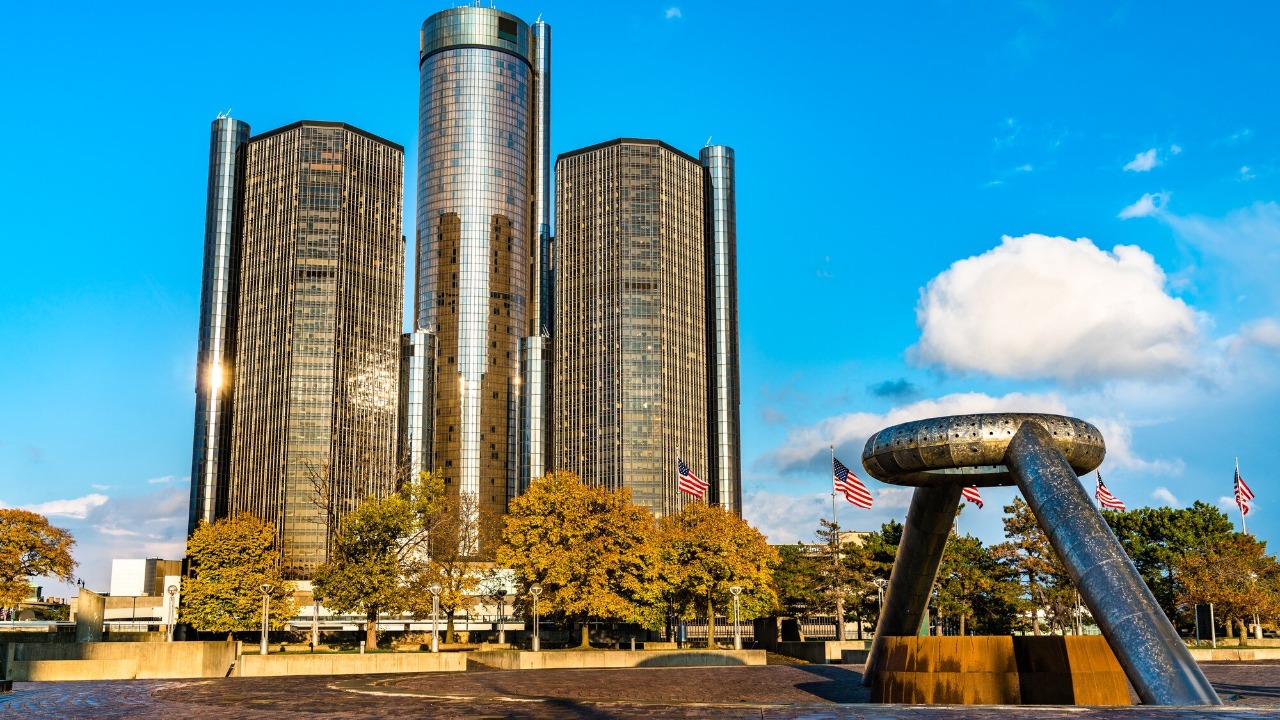
Detroit has filed a lawsuit against a cryptocurrency-based real estate company, accusing it of neglecting property maintenance and creating unsafe living conditions for tenants. The city alleges that the landlord’s failure to address significant violations has resulted in hazardous environments across multiple units. This legal action is part of Detroit’s broader effort to combat housing blight and protect residents.
The Rise of Crypto Landlords in Real Estate

In recent years, the real estate industry has seen a growing trend of cryptocurrency-based investments, attracting tech-savvy investors eager to capitalize on blockchain technology. These crypto landlords leverage blockchain for transparent and secure property transactions, offering a modern approach to traditional real estate practices. The decentralized nature of blockchain technology allows for the elimination of intermediaries, potentially reducing costs and increasing transaction speed.
However, the integration of blockchain in real estate is not without its challenges. Regulatory oversight remains a significant hurdle, as governments and municipalities grapple with how to monitor and manage these new types of property transactions. The lack of clear regulations and accountability mechanisms can lead to issues such as property neglect, as seen in Detroit’s current lawsuit. Ensuring that crypto landlords adhere to local housing codes and standards is crucial for the safety and well-being of tenants.
Detroit’s Ongoing Battle Against Housing Blight

Detroit has long grappled with the issue of housing blight, a legacy of economic downturns and urban decay. The city’s landscape is dotted with neglected properties, many of which have fallen into disrepair due to absentee landlords and speculative investments. Efforts to combat this blight have been ongoing, with the city implementing various initiatives to restore neighborhoods and improve living conditions for residents.
Previous initiatives have focused on holding property owners accountable and incentivizing rehabilitation through tax breaks and grants. Despite these efforts, absentee landlords continue to pose a significant threat to community stability and safety. The recent lawsuit against the crypto-based real estate company underscores the need for vigilant monitoring and enforcement of property maintenance standards, as Detroit seeks to rebuild and revitalize its neighborhoods.
Details of the Lawsuit Against the Crypto Real Estate Company

The lawsuit filed by Detroit alleges severe neglect by the crypto-based real estate company, resulting in unsafe living conditions for tenants. Specific allegations include a lack of running water, structural hazards, and other significant violations of housing and safety codes. These issues have reportedly persisted despite repeated requests for repairs and maintenance from tenants.
The legal basis for the lawsuit rests on the company’s failure to comply with local housing regulations designed to ensure safe and habitable living conditions. In response, the accused company has denied the allegations, with legal representatives arguing that the lawsuit is unfounded. The outcome of this case could set a precedent for how similar issues are handled in the future, particularly in the context of crypto-based property management.
Impact on Tenants and Local Communities

Tenants residing in the affected units have described their living conditions as dire, with some recounting experiences of enduring harsh winters without heat or running water. These firsthand accounts highlight the human toll of property neglect and the urgent need for effective regulation and enforcement. The broader impact on Detroit communities includes decreased property values, increased crime rates, and a general decline in quality of life.
Local advocacy groups have stepped in to support affected renters, offering legal assistance and organizing efforts to hold landlords accountable. These groups play a crucial role in amplifying tenant voices and pushing for policy changes that prioritize safe and affordable housing. The lawsuit against the crypto real estate company serves as a reminder of the ongoing challenges faced by renters in Detroit and the importance of community-driven solutions.
Legal and Regulatory Implications for Crypto Real Estate

The legal battle unfolding in Detroit could have far-reaching implications for the regulation of crypto-based real estate transactions. As municipalities navigate the complexities of blockchain technology, there is a growing need for clear and comprehensive policies that address the unique challenges posed by this new market. The lawsuit may prompt policymakers to reevaluate existing regulations and explore new strategies for ensuring compliance with housing standards.
Potential changes could include stricter oversight of crypto landlords and enhanced requirements for property management accountability. Such measures would not only protect tenants but also foster a more stable and transparent real estate market. As the industry evolves, the intersection of technology and property management will require ongoing attention to balance innovation with consumer protection.
Future Prospects for Detroit and Crypto Real Estate

The outcome of the lawsuit could significantly impact the future of crypto real estate in Detroit and beyond. A ruling in favor of the city may encourage other municipalities to take a closer look at how crypto landlords operate and enforce stricter regulations. This could lead to increased scrutiny of blockchain-based property transactions and a push for more tenant protections.
Despite the challenges, there are opportunities for Detroit to leverage technology and innovation in addressing its housing issues. By embracing new technologies while ensuring robust regulatory frameworks, the city can pave the way for improved housing standards and tenant protections. As the real estate industry continues to evolve, Detroit’s experience may serve as a valuable case study for other cities grappling with similar issues.
For further details, visit Outlier Media and Outlier Media: Property Speculation.

Elias Broderick specializes in residential and commercial real estate, with a focus on market cycles, property fundamentals, and investment strategy. His writing translates complex housing and development trends into clear insights for both new and experienced investors. At The Daily Overview, Elias explores how real estate fits into long-term wealth planning.

