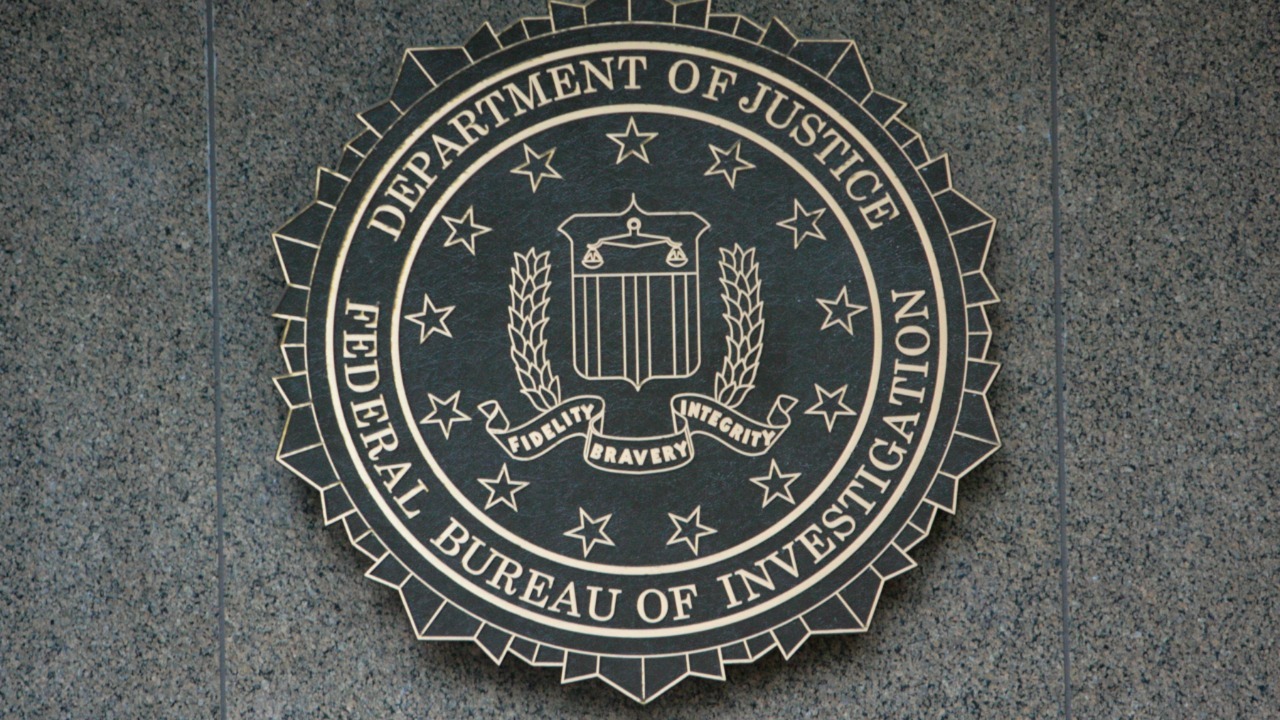
Federal prosecutors say a Michigan health care scheme siphoned roughly $20 million from public and private insurers, turning routine lab work into a vehicle for large-scale fraud. The new criminal charges, aimed at three people tied to a suburban Detroit laboratory, underscore how aggressively the Department of Justice is now pursuing complex billing scams that exploit gaps in the health system.
I see the case as a revealing snapshot of how relatively small operations can allegedly manipulate high-volume testing, telehealth referrals, and kickback arrangements to generate outsized profits. It also shows how investigators are increasingly linking local conduct to broader national enforcement drives targeting laboratory fraud, pandemic-era billing spikes, and abuse of vulnerable patients.
How prosecutors say the $20 million lab scheme worked
At the center of the charges is a clinical laboratory in Michigan that, according to prosecutors, turned routine diagnostic testing into a high-yield billing engine. Investigators allege the lab and its operators submitted claims for tests that were not medically necessary, were never properly ordered, or were bundled in ways that maximized reimbursement rather than patient care, ultimately pulling in about $20 million from Medicare, Medicaid, and private insurers. The charging documents describe a pattern in which physicians were steered to sign off on large panels of tests, often through telehealth or standing orders, that bore little relationship to the patients’ actual conditions, a hallmark of recent federal cases involving lab and genetic testing fraud that the DOJ has highlighted in broader telemedicine and lab crackdowns.
Prosecutors say the three defendants played distinct roles in orchestrating and sustaining the scheme, from recruiting physicians and marketers to overseeing billing practices that pushed the limits of what insurers would pay. In similar health care fraud cases, investigators have traced money flows from inflated claims into luxury purchases and shell companies, and the Michigan indictment follows that pattern by detailing how proceeds were allegedly moved through related entities and personal accounts, behavior that mirrors tactics described in other DOJ actions against lab and telehealth fraud networks. By framing the Michigan case within that larger enforcement narrative, the department is signaling that it views the alleged $20 million theft not as an isolated local scam but as part of a repeatable playbook it is determined to disrupt.
The three defendants and the charges they face
The indictment names three individuals tied to the Michigan laboratory, each accused of helping to engineer or sustain the fraudulent billing operation. According to the DOJ, one defendant served as the effective owner and decision-maker for the lab, another handled marketing and referral relationships, and a third focused on billing and claims submission, a division of labor that prosecutors have also described in other multi-defendant health fraud cases involving laboratory and telemedicine schemes. The charges include health care fraud, conspiracy to commit health care fraud, and related offenses tied to kickbacks and false statements, exposing the defendants to potentially lengthy prison terms if convicted.
In outlining the case, prosecutors emphasize that the alleged conduct did not hinge on a single bad claim but on a sustained pattern of deceptive billing that ran over an extended period and targeted multiple payers. The DOJ has used similar language in recent actions against lab owners in other states, where defendants were accused of paying illegal kickbacks to marketers and physicians in exchange for high-volume referrals, then disguising those payments as consulting or management fees, a structure that appears again in the Michigan charges and aligns with patterns described in national health care fraud sweeps. By stacking conspiracy counts on top of substantive fraud charges, the government is also positioning itself to argue that the three acted in concert, rather than as isolated bad actors inside an otherwise legitimate business.
Kickbacks, telehealth, and the mechanics of the alleged fraud
What stands out to me in the Michigan case is how familiar the alleged mechanics look when compared with other recent DOJ actions against lab and telehealth fraud. Prosecutors say the defendants relied on a network of marketers and telemedicine providers to generate a steady stream of test orders, often for patients who had only cursory contact with a clinician or none at all, a pattern that closely tracks the conduct described in national cases involving telemedicine-driven lab fraud. In those matters, investigators have detailed how call centers and online platforms funneled patients into scripted encounters that ended with broad test panels, regardless of medical need, before routing the orders to cooperating labs that then billed federal programs at high rates.
According to the Michigan charging documents, the defendants also used kickback arrangements to reward those who could deliver large volumes of reimbursable tests, a practice that is explicitly barred under federal anti-kickback laws but continues to surface in enforcement actions. The DOJ has described similar structures in other lab cases, where marketers were paid per test or per referral and physicians received hidden compensation for signing orders, conduct that featured prominently in a recent nationwide lab and genetic testing takedown. By tying the Michigan allegations to that broader pattern, prosecutors are effectively warning that arrangements dressed up as “marketing” or “consulting” will be scrutinized closely when they correlate with spikes in high-margin testing.
Why the DOJ is spotlighting Michigan in a national fraud push
The Michigan charges arrive as the Department of Justice is in the middle of a sustained national campaign against health care fraud, particularly schemes that exploit telehealth, genetic testing, and pandemic-era billing trends. In recent coordinated sweeps, the department has announced charges against dozens of defendants across multiple states, alleging more than $1 billion in intended losses tied to lab and telemedicine scams, and it has repeatedly highlighted how relatively small operations can generate outsized damage to Medicare and Medicaid through aggressive billing tactics, as seen in its latest coordinated enforcement actions. By calling out a $20 million case in Michigan, prosecutors are underscoring that they are not only focused on headline-grabbing billion-dollar schemes but also on mid-sized operations that can still drain public programs and distort clinical decision-making.
I read the Michigan indictment as part of a broader DOJ strategy to deter would-be copycats by showing that even regional labs and local marketers are squarely in the department’s sights. In other recent announcements, officials have stressed that they are using data analytics to spot abnormal billing patterns, then pairing those insights with traditional investigative work, a combination that has already led to charges against lab owners, telehealth executives, and marketers in multiple jurisdictions, as reflected in national telemedicine fraud crackdowns. The Michigan case fits that template: a focused, data-driven investigation into a lab whose billing allegedly diverged sharply from peers, followed by a public indictment meant to send a message well beyond the defendants named in the charging papers.
What the case signals for patients, providers, and insurers
For patients, the Michigan charges are a reminder that fraud in the lab and telehealth space is not an abstract budget problem but a direct threat to the integrity of their care. When tests are ordered primarily to generate revenue, people can be exposed to unnecessary procedures, confusing results, and follow-up visits that have little clinical value, a concern that federal officials have raised repeatedly in their descriptions of recent lab and genetic testing cases. Even when patients are not billed directly, widespread overtesting can drive up premiums and out-of-pocket costs over time, as insurers adjust to higher overall spending.
For legitimate providers and laboratories, I see the Michigan indictment as both a warning and a form of protection. On one hand, it signals that relationships with marketers, telehealth platforms, and referral sources will be scrutinized closely, especially when they involve volume-based payments or unusually broad testing protocols, patterns that have already triggered enforcement in other national fraud sweeps. On the other, aggressive prosecution of alleged bad actors can help level the playing field for labs and clinicians who follow the rules but find themselves competing with rivals willing to chase volume at any cost. Insurers, meanwhile, are likely to respond by tightening preauthorization rules, expanding post-payment audits, and sharing more data with law enforcement, steps that could make it harder for similar schemes to reach the scale alleged in Michigan before they are detected.
More From TheDailyOverview
- Dave Ramsey says these two simple questions show whether you’re rich or poor
- Retired But Want To Work? Try These 18 Jobs for Seniors That Pay Weekly
- IRS raises capital gains thresholds for 2026 and what’s new
- 12 ways to make $5,000 fast that actually work

Grant Mercer covers market dynamics, business trends, and the economic forces driving growth across industries. His analysis connects macro movements with real-world implications for investors, entrepreneurs, and professionals. Through his work at The Daily Overview, Grant helps readers understand how markets function and where opportunities may emerge.