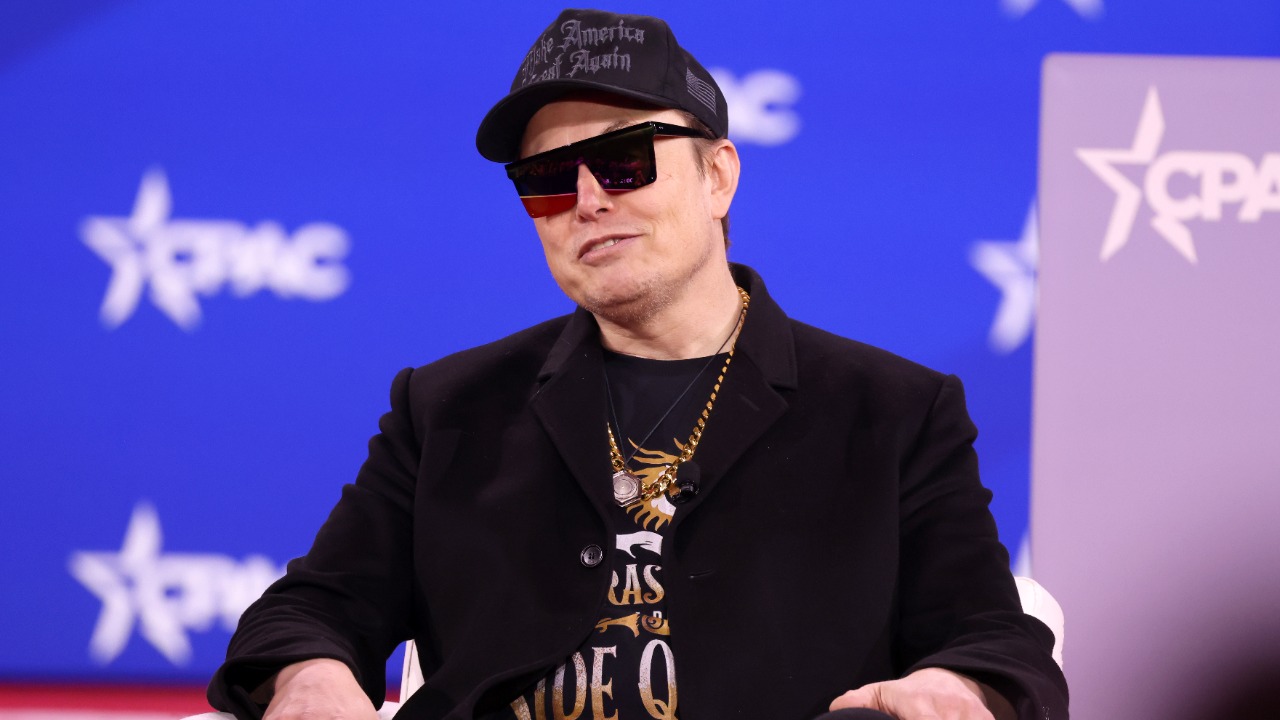
Elon Musk, the CEO of Tesla and SpaceX, frequently garners attention as the “world’s richest man.” However, some experts argue that this title oversimplifies a complex narrative. The discussion around Musk’s wealth involves fluctuating net worth, illiquid assets, and broader implications of influence and power.
The Complexity of Wealth Measurement
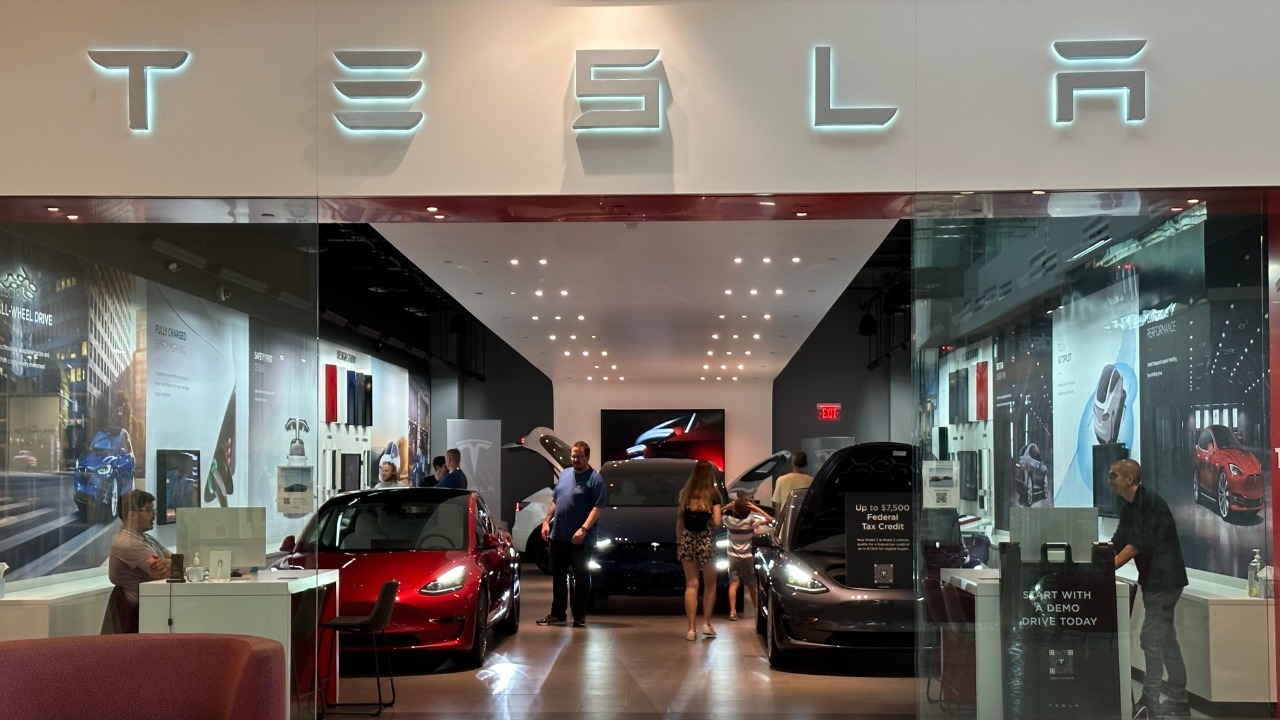
Elon Musk’s net worth is closely tied to the stock market’s dynamic nature, particularly the volatile shares of Tesla, which form a significant portion of his wealth. For instance, during periods of market downturn, Tesla’s stock can experience dramatic price declines, causing Musk’s net worth to drop by billions overnight. Conversely, the opposite occurs during bullish trends, where even a slight increase in stock prices can significantly inflate his wealth. This fluctuation illustrates how Musk’s standing as the world’s richest man can change as rapidly as the market itself.
Another factor complicating the assessment of Musk’s wealth is the nature of his assets. Much of his financial portfolio is composed of illiquid assets, primarily stocks, and stakes in his companies, rather than cash or liquid investments. This aspect means that while Musk’s net worth appears astronomical on paper, it doesn’t necessarily equate to available financial resources that can be easily accessed or spent. The complexity of estimating his true wealth highlights why some experts question the validity of labeling him as the richest man.
The Role of Influence and Power
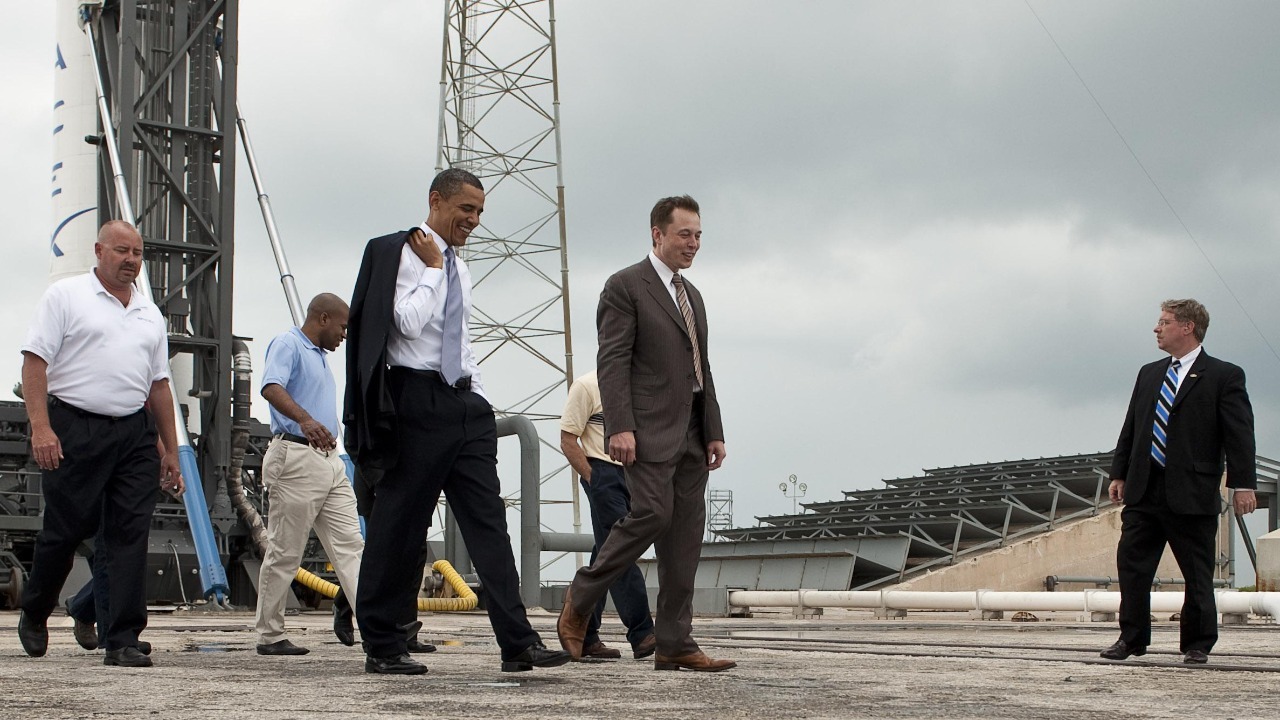
Beyond just financial metrics, Musk’s influence and power extend into realms that his wealth alone cannot measure. He has a substantial impact on technological innovation and public perception, often steering market trends with a single tweet. Musk’s ventures, including SpaceX’s advancements in space exploration and Tesla’s push towards sustainable energy, have influenced industries far beyond traditional automotive or aerospace sectors, suggesting that his influence might surpass his financial wealth.
Moreover, Musk’s reported communications with world leaders illustrate his significant geopolitical impact. For instance, his discussions with political figures, as highlighted in this PBS NewsHour article, demonstrate his ability to navigate complex global dynamics. These interactions underscore how Musk’s power and influence could be more relevant than his fluctuating wealth when evaluating his true impact on the world stage.
The Social and Ethical Implications
Focusing on individual wealth like Musk’s can obscure broader societal concerns, such as wealth disparity and economic inequality. While the narrative of Musk as the richest man captures public imagination, it may detract from pressing issues like the widening gap between the ultra-wealthy and the average citizen. Addressing these disparities requires more than just acknowledging individual financial success; it necessitates a broader examination of systemic economic structures.
Additionally, the ethical considerations surrounding wealth accumulation and distribution are significant. The concentration of wealth among a few individuals like Musk raises questions about the fairness and sustainability of current economic systems. Discussions on ethical wealth distribution suggest a need to rethink how wealth is generated and shared, ensuring that economic growth benefits society as a whole rather than just a select few.
The Media’s Role in Perception

The media’s portrayal of Musk as the world’s richest man can skew public perception of what constitutes success and wealth. Sensationalist reporting often reduces complex financial narratives to simple headlines, overlooking the nuances of wealth measurement and its implications. This type of coverage can influence public opinion, shaping views on capitalism and entrepreneurship in ways that prioritize financial gain over other measures of success.
Furthermore, media narratives about Musk’s wealth can affect societal attitudes towards entrepreneurship and innovation. By focusing on his financial status, the media may inadvertently promote a narrow view of success, overshadowing other valuable contributions like technological advancements and sustainable practices. This influence on public opinion underscores the need for more nuanced reporting that considers various dimensions of success beyond just financial wealth.
Alternative Metrics for Success
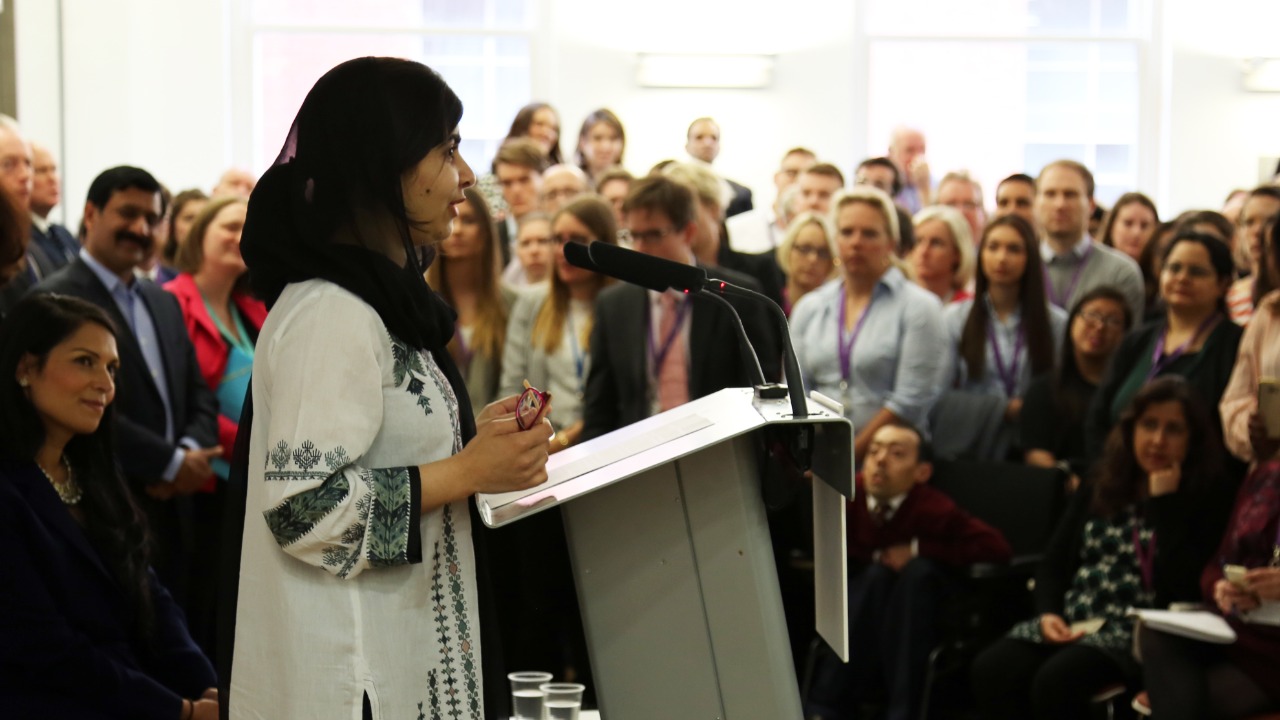
There is a growing call to redefine success beyond mere financial wealth, looking instead at factors like innovation, societal contributions, and sustainable business practices. For instance, companies that prioritize environmental sustainability and ethical labor practices can achieve significant success without necessarily being the wealthiest. This broader perspective on success emphasizes the importance of creating value that benefits society as a whole.
Examining other influential leaders who have made significant impacts without holding titles as the “richest” further supports the idea of alternative metrics for success. Consider individuals like Malala Yousafzai, whose advocacy for education and human rights has had a profound global impact despite not being associated with vast wealth. Such case studies illustrate that success can be measured in various ways, highlighting contributions that go beyond financial accumulation.

Grant Mercer covers market dynamics, business trends, and the economic forces driving growth across industries. His analysis connects macro movements with real-world implications for investors, entrepreneurs, and professionals. Through his work at The Daily Overview, Grant helps readers understand how markets function and where opportunities may emerge.

