
The automotive industry is on the brink of a major upheaval as recent developments in import tariffs threaten to significantly escalate vehicle prices. Consumers may soon find themselves grappling with higher costs when purchasing their next car, a consequence of these tariffs. The increasing financial burden on consumers is just one aspect of this multifaceted issue, which also poses challenges and opportunities for the global automotive sector.
The Mechanics of Import Tariffs

Import tariffs are taxes imposed by governments on goods imported from other countries. These tariffs aim to protect domestic industries by making imported goods more expensive and less competitive compared to local products. In the context of international trade, tariffs are often used as bargaining chips in negotiations or as tools to pressure foreign governments to change particular policies.
Historically, import tariffs have played a prominent role in shaping the automotive industry. One notable example is the U.S. tariffs on Japanese cars in the 1980s, which aimed to protect American automakers from foreign competition. These tariffs led to a temporary boost for domestic manufacturers but also resulted in higher prices for consumers. More recently, the Trump administration’s tariff proposals on European and Chinese vehicles sparked widespread concern about potential trade wars and their cascading effects on the global economy.
In the present day, new tariff proposals are once again making headlines. Legislative developments in the United States and other countries are scrutinizing these proposals, debating their potential impact on international trade and domestic markets. The ongoing discourse highlights the complex interplay between economic protectionism and the demand for affordable consumer goods.
Impact on Vehicle Prices

The most immediate effect of import tariffs on the automotive industry is the direct increase in costs for manufacturers, which inevitably translates into higher sticker prices for consumers. When tariffs are applied to imported vehicles or parts, manufacturers face increased expenses that are often passed down the supply chain. For instance, a 25% tariff on imported cars could raise the price of a vehicle by several thousand dollars, significantly impacting consumer purchasing decisions.
Beyond direct cost increases, import tariffs can also disrupt the global supply chain. Many automakers rely on a complex network of international suppliers for parts and materials. Tariffs can cause delays and increase transportation costs, further driving up prices for consumers. As automakers navigate these challenges, they must also contend with the uncertainty of fluctuating tariff rates and the potential for sudden policy changes. This uncertainty can lead to conservative pricing strategies and inventory management challenges for dealerships, as highlighted in a recent CNN report.
In the long term, sustained or increased tariffs could lead to higher vehicle prices across the board. Industry analysts predict that if current tariff trends continue, we could see significant hikes in vehicle costs over the next decade. This potential for continued price escalation underscores the need for strategic planning by both manufacturers and consumers.
Industry Response and Adaptation
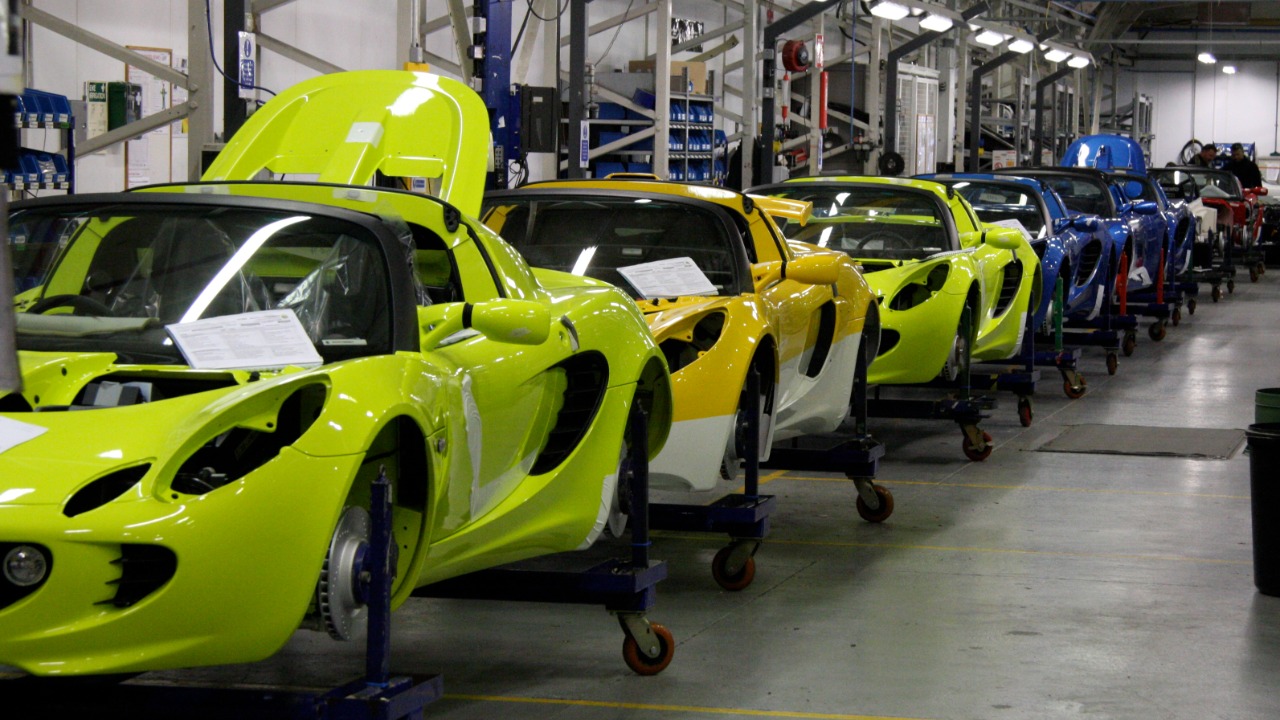
Faced with the challenges posed by import tariffs, automotive manufacturers are adopting various strategies to mitigate their impact. Some are considering relocating production facilities to countries with more favorable trade agreements. Others are exploring alternative sourcing options for parts and materials to reduce reliance on tariff-affected imports. For example, BMW has already announced plans to increase production at its U.S. plants to offset the impact of European tariffs.
Car dealerships are also experiencing significant challenges in the current tariff environment. Rising costs are forcing dealers to rethink their pricing and sales strategies. Many are investing in data analytics and customer relationship management tools to better understand consumer behavior and optimize inventory management. Additionally, dealers are exploring innovative financing solutions to help consumers manage the higher costs associated with new vehicle purchases. A recent report on MSN highlights how some dealerships are offering extended loan terms and promotional interest rates to attract cost-conscious buyers.
In response to these challenges, the industry is also turning to technology and innovation. Manufacturers are investing in research and development to create more efficient production processes and cost-effective materials. Some are exploring the potential of electric vehicles as a way to diversify their product offerings and mitigate the impact of tariffs on traditional internal combustion engine vehicles.
Consumer Considerations and Strategies

For consumers, the prospect of higher vehicle prices due to import tariffs necessitates strategic financial planning. It is crucial to consider how these increased costs might affect one’s budget. Setting aside additional funds for potential price hikes or exploring financing options that offer flexibility can help alleviate the financial strain.
Consumers may also benefit from exploring alternative vehicle options that are less impacted by tariffs. Certified pre-owned vehicles, for example, can offer significant savings compared to new models while still providing the peace of mind of a manufacturer’s warranty. Electric vehicles are another viable alternative, as they may be subject to different tariff structures or incentives that make them more affordable in the long run. Additionally, timing can be a critical factor; keeping an eye on industry trends and potential tariff changes can help consumers make informed decisions about when to make a purchase.
Ultimately, staying informed and proactive is key for consumers navigating the complex landscape of vehicle pricing in the era of import tariffs. By understanding the potential cost implications and exploring different options, consumers can make strategic choices that align with their financial goals and transportation needs.
Global Trade Implications
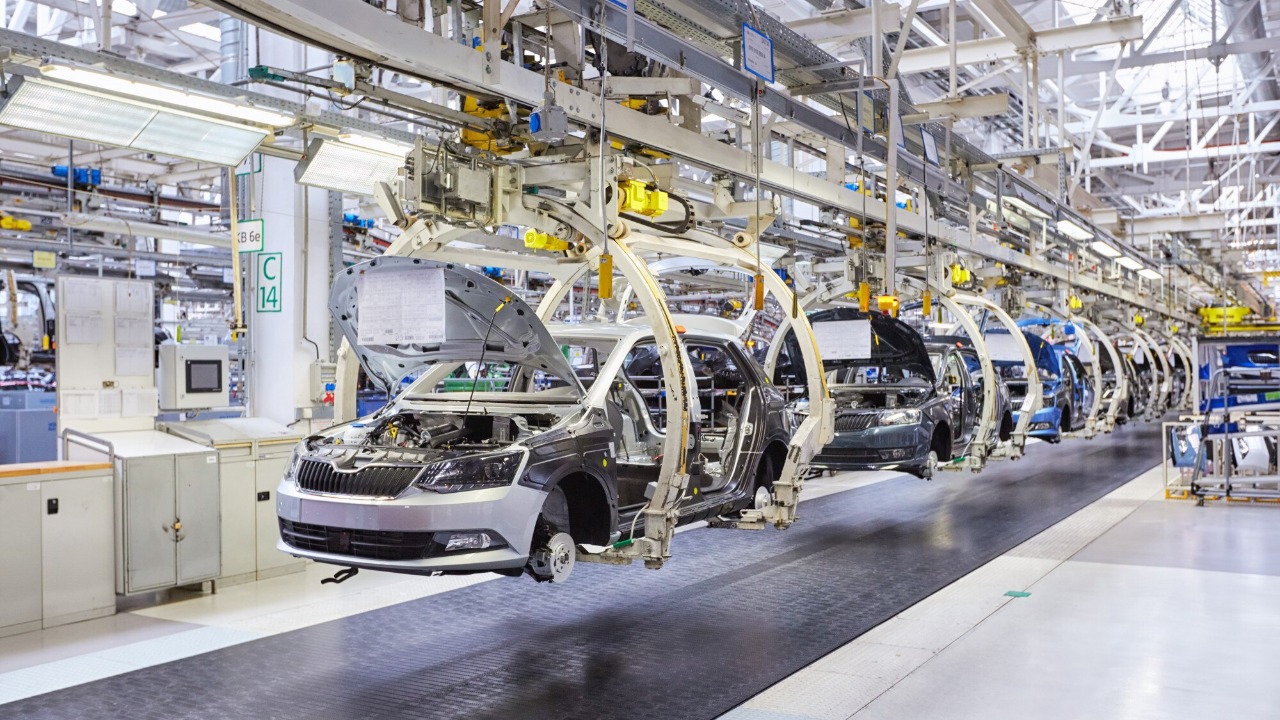
Import tariffs on vehicles have far-reaching implications beyond immediate pricing concerns. They can significantly impact international trade relations, as countries affected by these tariffs may retaliate with their own measures, leading to potential trade wars. The MotorTrend analysis of recent trade tensions highlights how such conflicts can disrupt global supply chains and create uncertainty for businesses and consumers alike.
Moreover, the economic ripple effects of automotive tariffs extend beyond the industry itself. Jobs in related sectors, such as parts manufacturing, logistics, and retail, may be at risk if tariffs lead to reduced demand for vehicles. The broader economic impact could include slowed growth and increased inflation, compounding the challenges faced by consumers and businesses.
Looking ahead, ongoing trade negotiations will play a crucial role in shaping the future landscape of import tariffs and their impact on the automotive industry. It is vital for policymakers to consider the long-term implications of tariff policies and strive for balanced solutions that protect domestic industries while fostering healthy international trade relationships. As the global economic environment continues to evolve, staying informed about these developments will be essential for industry stakeholders and consumers alike.

Cole Whitaker focuses on the fundamentals of money management, helping readers make smarter decisions around income, spending, saving, and long-term financial stability. His writing emphasizes clarity, discipline, and practical systems that work in real life. At The Daily Overview, Cole breaks down personal finance topics into straightforward guidance readers can apply immediately.

