Dow is preparing one of the largest workforce reductions in its modern history, cutting 4,500 jobs as it pivots aggressively toward artificial intelligence and automation. The move signals how deeply digital tools are reshaping even the most traditional corners of heavy industry, with software now treated as a core production asset alongside reactors and railcars. It also raises a blunt question for workers and investors alike: how much human labor will a data driven chemical giant really need.
The scale of the cuts and who is affected
The company has confirmed that it will eliminate about 4,500 positions worldwide, a sweeping restructuring that reaches across plants, labs and offices. Those job losses represent roughly 12 percent of the workforce, since Dow had 36,000 employees as of late 2024 according to Bloomberg. For a company that still markets itself as a pillar of local manufacturing communities, the scale alone is enough to rattle towns that grew up around its complexes.
Management has framed the layoffs as part of a broader effort to “streamline” operations, a phrase that has become shorthand for using software to do work that once required people. Chemicals maker Dow, Inc has told workers that the cuts will roll out in phases, with some regions also facing separate restructuring plans that could eliminate hundreds more jobs over the summer. As I read the details, it is clear that this is not a marginal trim but a reset of how the company expects work to be done.
AI, automation and the “Transform to Outperform” gamble
Executives are tying the layoffs directly to a new program that leans heavily on digital tools. Dow has said it is embarking on an initiative dubbed Transform to Outperform, which will deploy artificial intelligence and automation across production, logistics and back office work. The company has been explicit that the 4,500 employees are being cut as it shifts emphasis to AI driven systems that can optimize plant conditions in real time, schedule maintenance before equipment fails and route shipments with fewer human interventions. In other words, the software is not an add on, it is the new backbone.
That strategy is consistent with how leadership is talking to investors about productivity. In its own News feed, the company has highlighted that, Despite the near term disruption, it expects the overhaul to enhance productivity and drive a $2 billion improvement in EBITDA over time. A separate summary of EBITDA targets reinforces that message, signaling to markets that the pain for workers is meant to translate into fatter margins and a more “efficient” Dow.
Financial pressure behind the pivot
The timing of the restructuring is not accidental. Dow Inc has just reported a quarterly loss, and the company is under pressure to prove it can grow earnings in a sluggish chemicals cycle. According to one breakdown of Net sales, revenue in the latest quarter was $9.5 billion, down 9 percent year over year as prices and volumes fell across key segments. Another analysis of Revenue notes that Dow Inc posted an adjusted loss of 34 cents per share, which was still better than analyst expectations of a 51 cent loss, but hardly the kind of performance that lets management coast.
Over the full year, The Company delivered net sales of $40.0 billion in 2025, but GAAP net loss was $2.4 billion, a sharp reversal from income of $1.2 billion the prior year. A separate release from The Company notes that Returns to shareholders still totaled $251 million of dividends in the quarter, and $251 million overall, underscoring the tension between rewarding investors and absorbing the cost of restructuring. From my vantage point, the AI push is as much about shoring up those financial metrics as it is about any technological vision.
How markets and “smart money” are reading Dow’s move
Investors have been ambivalent about Dow for some time, and the AI overhaul is landing in that context. A review of hedge fund positioning titled What does smart money think about Dow Inc, NYSE ticker DOW, notes that At the end of a recent quarter only 35 hedge funds tracked held positions, down 8 percent from earlier periods. That cooling enthusiasm helps explain why management is eager to showcase a bold transformation narrative rather than a cautious cost cutting plan.
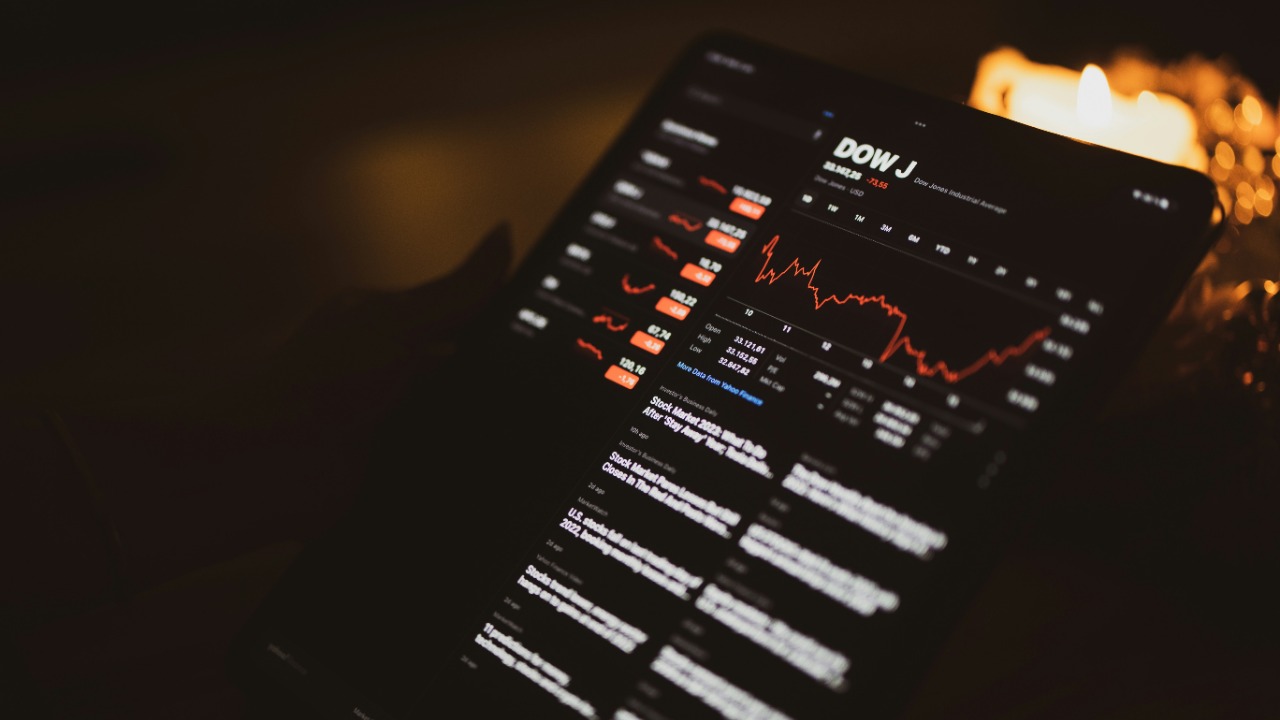
On the screen, the stock has been trading more like a cyclical industrial than a high growth tech story. Recent quotes for Dow Inc DOW on the NYSE show a Close of 27.16, down 0.62 or 2.23%, with a 52 week range between 20.40 and 41.48. Those numbers, pulled through platforms that rely on Google Finance data, underline that shareholders are still pricing Dow as a company wrestling with volatility rather than one that has already reaped the benefits of automation. If the AI strategy works, management will expect that trading range to shift higher.
Workers, communities and the broader AI layoff wave
For employees, the rhetoric about digital transformation is colliding with a harsher reality. Chemical giant Dow has told staff that the 4,500 employees will be let go as it leans on AI and automation, with some facilities also facing separate restructuring plans that could run through 2027. Another report on Dow notes that the company is also evaluating changes at specific Gulf Coast sites that could eliminate an additional 800 jobs, deepening the blow in regions that depend heavily on petrochemical work. When I talk to workers in similar industries, the fear is not just about this round of cuts but about whether any role that can be codified into an algorithm is safe.
Dow is not alone in using AI as partial justification for layoffs. One overview of corporate job cuts points out that, like Dow, Pinterest has reduced 15 percent of its staff while citing increased reliance on automation. A separate roundup of how layoffs are piling up notes that Chemicals maker Dow, Inc announced its 4,500 cuts on a Thursday, alongside other large employers trimming thousands of roles. In that context, Dow’s decision looks less like an outlier and more like a leading indicator of how AI is being used to redraw the social contract inside big companies.
More From TheDailyOverview
*This article was researched with the help of AI, with human editors creating the final content.

Grant Mercer covers market dynamics, business trends, and the economic forces driving growth across industries. His analysis connects macro movements with real-world implications for investors, entrepreneurs, and professionals. Through his work at The Daily Overview, Grant helps readers understand how markets function and where opportunities may emerge.