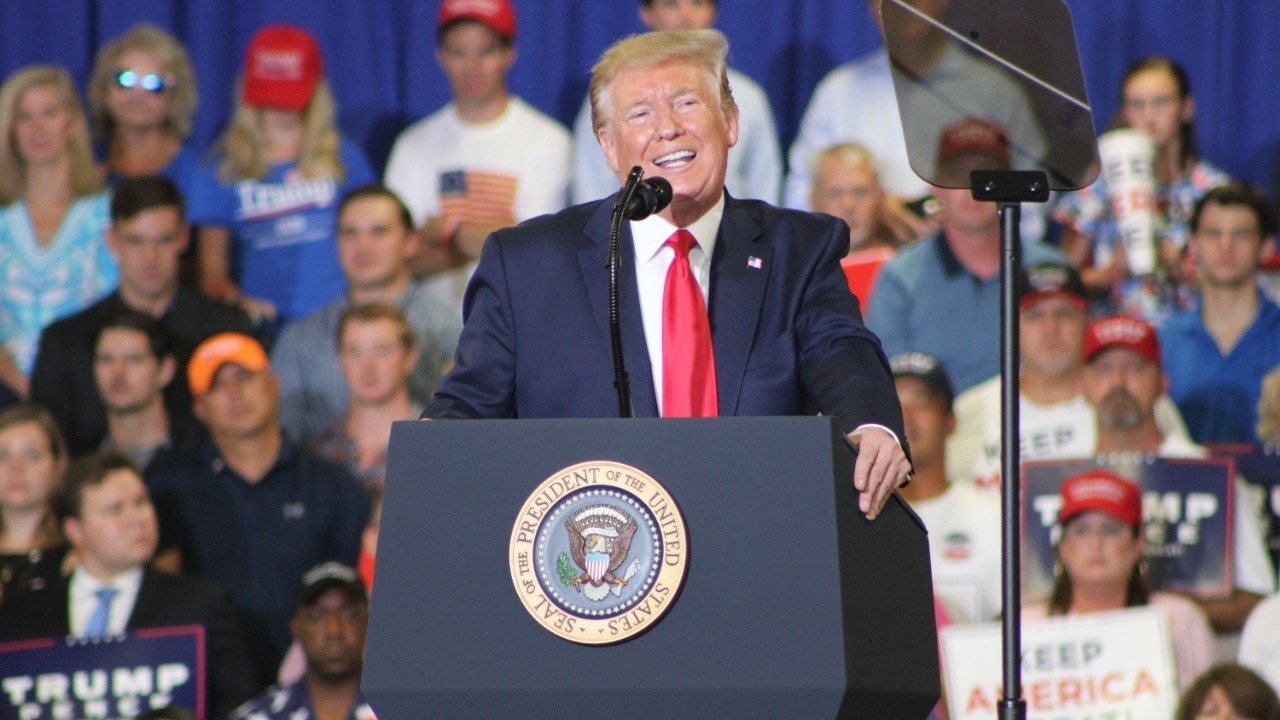
A prominent economist has criticized President Donald Trump for spreading misleading narratives about inflation, arguing that these claims distort public understanding of economic realities. This critique comes amid broader economic scrutiny, including an economist’s dismissal of Trump’s inflation data as “Clearly Wrong.” The backlash is tied to Trump’s tariff policies, which have been linked to increased inflation risks following their imposition on Canada, Mexico, and China earlier this year.
Trump’s Misleading Inflation Rhetoric
President Trump has recently made public statements that downplay inflation trends, attributing low inflation to his policies. However, these assertions contradict available data. In speeches and interviews, Trump has claimed that his administration’s economic strategies have kept inflation in check, despite evidence to the contrary. These statements emerged in the wake of his tariff implementations, which have been criticized for ignoring the rising costs consumers face. On November 13, 2025, economists began to publicly challenge these claims, arguing that they misrepresent the true state of the economy. The initial backlash against Trump’s statements highlights the disconnect between his rhetoric and the economic realities experienced by many Americans.
The context of Trump’s claims is crucial, especially considering the tariffs he imposed on February 1, 2025, on Canada, Mexico, and China. These tariffs were intended to protect American industries but have instead contributed to increased costs for imported goods, directly impacting consumer prices. As a result, the narrative that inflation remains low under Trump’s policies is misleading, as it fails to account for the broader economic impact of these tariffs.
Economist’s Direct Slam on False Claims
The economist’s core argument against Trump’s inflation talk is that it distorts actual economic indicators such as the Consumer Price Index (CPI). By labeling Trump’s inflation data as “Clearly Wrong,” the economist emphasizes the discrepancy between Trump’s claims and the reality reflected in economic measurements. This critique was prominently featured in an economic commentary on November 10, 2025, where the economist’s credentials and platform lent significant weight to the ongoing debate over policy impacts.
The economist’s analysis highlights how Trump’s rhetoric can mislead the public and policymakers, potentially leading to misguided economic decisions. By presenting a false narrative about inflation, Trump’s statements undermine efforts to address the real economic challenges facing the country. The economist’s critique serves as a reminder of the importance of relying on accurate data and analysis when crafting economic policy.
Tariffs as a Driver of Higher Inflation
The tariffs imposed by Trump on February 1, 2025, have played a significant role in elevating inflation risks. These tariffs targeted imports from Canada, Mexico, and China, leading to increased costs for a wide range of goods. As reported by PBS, the tariffs were intended to protect American industries but have instead contributed to rising consumer prices.
By August 12, 2025, inflation had ticked higher, with specific references to CPI data and analyses from Goldman Sachs. According to Politico, these tariffs have directly contradicted Trump’s assertions of low inflation, as they have increased costs for imported goods. The broader mechanics of tariffs, which involve higher prices for consumers, challenge the narrative that Trump’s policies have kept inflation in check.
Expert Analysis from Paul Krugman
Economist Paul Krugman has also weighed in on the inflationary effects of Trump’s tariffs. In a discussion on August 7, 2025, Krugman outlined how these tariffs exacerbate price pressures on everyday items. His insights provide evidence-based counterpoints to Trump’s narrative, reinforcing the consensus among economists that the tariffs have contributed to rising inflation. As reported by NPR, Krugman’s analysis highlights the real-world impact of these policies on consumers.
Krugman’s predictions about the inflationary effects of the tariffs have been borne out by the observed inflation uptick in August 2025. His analysis underscores the importance of considering the broader economic implications of policy decisions, particularly those that affect trade and consumer prices. By providing a clear and evidence-based critique of Trump’s policies, Krugman contributes to the ongoing debate over the administration’s economic strategies.
Related Economic Controversies
In addition to the inflation debate, Trump’s White House bathroom renovation has sparked public fury, as reported in a November 10, 2025, economic weekly summary. This controversy intersects with broader criticisms of fiscal priorities amid rising inflation from tariffs. The timing of these events, as noted in the Sahm Capital roundup, illustrates patterns in Trump’s economic decision-making.
The renovation controversy highlights the disconnect between the administration’s spending priorities and the economic challenges facing many Americans. As inflation continues to rise, driven in part by the tariffs, the public’s frustration with perceived fiscal mismanagement grows. This situation underscores the need for transparent and responsible economic policies that address the real needs of the American people.
More From TheDailyOverview
- Dave Ramsey says these two simple questions show whether you’re rich or poor
- Retired But Want To Work? Try These 18 Jobs for Seniors That Pay Weekly
- IRS raises capital gains thresholds for 2026 and what’s new
- 12 ways to make $5,000 fast that actually work

Grant Mercer covers market dynamics, business trends, and the economic forces driving growth across industries. His analysis connects macro movements with real-world implications for investors, entrepreneurs, and professionals. Through his work at The Daily Overview, Grant helps readers understand how markets function and where opportunities may emerge.

