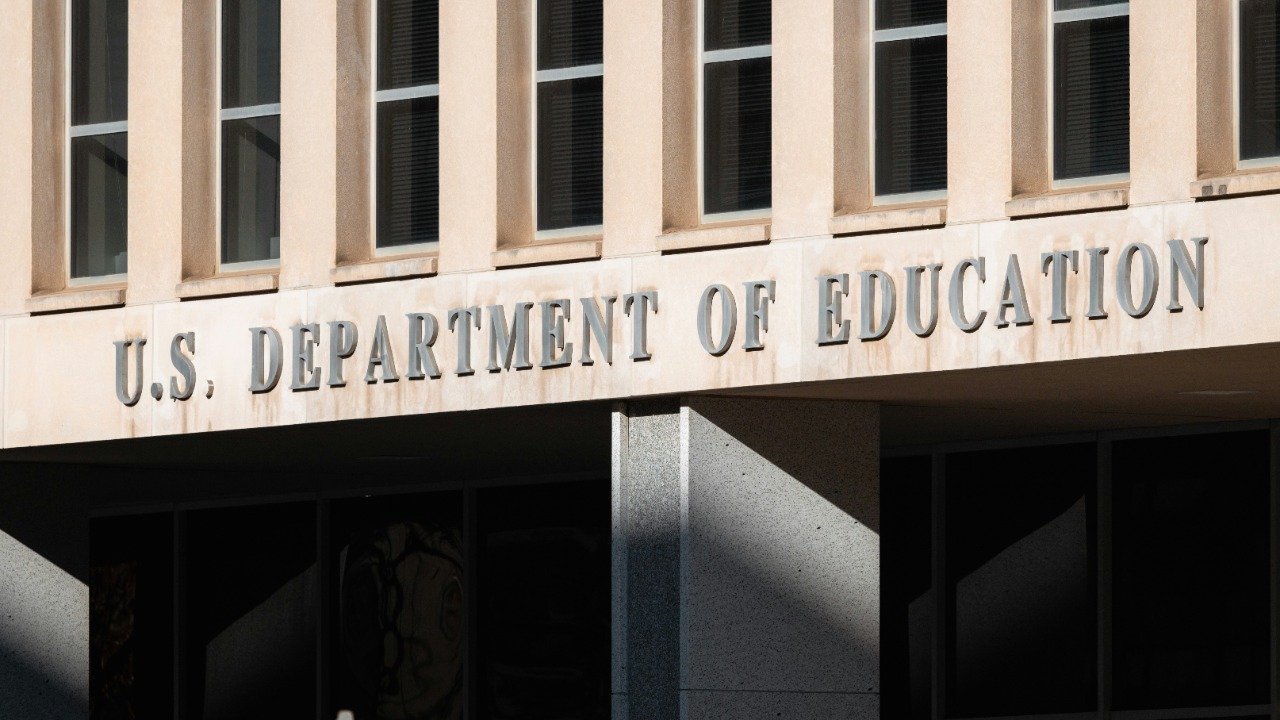
The U.S. Education Department has agreed to resume more student loan cancellations through income-driven repayment (IDR) plans, providing relief to millions of borrowers who have been waiting for forgiveness under these programs. This decision, announced in mid-October 2025, follows an earlier agreement on March 28, 2025, to reopen income-driven loan plans amid ongoing challenges in processing applications. The resumption targets popular payment plans, hailed as a huge win that will enable forgiveness for millions affected by prior pauses in the system.
Details of the Resumption Agreement
The U.S. Education Department’s commitment to resume student loan forgiveness processing under income-driven repayment plans marks a significant step in addressing the backlog caused by earlier halts. This decision is particularly focused on reopening applications for popular payment plans, which are designed to provide relief to borrowers who qualify after 20 or 25 years of payments. The department’s efforts aim to clear the backlog and streamline the process for those who have been waiting for their loans to be forgiven according to The New York Times.
The agreement emphasizes the importance of reopening applications for these plans, which are crucial for borrowers who have been making payments for decades. Eligibility criteria are based on the length of time borrowers have been repaying their loans, with forgiveness available after 20 or 25 years of consistent payments. This move is seen as a critical milestone in restarting cancellations for affected federal loans, as highlighted in the announcement on October 17, 2025 reported by The GW Hatchet.
The timeline of the October 17, 2025, announcement is a key milestone in the effort to restart cancellations for affected federal loans. This development is expected to provide immediate relief to millions of borrowers who have been waiting for their loans to be forgiven, as noted by Forbes.
Historical Context of Income-Driven Plans
The March 28, 2025, agreement by the Education Department to reopen income-driven loan plans was a response to administrative and legal hurdles that had previously paused these programs. These plans are designed to tie monthly payments to a borrower’s income and family size, ultimately leading to loan forgiveness after a qualifying period. This approach aims to make loan repayment more manageable for borrowers, particularly those with lower incomes or larger families as reported by Bloomberg Law.
Income-driven repayment plans have long been a cornerstone of federal student loan relief efforts. By linking payments to income, these plans provide a pathway to forgiveness that is both sustainable and equitable. The buildup to the October 16, 2025, resumption under these plans underscores their role as a core mechanism for long-term relief, ensuring that borrowers are not burdened by unmanageable debt according to The GW Hatchet.
Impact on Borrowers and Scale
The agreement’s reach to millions of borrowers positions it as a significant victory, resuming forgiveness that could erase billions in debt. This development is particularly beneficial for those enrolled in popular payment plans, as it allows for the immediate processing of pending applications as of October 17, 2025. The scale of this initiative highlights the government’s commitment to alleviating the financial burden on borrowers as noted by the Times of India.
Borrowers in popular payment plans stand to benefit significantly from this agreement, with the immediate restart of processing for pending applications. This move is expected to provide much-needed relief to millions of individuals who have been waiting for their loans to be forgiven. The impact of this decision extends beyond individual borrowers, as it also addresses broader economic concerns related to student debt according to Forbes.
Examples of affected groups include public service workers and lower-income families who are eligible under income-driven options. These groups have historically faced significant challenges in managing their student loan debt, and the resumption of forgiveness under these plans provides a crucial lifeline. The decision to resume these programs reflects a broader commitment to supporting vulnerable populations and ensuring equitable access to financial relief as reported by The New York Times.
Next Steps and Ongoing Challenges

Guidance for borrowers on how to check eligibility and apply following the October 18, 2025, updates to the resumption process is crucial for ensuring that individuals can take full advantage of the available relief. Borrowers are encouraged to review the latest information and follow the necessary steps to confirm their eligibility and submit applications. This proactive approach is essential for maximizing the impact of the resumed forgiveness programs according to the Times of India.
Potential delays or requirements tied to the reopened income-driven plans from the March 28, 2025, agreement remain a concern for some borrowers. These challenges highlight the need for continued oversight and support to ensure that the programs operate smoothly and effectively. Addressing these issues is critical for maintaining trust in the system and ensuring that borrowers receive the relief they are entitled to as noted by Bloomberg Law.
The broader implications of the Education Department’s actions include responding to lawsuits and implementing administrative fixes for the popular plans. These efforts are part of a larger strategy to address systemic issues within the student loan system and provide meaningful relief to borrowers. By taking these steps, the department aims to create a more equitable and sustainable framework for managing student debt as reported by The GW Hatchet.

Silas Redman writes about the structure of modern banking, financial regulations, and the rules that govern money movement. His work examines how institutions, policies, and compliance frameworks affect individuals and businesses alike. At The Daily Overview, Silas aims to help readers better understand the systems operating behind everyday financial decisions.

