
In today’s economy, many consumers are reevaluating their spending habits, leading to a noticeable shift in what people are willing to pay for. From streaming services to traditional cable TV, and even gym memberships, individuals are cutting back on expenses that no longer fit their budget or lifestyle. This trend reflects a broader movement towards financial prudence and a rejection of unnecessary costs.
1. Streaming Service Subscriptions
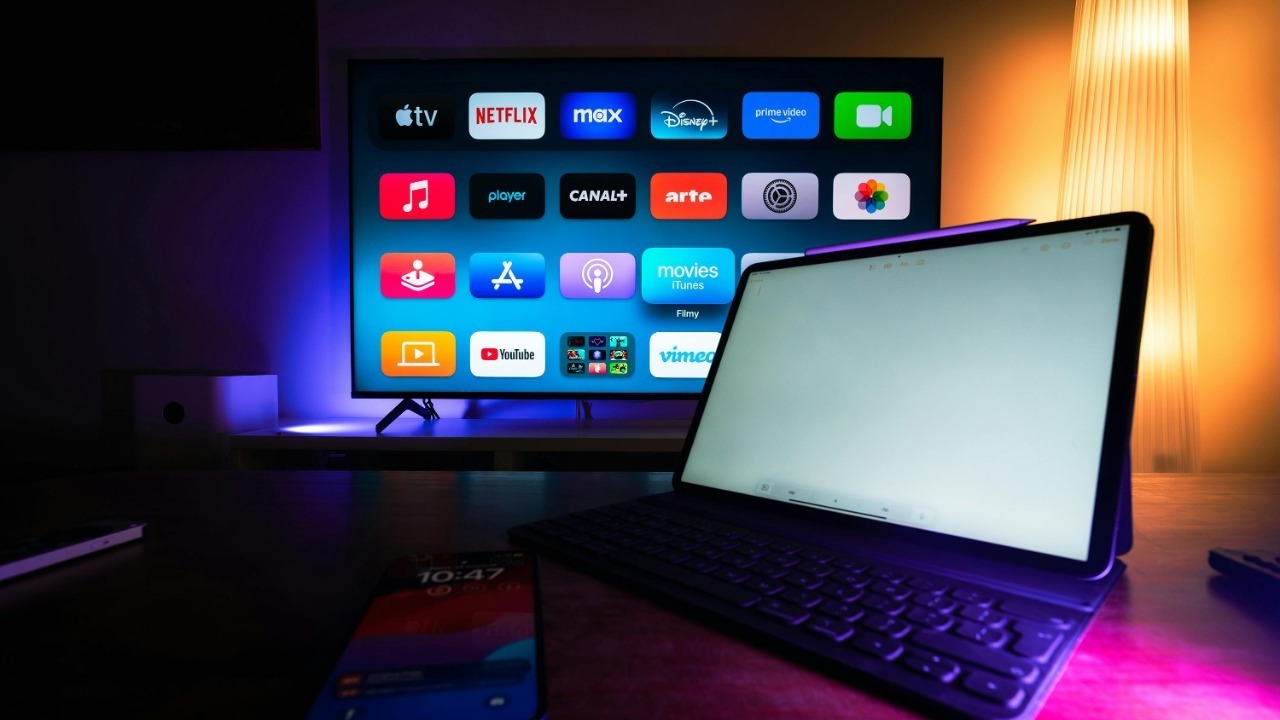
Streaming services have become a staple in many households, but rising costs are prompting consumers to reconsider their subscriptions. In 2023, 42% of U.S. consumers canceled at least one streaming service, with Netflix alone losing 200,000 subscribers in the U.S. and Canada during the first quarter of the year. This shift highlights a growing reluctance to pay for multiple streaming platforms, especially as prices continue to climb according to CNBC.
The decision to cut back on streaming services is often driven by the availability of cheaper or free alternatives, such as ad-supported platforms or shared accounts. As consumers become more selective, streaming companies may need to rethink their pricing strategies to retain subscribers. This trend also underscores a broader move towards prioritizing essential expenses over discretionary spending.
2. Traditional Cable TV Packages

The decline of traditional cable TV packages is another significant trend, with a 2024 survey by LendingTree revealing that 37% of Americans have ditched their cable subscriptions. These packages, which average $217 per month, are being replaced by more affordable streaming options. This shift is part of a larger cord-cutting movement that has been gaining momentum in recent years as reported by LendingTree.
Consumers are increasingly unwilling to pay for channels they don’t watch, opting instead for customizable streaming services that offer greater flexibility and value. This trend reflects a growing demand for personalized content delivery and a rejection of the one-size-fits-all approach of traditional cable.
3. Gym Memberships

Gym memberships, once a popular expense, are seeing a decline in new sign-ups. In 2023, the International Health, Racquet & Sportsclub Association (IHRSA) reported a 25% drop in new memberships. Many people are unwilling to pay the $50–$100 monthly fees, especially after the pandemic highlighted the convenience and effectiveness of home workouts according to IHRSA.
This trend is also fueled by the availability of online fitness programs and apps that offer affordable and flexible workout options. As more individuals prioritize convenience and cost-effectiveness, traditional gyms may need to adapt by offering hybrid models that combine in-person and virtual experiences.
4. Landline Phone Services

Landline phone services are rapidly becoming obsolete, with 55% of U.S. households canceling their subscriptions in 2022. The average cost of $35 per month is no longer justifiable for many, as mobile-only plans offer greater convenience and functionality. This shift is supported by data from the FCC, which highlights the growing preference for mobile communication as reported by the FCC.
The decline of landlines is part of a broader trend towards digital communication, with consumers favoring the versatility and portability of smartphones. This change reflects a move towards more efficient and cost-effective communication solutions.
5. Physical Newspaper Subscriptions

Physical newspaper subscriptions are on the decline, with a 12% drop in 2023. The New York Times reported having only 8.8 million print subscribers left, as readers increasingly opt for digital alternatives. The $20–$30 monthly fees for print editions are becoming harder to justify in an era where digital news is readily accessible and often free according to The New York Times
This trend highlights the changing landscape of media consumption, where immediacy and accessibility are prioritized. As digital platforms continue to evolve, traditional print media may need to innovate to remain relevant and financially viable.
6. Credit Card Annual Fees

Credit card annual fees are increasingly being rejected by consumers, with a 2024 Bankrate survey showing that 28% of cardholders avoid these fees. The average annual fee of $95 is seen as unnecessary, especially as issuers like Chase and American Express continue to raise their rates according to Bankrate.
Many consumers are opting for no-fee cards that offer competitive rewards and benefits. This shift reflects a growing awareness of financial products and a desire to maximize value without incurring additional costs. Credit card companies may need to reassess their fee structures to retain customers in a competitive market.
7. Lavish Wedding Expenses

Lavish wedding expenses are being scrutinized as couples seek to cut costs. The Knot’s 2023 Real Weddings Study revealed that average wedding costs dropped 7% to $29,000 from $31,000 in 2022. This decline is part of a broader trend where couples are refusing to pay exorbitant vendor fees as reported by The Knot.
With the average cost of a wedding in the U.S. reaching $30,000 in 2023, many are questioning the necessity of extravagant celebrations. Factors such as Trump’s tariffs on the wedding industry have also contributed to financial anxiety among couples, prompting them to seek more affordable options as noted by Yahoo News. This trend suggests a shift towards more meaningful and budget-friendly celebrations.
8. Car Ownership Maintenance

Car ownership maintenance fees are increasingly being rejected, particularly by millennials in urban areas. A 2023 Deloitte survey found that 40% of this demographic is opting out of the $1,200 annual costs associated with car ownership. Instead, they are turning to ridesharing services like Uber, which offer a more flexible and cost-effective alternative according to Deloitte.
This trend reflects a broader shift towards sustainable and convenient transportation solutions. As urban living becomes more prevalent, the need for personal vehicles diminishes, leading to a reevaluation of traditional car ownership models. This change underscores the importance of adapting to evolving consumer preferences in the transportation industry.

Cole Whitaker focuses on the fundamentals of money management, helping readers make smarter decisions around income, spending, saving, and long-term financial stability. His writing emphasizes clarity, discipline, and practical systems that work in real life. At The Daily Overview, Cole breaks down personal finance topics into straightforward guidance readers can apply immediately.
