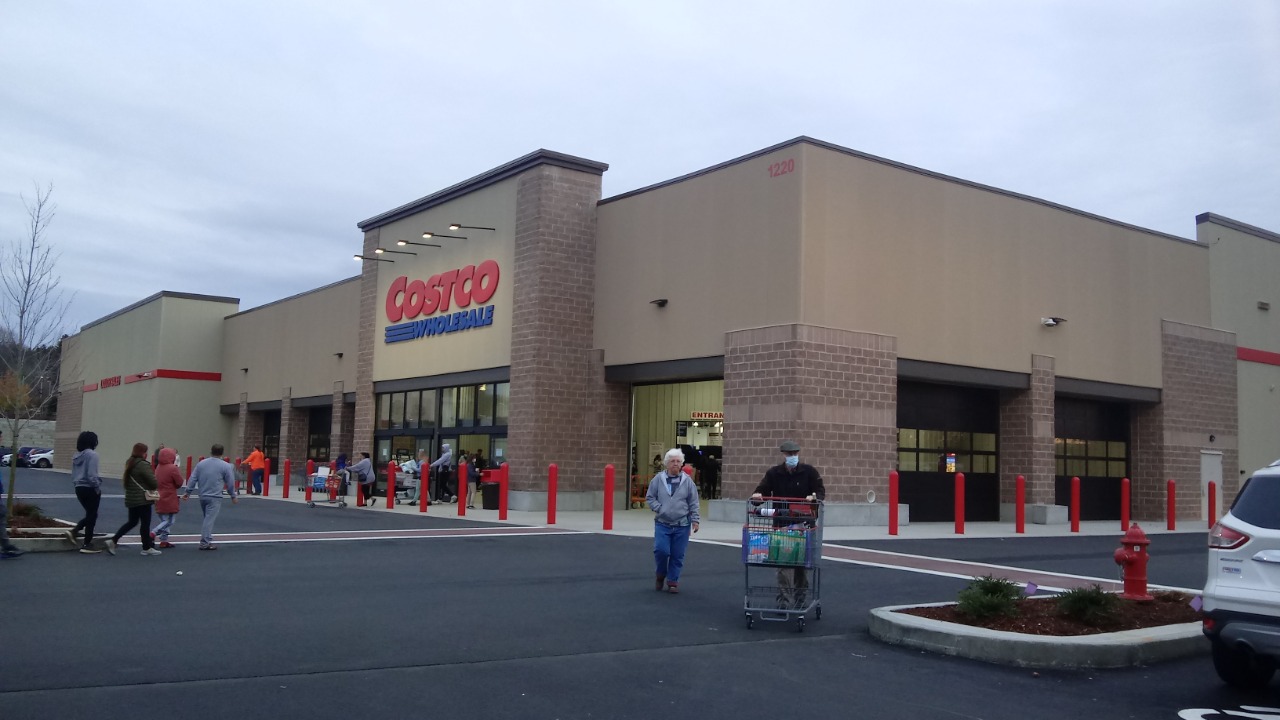
Costco’s famously generous return policy has long been part of the warehouse club’s appeal, but it also creates a quiet feedback loop about what is not working for shoppers. When members start hauling the same products back to the returns counter, it signals where value, quality, or expectations are falling short. In recent months, a handful of categories have emerged as repeat offenders, revealing how quickly loyal customers will push back when a purchase does not live up to the promise of bulk savings.
By looking at patterns in member complaints, store anecdotes, and how Costco itself positions certain items, I see eight types of products that are especially vulnerable to buyer’s remorse. Each reflects a different tension in the Costco model, from changing household sizes to shifting tastes and the limits of buying perishable goods in warehouse quantities.
1. Oversized fresh produce that spoils before families can finish it
The first category I see members quietly abandoning is oversized fresh produce, particularly items like giant clamshells of berries, multi-pound bags of salad greens, and bulk avocados. The math looks irresistible in the aisle, where per-pound prices undercut many traditional supermarkets, but the value evaporates when half the package liquefies in the crisper drawer. For smaller households, or even busy families juggling travel and kids’ schedules, the sheer volume of perishable produce can outpace realistic consumption, turning what seemed like a deal into a weekly guilt trip.
That tension is baked into Costco’s core model of selling in large formats, which is clear the moment you scroll through the fresh food section on the official online warehouse listings. The company leans on multi-pound packs and family-sized containers to deliver its price advantage, but those same formats are unforgiving if storage conditions are less than ideal or if meal planning slips. When members realize they are throwing away a third of a 3-pound box of strawberries or watching a six-count bag of romaine wilt, they often decide the smartest move is to return the item and rethink whether bulk produce fits their actual lifestyle.
2. Bulk bakery and dessert trays that outlast the celebration
Another cluster of quiet returns comes from the bakery, especially oversized cakes, pastry assortments, and dessert trays that seemed perfect for a gathering but linger long after the guests leave. Costco’s sheet cakes, multi-dozen cookie platters, and variety packs of muffins are designed for parties, office events, and school functions, yet real life does not always match the headcount imagined in the aisle. When a birthday party is smaller than expected or a work meeting gets canceled, members are left with more sugar and carbs than anyone wants to keep around, and the temptation to reverse the purchase grows.
Even when the event goes ahead, the quality-versus-quantity tradeoff can drive dissatisfaction. Frosting that tastes too sweet, pastries that dry out quickly, or fillings that feel mass-produced rather than indulgent can make hosts feel they compromised too much in the name of savings. Because Costco’s bakery items are often sold only in large formats, there is no smaller “test” option to try before committing to a full sheet cake or a 24-count pastry box. When the flavor or texture disappoints, members who know the retailer’s flexible policy are more likely to bring back the leftovers and chalk it up as a lesson in not overbuying for the next celebration.
3. Ready-to-eat meals that promise convenience but miss on taste
Prepared foods are supposed to be Costco’s answer to weeknight burnout, yet they are also a growing source of regret-driven returns. Rotisserie chickens, family-sized trays of pasta, enchiladas, and refrigerated meal kits look like time-savers, but they occupy a tricky middle ground between restaurant takeout and home cooking. When the seasoning is bland, the texture turns mushy after reheating, or the portion size feels off for the price, members quickly question whether they actually saved anything compared with ordering from a local restaurant or cooking from scratch.
Because these meals are often purchased on impulse at the end of a long shopping trip, expectations can be especially high. Shoppers imagine a full dinner solution that will stretch across multiple nights, only to discover that the dish does not reheat well or that family members refuse to eat the leftovers. In that scenario, the perceived value collapses, and the friction of returning a half-eaten tray starts to feel justified. Over time, repeated disappointments in this category can push even loyal members to skip the prepared foods case entirely, relying instead on raw ingredients where they feel more control over flavor and waste.
4. Health and wellness supplements that fail to deliver perceived benefits
Costco’s aisles of vitamins, protein powders, and joint-support formulas are another area where I see a steady stream of returns, driven less by obvious defects and more by unmet expectations. Supplements are inherently speculative purchases: buyers hope for more energy, better sleep, or reduced pain, but the results are often subtle, slow, or nonexistent. When a 200-count bottle of capsules or a massive tub of collagen does not produce a noticeable change after several weeks, members start to question the wisdom of buying such a large supply in one shot.
The warehouse format amplifies that doubt because the upfront cost is higher than picking up a small bottle at a drugstore. Even when the per-unit price is attractive, staring at a nearly full container of something that feels ineffective can be frustrating. Costco’s private-label Kirkland Signature line and the national brands it stocks are vetted for quality and safety, yet they cannot guarantee individual outcomes. That gap between clinical assurance and personal experience is where returns flourish, as members decide they would rather reclaim the cash than let an unused supplement gather dust in the pantry.
5. Big-ticket electronics that underwhelm once they are out of the box
Electronics are among the most visible examples of Costco’s return policy in action, particularly televisions, laptops, and sound systems that look impressive on the sales floor but disappoint at home. In the warehouse, bright demo loops and carefully tuned displays can make any screen look vibrant, and bundled deals on streaming devices or extended warranties sweeten the pitch. Once the TV is mounted in a dim living room or the laptop is put through a full workday, issues like motion blur, limited viewing angles, fan noise, or sluggish performance become impossible to ignore.
Because these are high-dollar purchases, buyers are especially sensitive to even minor flaws. A smart TV that struggles with certain apps, a monitor with uneven backlighting, or a soundbar that does not integrate cleanly with existing equipment can all trigger second thoughts. Costco’s relatively generous electronics return window gives members time to live with the device and compare it with alternatives, including models sold directly through the company’s own digital storefront. When the experience falls short of what was promised in the product description or in-store signage, many customers opt to bring the item back and either upgrade or walk away from the category entirely.
6. Seasonal décor and outdoor gear that fails real-world durability tests
Seasonal merchandise, from holiday decorations to patio furniture and outdoor play sets, is another quiet source of returns once the initial excitement wears off. In the store, towering artificial trees, elaborate light displays, and cushioned outdoor sectionals create a sense of aspirational living at a warehouse price. The reality after a few weeks in the elements can be less glamorous: fading fabrics, rust-prone frames, or light strands that flicker or fail before the season is over. When that happens, members are quick to lean on the return counter rather than accept a short-lived purchase.
Outdoor gear like gazebos, grills, and storage sheds faces similar scrutiny. Assembly can be more complex than expected, hardware may be missing, or the finished structure might feel less sturdy than it appeared in the aisle or in online photos. Because these items are often bought ahead of a specific season or event, any disappointment is magnified by the sense of lost time. Instead of wrestling with warranty claims or replacement parts, many Costco shoppers simply disassemble what they can, load it back into a vehicle, and rely on the retailer’s policy to reset the purchase decision.
7. Clothing and footwear that look better under warehouse lighting than at home
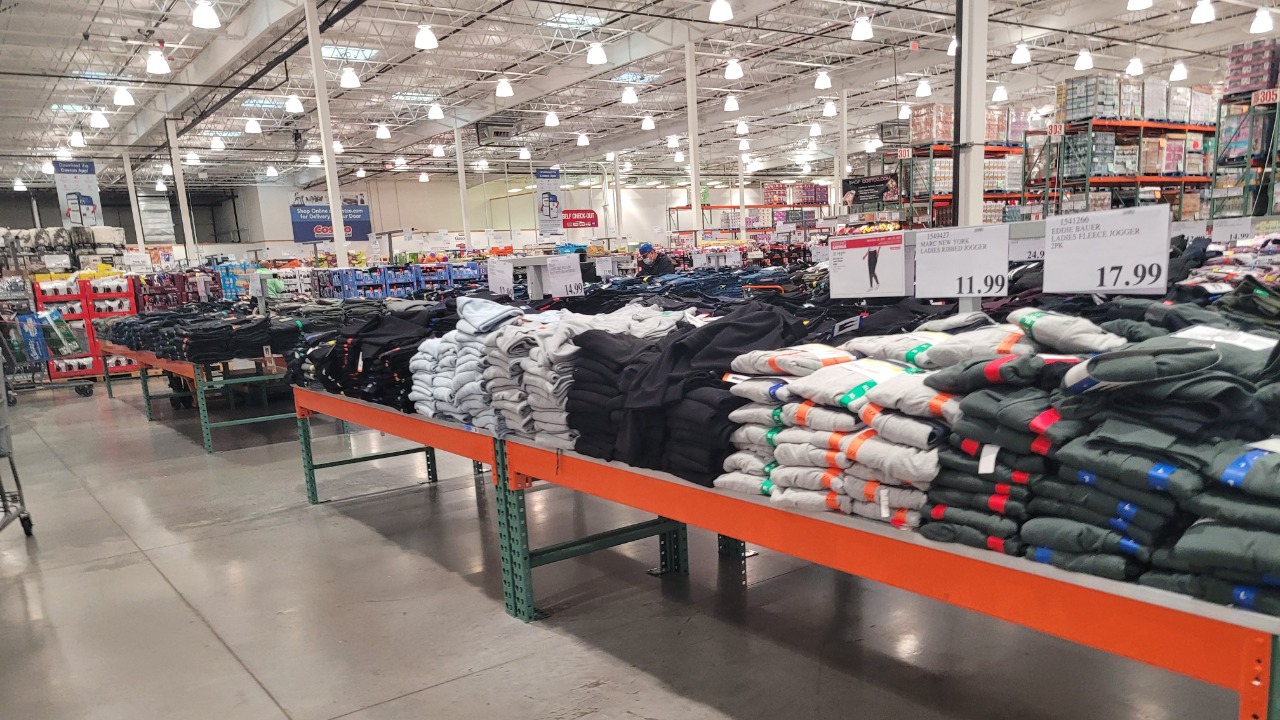
Apparel is one of the most quietly returned categories at Costco, largely because the shopping environment is not designed for careful try-ons. Tables stacked with jeans, leggings, and sweaters, along with pallets of sneakers and boots, encourage quick grabs based on size tags and brand familiarity. Once members get home, they discover that the fit is off, the fabric feels cheaper than expected, or the cut does not flatter as imagined. Without traditional fitting rooms in most warehouse locations, misfires are almost built into the process.
Footwear amplifies these issues, especially when shoppers buy for children who are not present or for adults who assume a standard size will work across brands. A pair of hiking boots that feels stiff after a real walk, running shoes that lack arch support, or sandals that rub in the wrong place can all prompt a return after just a few wears. Costco’s mix of national labels and its own private brands gives members plenty of choice, but it also means sizing and quality can vary widely from one shipment to the next. The result is a steady churn of apparel and shoes moving back through the returns line as customers refine what actually works for their bodies and wardrobes.
8. Household cleaners and personal care items that clash with preferences
The final group of frequently returned items sits in the everyday essentials aisles: bulk cleaners, detergents, and personal care products that seemed like safe bets until they collided with individual preferences. A 2-gallon jug of laundry detergent that leaves a strong scent on clothes, a multi-pack of dish soap that feels harsh on hands, or a case of body wash with a fragrance that lingers too long can all become unwelcome fixtures in a home. Because these products are used daily, any annoyance is magnified, and the idea of working through months’ worth of an unpleasant formula quickly loses appeal.
Personal care items like shampoo, conditioner, and skincare products are even more sensitive. A lotion that triggers breakouts, a shampoo that strips color-treated hair, or a razor cartridge that causes irritation can turn a bulk purchase into an expensive mistake. Members often buy these items on the assumption that a familiar brand will behave the same way it does in smaller retail formats, only to discover that the warehouse-sized version has a slightly different formula or packaging. When that mismatch becomes clear, the path back to the returns desk is short, and shoppers are reminded that even everyday staples can be risky in bulk if they have not been tested in smaller quantities first.
More From TheDailyOverview
- Dave Ramsey warns to stop 401(k) contributions
- 11 night jobs you can do from home (not exciting but steady)
- Small U.S. cities ready to boom next
- 19 things boomers should never sell no matter what

Grant Mercer covers market dynamics, business trends, and the economic forces driving growth across industries. His analysis connects macro movements with real-world implications for investors, entrepreneurs, and professionals. Through his work at The Daily Overview, Grant helps readers understand how markets function and where opportunities may emerge.