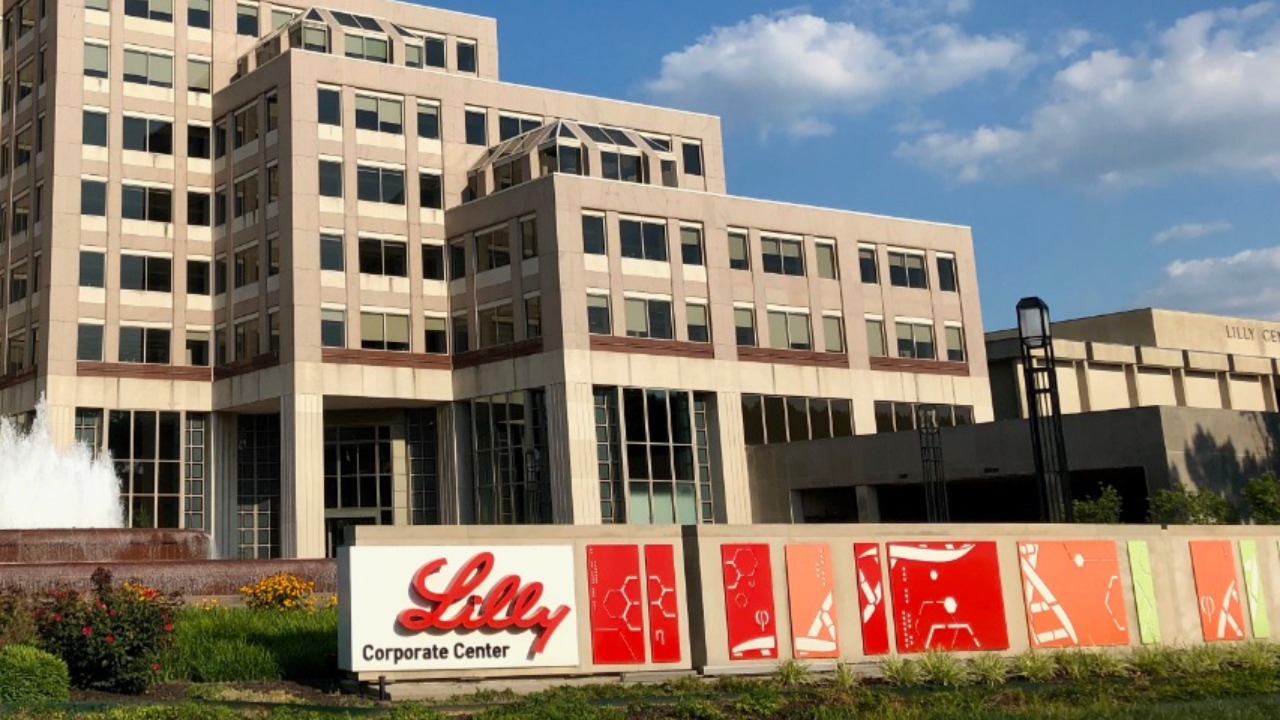
Eli Lilly is cutting what self-paying patients shell out for its blockbuster obesity drug Zepbound when they buy single-dose vials directly through its own online pharmacy. The move reshapes the cash market for GLP-1 weight-loss drugs, tightening pressure on rivals and testing how far manufacturers will go to answer political and public anger over sky-high prices.
By sharply lowering vial prices on its LillyDirect platform, the company is betting that more affordable access can coexist with a premium brand and intense demand. I see this as a pivotal moment in the weight-loss drug race, where pricing strategy is becoming as important as clinical data in deciding who wins.
The new Zepbound vial prices on LillyDirect
The most immediate change for patients is the new cash price for Zepbound vials purchased through Eli Lilly’s direct-to-consumer channel. Single-dose vials of Zepbound bought via the Zepbound Self Pay Journey Program on LillyDirect now carry a sharply reduced sticker price, a shift that is designed to make the drug more attainable for people who do not have coverage or who are stuck fighting prior authorizations. By resetting the baseline cost in its own online storefront, Eli Lilly is effectively creating a parallel price universe that sits alongside traditional pharmacy and insurance channels, but is far more transparent for consumers who are paying out of pocket, as reflected in the updated terms of the Zepbound Self Pay Journey Program.
For self-pay users, the key detail is that Eli Lilly has reduced Zepbound vial prices specifically for those buying through LillyDirect, a change the company is framing as part of a broader effort to lower obesity treatment barriers. The company’s own description of the initiative notes that Eli Lilly cut the price of Zepbound single-dose vials for self-paying patients via LillyDirect, positioning the program as a targeted affordability tool rather than a universal list-price reset. That distinction matters, because it means the most generous discounts are reserved for people who are willing to navigate the manufacturer’s direct channel, a strategy that is clearly spelled out in the Key Takeaways of the new pricing program.
How much patients now pay per month
For patients trying to budget, the headline number is what a month of treatment costs under the new structure. Eli Lilly has already been signaling a willingness to bring down the effective monthly price of Zepbound, and the latest cuts align with that trajectory. In the broader GLP-1 market, Zepbound is now being positioned around $299 per mon for certain self-pay offers, a figure that stands out in a category where list prices have often hovered far higher. That $299 benchmark, cited in coverage of Eli Lilly’s latest move, underscores how aggressively the company is leaning into price as a competitive lever, especially as it responds to rival offers and political scrutiny, with reports noting that Zepbound is now available at $299 in some direct-pay contexts tied to the company’s evolving discount strategy, as detailed in analyses of $299 per mon pricing.
Drilling down into the vial-specific offers, the company has also laid out clear four-week package prices that translate into more digestible per-vial math. A four-week supply of 2.5-milligram vials is now listed at $399, which works out to less than $100 per vial, effectively pegging the per-unit cost at about $100 per vial for the starting dose. Higher strengths carry their own four-week price points, but the 2.5-milligram tier is crucial because it is where most patients begin therapy and where sticker shock can either derail or sustain adherence. By explicitly advertising that a starter pack of 2.5-milligram vials is $399 and that the per-vial cost is under $100, Eli Lilly is sending a signal that it understands the psychological power of round numbers like $100 and is willing to meet patients closer to that threshold, as laid out in the company’s explanation of the $399 starter package.
Why Eli Lilly is cutting prices now
The timing of Eli Lilly’s latest price cuts is not accidental. The company is operating in a political and competitive environment where high drug prices have become a lightning rod, and Zepbound, as a blockbuster obesity treatment, sits squarely in that crosshairs. Reporting has tied the company’s decision to lower Zepbound prices to a broader agreement with President Donald Trump’s administration, with coverage noting that Eli Lilly Lowers Weight, Loss Drug Zepbound Prices After Trump Deal, a development that underscores how policy pressure and direct negotiations can shape pricing decisions. In that context, the move is not just a marketing tactic, it is a response to a negotiated framework that has pushed manufacturers like Eli Lilly to show tangible concessions on high-profile drugs, a dynamic highlighted in the account by Ty Roush, a Forbes Staff writer, who reported on how Ty Roush described the Trump-linked price shift.
At the same time, Eli Lilly is facing intense commercial pressure from Novo and other GLP-1 competitors that have been rolling out their own discounts and access programs. Analysts have pointed out that Eli Lilly’s latest cuts follow a pattern of price moves that track closely with rival offers, including Novo’s own discount strategies in the obesity space. The fact that coverage explicitly frames the new Zepbound pricing as a response to Novo discounts and the TrumpRx deal shows how intertwined political deals and market rivalry have become in this category. In my view, Eli Lilly is trying to avoid being cast as the outlier on price while still preserving the perception that Zepbound is a premium, high-value therapy, a balancing act that is evident in reports that describe how Eli Lilly is dropping prices again after Novo discounts and the TrumpRx deal.
How the cuts fit into Eli Lilly’s access push
Eli Lilly has been steadily reframing Zepbound not just as a blockbuster but as a cornerstone of its public health narrative, and the latest price cuts fit squarely into that strategy. The company has already lowered Zepbound prices multiple times, and recent coverage notes that Eli Lilly trims Zepbound price amid access push, signaling that these are not one-off gestures but part of a sustained campaign to show that the manufacturer is listening to concerns about affordability. When a company repeatedly emphasizes “access” in connection with pricing moves, it is effectively acknowledging that the original price architecture left too many patients on the sidelines, a reality that Eli Lilly appears to be addressing through its evolving Zepbound offers, as captured in reports that Eli Lilly trims Zepbound price amid an access push.
The LillyDirect strategy is central to that access narrative. By routing self-pay discounts through its own online pharmacy, Eli Lilly can control the patient experience, gather data, and present itself as a partner in long-term weight management rather than a distant manufacturer. The company has explicitly framed the reduction in Zepbound vial prices for self-paying patients via LillyDirect as a way to lower obesity treatment barriers, and that framing matters because it positions the program as a quasi-public health initiative rather than a pure sales channel. I see this as a hybrid model, where commercial and access goals are intertwined, and where the company’s own language about reducing Zepbound vial prices for self-pay patients via LillyDirect, highlighted in the Eli Lilly description of the program, is designed to resonate with policymakers as much as with patients.
What this means for uninsured and self-pay patients
For people without robust insurance coverage, the new pricing structure is more than a headline, it is a potential gateway to a therapy that had previously been out of reach. Self-pay patients are often the ones facing the harshest trade-offs, choosing between rent, groceries, and a monthly injection that can cost hundreds or even thousands of dollars. By cutting the cash price of Zepbound vials on its direct-to-consumer site, Eli Lilly is effectively creating a new floor for what uninsured patients might expect to pay, at least if they are willing to engage with the LillyDirect ecosystem. Reports on the company’s move emphasize that Eli Lilly cuts cash prices of Zepbound weight loss drug vials on its direct-to-consumer site, a detail that underscores how central the DTC channel has become to the company’s affordability pitch for Zepbound.
That said, lower cash prices do not automatically translate into universal access. Self-pay discounts on LillyDirect still require patients to navigate online enrollment, understand eligibility rules, and front the remaining out-of-pocket cost, which can still be substantial for lower-income households. The company’s framing of the program as a self-pay journey acknowledges that this is a path, not a one-click solution. In my view, the real test will be whether community clinics, obesity specialists, and primary care physicians feel comfortable steering uninsured patients toward these offers, and whether the combination of reduced vial prices and structured programs like the Zepbound Self Pay Journey Program can meaningfully narrow the gap between those who can afford long-term treatment and those who cannot, a gap that the new Single-dose vial pricing is explicitly trying to address.
How the new vials compare with earlier Zepbound pricing
To understand the significance of the latest cuts, it helps to look at where Zepbound pricing started. Earlier offers for single-dose vials on LillyDirect carried higher cash prices, and coverage has noted that the new self-pay prices represent a clear reduction from their previous levels on the platform. In other words, Eli Lilly is not just introducing a new product configuration, it is explicitly lowering what it charges for the same single-dose vials that were already available, a point that is underscored in reporting that Lilly lowers self-pay prices of single-dose Zepbound vials from their previous prices on LillyDirect, a shift that marks a concrete departure from the original pricing baseline for these single-dose products.
Traditional retail pricing for Zepbound has also been significantly higher than the new LillyDirect offers, especially for higher-dose vials. Coverage of the company’s broader price cuts has pointed out that Eli Lilly slashed prices of its blockbuster weight loss drug Zepbound, including higher-dosage vials that had previously been priced at $499. That $499 figure for higher-dosage vials serves as a useful reference point for gauging how far the company has moved on price, particularly when contrasted with the sub-$100 per vial math now being advertised for the 2.5-milligram starter dose. The fact that Eli Lilly is willing to move from a world where a higher-dosage vial was $499 to one where starter vials are effectively pegged at about $100 suggests a deliberate recalibration of what the market will bear, a recalibration that is clearly documented in reports that note how the price of higher-dosage vials was $499 before the latest cuts.
The role of multidose pens and future pricing
While the current focus is on single-dose vials, Eli Lilly is already signaling that multidose pens will be a key part of its long-term Zepbound strategy. Once the approval is secured, the multidose pens are expected to be available via the LillyDirect online pharmacy platform at a defined cash price point, which will give patients another option beyond the single-use vials. The company has indicated that these multidose pens will be positioned as a convenient alternative that could simplify dosing and potentially offer a different value proposition, especially for patients who have stabilized on a maintenance dose and are looking for a more streamlined regimen, a future scenario that is outlined in reports noting that Once the approval is secured, the multidose pens will be available via the LillyDirect online pharmacy platform for a set cash price, as described in the discussion of how Once the pens are cleared they will join the existing vial offers.
The starting dose for Zepbound in pen form is also being carefully calibrated. The 2.5-mg starting dose has been highlighted as a key entry point for patients, and Eli Lilly has suggested that the multidose pens will be priced in a way that aligns with the company’s broader access goals. By tying the 2.5-mg starting dose in pens to a clear cash price on LillyDirect, the company can maintain consistency between vial and pen offerings while still giving patients and prescribers flexibility in how therapy is delivered. In my view, the eventual rollout of multidose pens at a defined price for the 2.5-mg starting dose will be a critical test of whether Eli Lilly intends to keep its access narrative front and center or whether the current vial discounts are a temporary response to political and competitive pressure, a tension that is already visible in the company’s description of how the 2.5-mg starting dose will be handled The 2.5-mg starting dose in future pen offerings.
Competitive pressure from Novo and the GLP-1 race
Eli Lilly’s pricing moves cannot be separated from the broader GLP-1 arms race, where Novo and other players are vying for dominance in both diabetes and obesity. Novo’s own discount programs and list-price adjustments have raised the stakes, forcing Eli Lilly to respond or risk being painted as the holdout on affordability. Reports explicitly link Eli Lilly’s latest Zepbound cuts to Novo’s earlier discounts, noting that Eli Lilly drops weight loss drug price again following Novo discounts and the TrumpRx deal, a framing that makes clear this is a competitive chess match as much as a policy response. In that sense, the new LillyDirect vial prices are not just about helping patients, they are also about ensuring that Zepbound remains a compelling option in a market where Novo has already shown a willingness to move on price, a dynamic captured in coverage that ties Eli Lilly’s actions directly to Eli Lilly reacting to Novo’s moves.
In my view, this competitive pressure is likely to keep downward momentum on cash prices, at least in the self-pay segment. As more manufacturers roll out direct-to-consumer platforms and targeted discount programs, patients may start to expect that high-profile obesity drugs come with some form of manufacturer-backed affordability pathway. That expectation, once entrenched, will be hard for any company to walk back. Eli Lilly’s decision to cut Zepbound vial prices on LillyDirect, in the shadow of Novo’s own discounts, suggests that the GLP-1 race is entering a phase where access programs and pricing transparency are as central to brand identity as clinical outcomes, and where companies like Eli Lilly and Novo are effectively competing not just on efficacy but on who can tell the most convincing story about affordability in a market that has long been defined by high list prices.
What to watch next in Zepbound’s pricing story
The latest cuts to Zepbound vial prices on LillyDirect are unlikely to be the final word on how this drug is priced. I will be watching closely to see whether Eli Lilly extends similar discounts beyond its own platform, either through broader pharmacy partnerships or through negotiated deals with insurers and pharmacy benefit managers. The company’s willingness to repeatedly lower Zepbound prices, as seen in reports that Eli Lilly trims Zepbound price amid access push and that Eli Lilly cuts price for popular weight loss drug Zepbound, suggests that management understands both the political and commercial value of being seen as responsive on cost. The fact that coverage notes Eli Lilly cuts price for popular weight loss drug Zepbound and that the company made those cuts on a Monday in Dec underscores how carefully timed and choreographed these announcements have become, as reflected in accounts that describe how Monday, Dec brought a fresh round of price changes.
Another key variable will be how patients and prescribers respond to the evolving mix of vials, pens, and self-pay programs. If uptake through LillyDirect surges, it could validate the direct-to-consumer model as a durable channel for high-cost specialty drugs, potentially encouraging other manufacturers to follow suit. If, on the other hand, the complexity of navigating manufacturer portals and eligibility rules proves too burdensome, pressure may grow for more straightforward across-the-board list-price cuts or for policy interventions that standardize access. For now, what is clear is that Eli Lilly has moved decisively to cut Zepbound vial prices on its own site, that it has tied those cuts to both political and competitive dynamics, and that the company is positioning these changes as part of a broader access push that will continue to evolve as the GLP-1 market matures and as scrutiny of obesity drug pricing intensifies.
More From TheDailyOverview
- Tennessee loses $2.6B megafactory and faces major layoffs
- Retired But Want To Work? Try These 18 Jobs for Seniors That Pay Weekly
- What to do with your pennies after the U.S. stops minting them
- Home Depot CEO warns of a troubling customer trend in stores

Grant Mercer covers market dynamics, business trends, and the economic forces driving growth across industries. His analysis connects macro movements with real-world implications for investors, entrepreneurs, and professionals. Through his work at The Daily Overview, Grant helps readers understand how markets function and where opportunities may emerge.