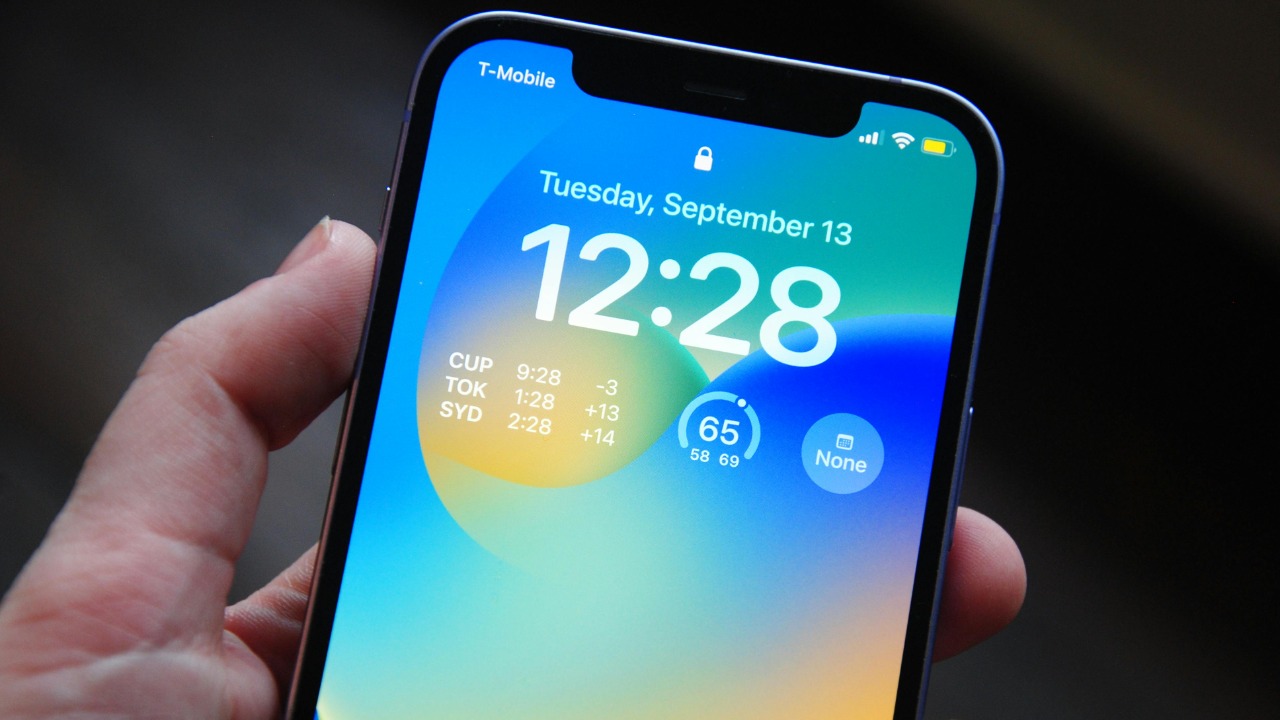
T-Mobile has opened its Starlink-powered satellite texting beta to all U.S. wireless customers, including those on AT&T and Verizon, at no charge through July 2025. The move is a calculated attempt to use a free trial as a customer acquisition tool, betting that once rival subscribers experience satellite connectivity in dead zones, they will be more likely to switch carriers. With commercial pricing already outlined for the post-beta period, the carrier is treating satellite messaging not as a niche add-on but as a competitive weapon.
Free Satellite Texts for Everyone, Even Rivals
The beta program lets anyone with a compatible phone send and receive text messages through SpaceX’s Starlink satellite constellation in areas where no cell tower reaches. T-Mobile is not requiring participants to change plans or sign up for a new account. In its own announcement, the company describes the program as available to customers on any carrier, a deliberate choice that turns the free trial into a sampling campaign aimed squarely at subscribers who currently pay competitors. By removing nearly every barrier to entry, T-Mobile is essentially handing AT&T and Verizon customers a risk-free way to test a feature that only T-Mobile plans to bundle widely.
The strategic logic is straightforward. Dead zones frustrate millions of wireless users, especially in rural corridors, hiking trails, and stretches of highway where traditional towers cannot reach. Letting those users try satellite texting for free creates a direct experience gap: once the beta ends, only T-Mobile subscribers on certain plans will keep the service without paying extra. That asymmetry is the entire point. The carrier is manufacturing a moment where rival customers feel the loss of a capability they briefly enjoyed, and the easiest way to get it back is to switch. If even a small percentage of trial users convert, the customer lifetime value could easily outweigh the cost of running the beta at scale.
Post-Beta Pricing and Plan Details
T-Mobile has already mapped out what happens after the free period expires. The satellite messaging service, branded T-Satellite, will be automatically included at no extra charge on its Experience Beyond and Go5G Next plans, which are positioned as premium tiers. According to the company’s satellite support documentation, customers on other eligible plans will be able to add the feature as a paid option through their account settings, and they can cancel or opt out at any time. That flexibility is meant to lower the perceived risk of trying the service once it transitions from free to paid.
The pricing structure reveals a tiered retention strategy. Premium plan holders get satellite texting baked in, giving T-Mobile a fresh talking point when marketing its highest-revenue offerings. For subscribers on legacy or lower-cost plans, the add-on path creates an upsell opportunity without forcing an immediate plan migration. Both approaches funnel users toward deeper engagement with T-Mobile’s ecosystem while minimizing friction: unlike some competing satellite features that require specific new hardware, T-Satellite is designed to work on a broad range of modern smartphones. The bet is that a modest monthly fee or an included perk on a higher-tier plan will feel reasonable compared with the peace of mind of having connectivity in places where phones typically fail.
CEO Sievert Ties Trial Demand to Final Pricing
CEO Mike Sievert has explicitly linked the free beta’s reception to the commercial pricing that will kick in after July 2025. In comments reported by industry outlet Via Satellite, Sievert indicated that demand during the trial period directly influenced the final launch pricing, with T-Mobile cutting the cost of its Starlink-powered messaging service ahead of its expected start. That sequence matters: it suggests T-Mobile used the beta not just as a marketing stunt, but as a live pricing experiment, watching how often people used the feature and how they reacted before locking in what they would eventually charge.
Sievert’s framing also underscores how aggressively T-Mobile views satellite messaging as a competitive lever. Rather than pitching the service primarily as a loyalty benefit for existing subscribers, he has positioned it as an acquisition tool designed to lure customers away from AT&T and Verizon. That is an unusually direct posture for a CEO discussing a new network capability, and it helps explain why the company was willing to extend the beta to rival subscribers for months. By treating satellite connectivity as a wedge issue in the broader wireless market, T-Mobile is signaling that it believes coverage in dead zones can finally move the needle in a business where urban and suburban service is already largely commoditized.
Why Free Trials Can Backfire
The risk in T-Mobile’s approach is that free trials can set expectations that paid products struggle to meet. During the beta, satellite texting costs nothing and carries no commitment, so users are inclined to view any successful message from a remote area as a pleasant bonus. Once the service becomes a paid add-on or a perk locked to specific plans, that framing flips: people start asking whether the feature is worth a recurring charge or the hassle of changing carriers. If many trial participants decide they rarely need satellite connectivity in practice, they may walk away satisfied with the experiment but unwilling to pay, leaving T-Mobile with high engagement metrics but limited conversion.
There is also a coverage perception problem baked into the technology itself. Satellite texting is designed to kick in only when no terrestrial cell signal is available, which means it will remain dormant for the vast majority of a typical user’s day. If beta participants spend most of their time in cities and suburbs, they may never see the feature activate outside of contrived tests. That can undercut the sense of value, especially compared with more visible perks like faster data or bundled streaming subscriptions. T-Mobile’s marketing challenge is to convince customers that the handful of moments when satellite connectivity matters, such as an emergency on a back road or a hiking trail mishap, are significant enough to justify an ongoing cost or a carrier switch.
What Changes for Wireless Customers
For AT&T and Verizon subscribers, the immediate takeaway is straightforward: they can test satellite texting right now without changing carriers, plans, or phone numbers. All they need is a compatible device and enrollment in the beta, which runs through July 2025. That timing is not accidental. By stretching the free period across the summer travel season, when people are more likely to drive through rural corridors, visit national parks, or head into the backcountry, T-Mobile maximizes the odds that trial users will encounter a dead zone where satellite messaging proves useful. If that experience leaves a strong impression, it may surface months later when those customers consider renewing or renegotiating their existing wireless contracts.
For existing T-Mobile customers, the calculus depends heavily on plan tier. Those already on Experience Beyond or Go5G Next will see T-Satellite folded into their service automatically once the commercial phase begins, adding a tangible safety-net feature without any extra steps or charges. Subscribers on other plans face a decision point: pay to add T-Satellite on top of their current service or upgrade to a premium plan where it is included by default. Either path nudges them toward higher monthly spending, but the company has tried to soften the push by allowing easy opt-outs and by emphasizing that the feature is meant as a backup rather than a daily necessity. The default inclusion on top plans means many users will keep the service passively, discovering its value only when they stray beyond the reach of traditional towers.
If T-Mobile’s gamble pays off, satellite texting could become a new baseline expectation in the U.S. wireless market, much like nationwide roaming or hotspot data did in earlier eras. Rivals would then face pressure to strike their own satellite deals or risk being painted as less reliable outside urban cores. If it fails, the episode will serve as a cautionary tale about the limits of free trials and the challenge of monetizing features that matter intensely in rare moments and not at all the rest of the time. For now, though, the company is betting that a season of free connectivity from space will be enough to make some customers rethink who they pay for service on the ground.
More From The Daily Overview
*This article was researched with the help of AI, with human editors creating the final content.

Grant Mercer covers market dynamics, business trends, and the economic forces driving growth across industries. His analysis connects macro movements with real-world implications for investors, entrepreneurs, and professionals. Through his work at The Daily Overview, Grant helps readers understand how markets function and where opportunities may emerge.

