Elon Musk is reshaping how Tesla drivers pay for advanced driver assistance, scrapping the familiar Autopilot bundle and steering customers toward a pricier, subscription‑based future. Full Self‑Driving (Supervised) is shifting to a subscription‑only model, while core features like lane centering are being moved behind a monthly paywall, turning what used to be standard equipment into a recurring charge.
The move marks a decisive break from Tesla’s earlier promise that early adopters could “own” increasingly capable automation outright. Instead, Musk is signaling that as the software improves, the cost of accessing it will climb, leaving current and prospective owners to navigate a new landscape of fees, trade‑offs, and unanswered safety questions.
The end of Autopilot as a standard feature
Tesla is dismantling the idea that every new car comes with a baseline of advanced driver assistance included in the sticker price. The company is discontinuing its basic driver‑assistance system, Autopilot, with reporting that Tesla has pulled the plug on the package that once bundled traffic‑aware cruise control and lane keeping as standard. A separate breakdown of Key Points notes that Tesla will discontinue Basic Autopilot as standard on new Model 3 and Model Y vehicles in North America, ending the era when those cars shipped with lane keeping and adaptive cruise at no extra cost. For buyers who had come to see Autopilot as part of the Tesla identity, the change is more than a feature shuffle, it is a redefinition of what “base” means.
The shift is not just about removing a nameplate, it is about rerouting customers into a more expensive software funnel. With Autopilot gone, drivers who want the car to steer within a lane or manage speed in traffic are being nudged toward Full Self‑Driving (Supervised), which is now the primary path to those capabilities. Coverage of the change makes clear that Tesla is discontinuing Autopilot in a bid to boost adoption of its Full Self‑Driving software, explicitly tying the removal of the basic system to a push for higher tier subscriptions. That strategy turns what used to be a default safety and convenience layer into an upsell, with implications for both household budgets and expectations of what a modern EV should include.
Full Self‑Driving goes subscription‑only
At the same time, Tesla is closing the door on buying Full Self‑Driving (Supervised) outright. The company has said it will sell its advanced system only as a subscription starting in mid‑February, with owners given a limited window to pay a one‑time fee before that option disappears. Reporting on the change notes that Tesla will move Full Self‑Driving (Supervised) to subscription‑only, replacing the previous structure that allowed a permanent unlock. Another analysis of the new decision tree for buyers explains that, in early 2026, deciding whether to pay for Tesla Full Self is no longer a simple buy‑once choice, especially in regions where approvals are still pending.
For now, the subscription is priced at $99 per month, while customers can still buy FSD outright for $8,000 until February 14, after which the one‑time purchase disappears. Another report notes that the one‑time FSD purchase will no longer be available as One FSD option, a change that may reduce the value proposition for owners who keep their cars for many years. In practice, that means the longer a driver wants access to the software, the more they will pay over time, especially if subscription prices rise.
Musk’s warning that $99 is just the starting point
Elon Musk is not hiding the fact that the current subscription price is likely to climb. He has said that Tesla’s Full Self‑Driving subscription prices will go up as the software improves, framing the current rate as a discount relative to the future value he expects the system to deliver. One report on his comments notes that Elon Musk said Tesla’s Full Self Driving subscription prices would increase as Tesla kills Autopilot, linking the removal of the basic system to a more aggressive pricing strategy for the premium tier. Another account of the same remarks underscores that Elon Musk says subscription prices for Full Self Driving mode are going up as Tesla kills Autopilot, and that the subscription‑only model will be available from February 14.
Musk has also tied pricing to his long‑stated vision of cars that can drive themselves without human oversight. In a separate discussion of robotaxis and future capabilities, he said that “the massive value jump is when you can be on your phone or sleeping for the entire ride (unsupervised FSD),” a line that underscores how much more he believes the software will be worth once it no longer needs constant driver supervision. That quote appears in coverage of FSD, which also notes that Tesla’s website still describes the current system as requiring a safety monitor in the vehicle. Another report on the pricing shift points out that the service is currently offered at $99 per month and repeats Musk’s description of the $99 M supervised tier as “low” given his expectations for future autonomy, while warning that prices will increase year‑over‑year.
Lane centering and everyday safety move behind a paywall
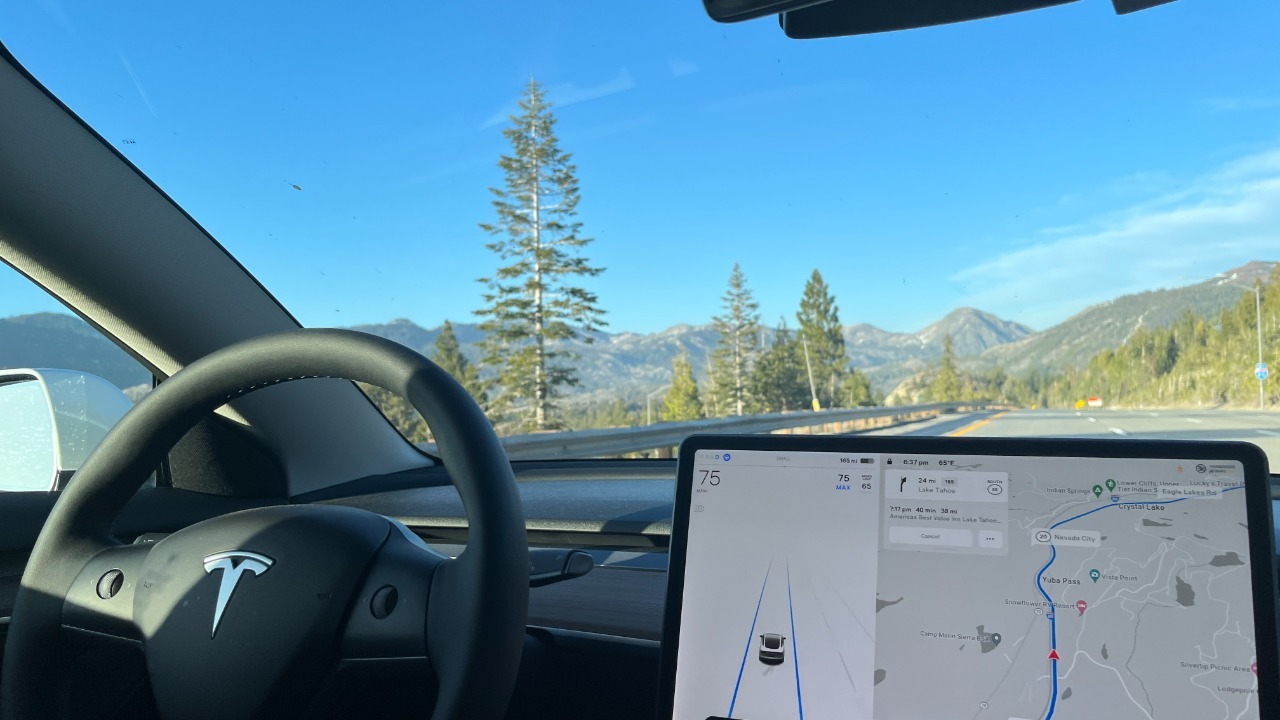
For many drivers, the most tangible impact of these changes will not be robotaxis but the loss of everyday assistance features they had come to rely on. Tesla is now paywalling lane centering on new Model 3 and Model Y purchases, meaning that a feature that used to be part of Basic Autopilot will require a subscription to access. Reporting on the change explains that After February 14, buyers will no longer be able to pay a one‑time $8,000 fee for FSD, and that if they want FSD or just lane centering they will have to subscribe instead. Another breakdown notes that Autosteer, a lane‑centering system that used to be part of the standard package, will now be locked behind a subscription that costs $99 per month after 30 days, with Autosteer moving from default to optional.
The result is a two‑tier experience in which the same hardware can behave very differently depending on whether the owner pays a monthly fee. One analysis notes that now, if you buy a new Tesla and want it to steer itself while you pay attention to the road, you will have to pay for FSD, whereas previously that level of assistance came with Autopilot as standard. Another report on the discontinuation of Autopilot notes that Jan the decision came one week after Tesla said it would stop charging a one‑time $8,000 fee for FSD, and that the company’s cars still require drivers for supervision. For owners, that means paying more not for a fully autonomous chauffeur but for the same supervised assistance that used to be bundled into the base price.
What this means for Tesla owners and the wider market
For existing owners, the immediate question is whether their current features will be grandfathered in or quietly eroded over time. Coverage of the Autopilot discontinuation notes that Sean raised the issue of whether current customers are affected, highlighting the uncertainty for those who bought cars expecting Autopilot to remain a core feature. Another summary of the new decision tree for buyers points out that the Introduction to The New Decision Tree stresses that approvals and feature sets differ between the United States and European markets, meaning some owners may be paying for capabilities that are still limited by regulators. That mismatch between subscription cost and real‑world functionality is likely to fuel frustration, especially if prices rise before the software delivers on Musk’s most ambitious promises.
More From TheDailyOverview
*This article was researched with the help of AI, with human editors creating the final content.

Grant Mercer covers market dynamics, business trends, and the economic forces driving growth across industries. His analysis connects macro movements with real-world implications for investors, entrepreneurs, and professionals. Through his work at The Daily Overview, Grant helps readers understand how markets function and where opportunities may emerge.