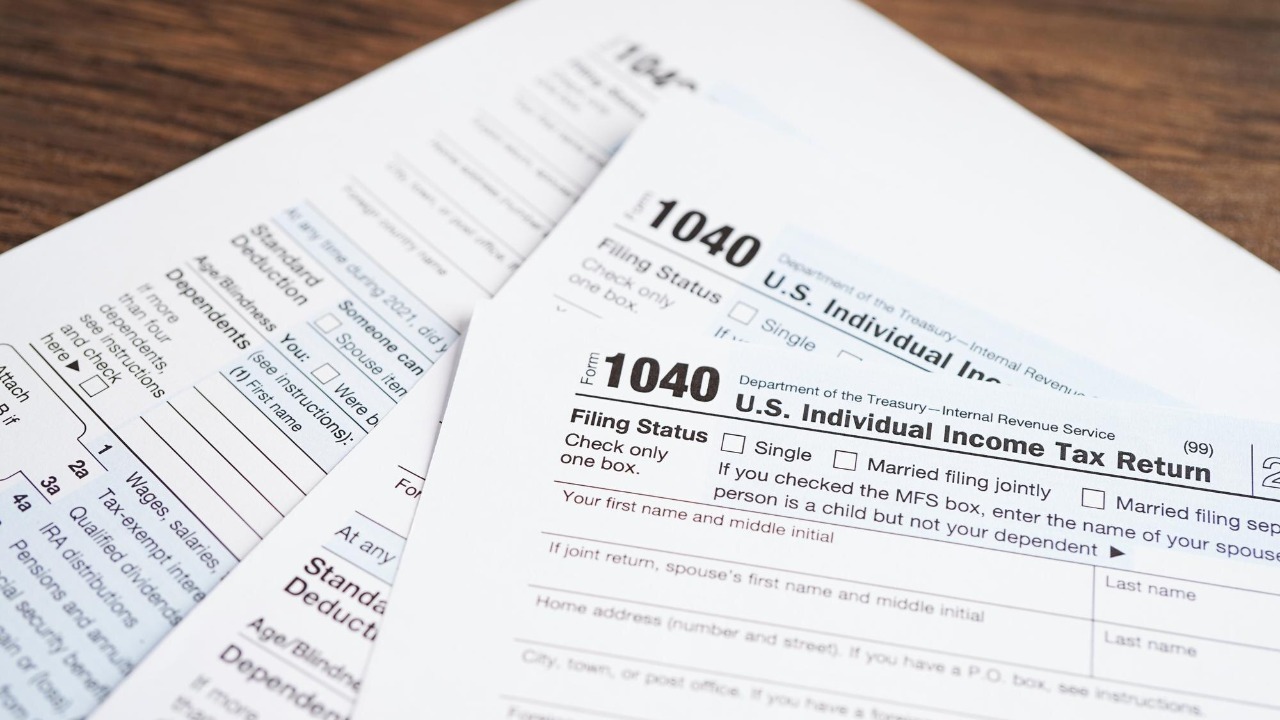
Tax season is arriving fast, and the Internal Revenue Service is not whispering about it. The agency is urging taxpayers to act now so they are not scrambling at the last minute, missing key changes, or leaving money on the table. If you want to avoid delays, surprise tax bills, and security headaches, there are five concrete steps you should take before filing opens.
I see the same pattern every year: people wait until the last week, then discover missing documents, outdated accounts, or new rules they never saw coming. The latest guidance from the Internal Revenue Service makes clear that 2026 will reward those who prepare early and penalize those who do not. Here is what you need to do now, while there is still time to fix problems before they become crises.
1. Lock in the calendar: know when filing opens and closes
The first move is deceptively simple: get the key dates into your phone, your planner, and your family’s shared calendar. The 2026 tax filing season will begin on a Monday, January 26, when the Internal Revenue Service starts accepting individual returns for the 2025 tax year. The deadline to file those 2025 taxes is a Wednesday, April 15, 2026, unless you request a six month extension, which pushes your paperwork out but does not delay what you owe. Those two dates, Monday and Wednesday, define the window in which your return must be received, and everything else in your planning should work backward from them, as confirmed in guidance on tax deadlines.
Once those dates are fixed, you can set realistic internal deadlines that keep you out of trouble. I recommend treating the actual Internal Revenue Service cutoff as a last resort, not a target. Aim to have all your documents gathered by late February, your return drafted by mid March, and any payments scheduled at least a week before Wednesday, April 15, 2026. That buffer protects you from late arriving forms, software glitches, or last minute questions for a tax professional. It also gives you time to correct rejected e filings without risking penalties or interest, which start to accrue immediately after the official deadline.
2. Get your IRS online house in order
The second urgent step is to make sure your digital connection to the Internal Revenue Service is secure and up to date. The agency has been pushing taxpayers to use online accounts to view balances, track refunds, and manage communication, and its own newsroom has stressed that it is not too early to get ready for the 2026 tax season. In release IR 2025 116, The Internal Revenue Service encouraged taxpayers to prepare in advance, and that same message now extends to verifying your login, updating your contact information, and turning on multi factor authentication through the main newsroom.
On top of that, the agency has issued specific tips under IRS Tax Tip 2026 03 that walk through practical next steps. Those include reviewing your filing status, checking your withholding, and confirming your communication preferences so you receive notices quickly and securely. I find that many people set up an IRS account once and never revisit it, only to discover outdated email addresses or phone numbers when they most need access. Following the next steps now, before the rush, reduces the risk of identity theft, missed alerts, or delays in processing your return.
3. Gather documents and adapt to 2026 rule changes
Once your calendar and online access are set, the third priority is paperwork and policy. The Internal Revenue Service has already warned that the 2026 filing season will come with key updates that can change what you owe or what you get back. In IR 2026 01, issued from WASHINGTON, the agency explained that, with the new filing season approaching, taxpayers should pay attention to adjustments that could either lower tax bills or increase refunds. That includes changes to standard deductions, credits, and other thresholds, which are detailed in the Internal Revenue Service guidance on how to prepare to file.
In practical terms, that means you should start a checklist now: W 2s from each employer, 1099 forms for freelance work or investment income, mortgage interest statements, student loan interest records, and receipts for deductible expenses like charitable contributions. I also advise people to keep a separate folder, digital or physical, for any documents tied to new credits or deductions that may have been updated for 2026. The Internal Revenue Service has emphasized that understanding these key updates and essential tips ahead of time can prevent surprises, and the more organized your records are, the easier it is to apply those rules correctly using the detailed IR 2026 01 explanations.
4. Check your bracket and plan around 2026 tax revisions
The fourth must do task is to understand where you fall in the 2026 tax brackets and how that affects your strategy. While the 2027 tax deadline may seem far off, the structure of the 2026 brackets and related Internal Revenue Service updates will shape what you owe on income you are earning right now. Guidance on annual tax revisions explains that, While the current year is still in progress, taxpayers can use the latest IRS tax chart and bracket information to make tax smart moves, such as adjusting withholding or estimated payments, as outlined in the overview of annual IRS updates.
I recommend pulling your most recent pay stub and comparing your projected annual income to the 2026 brackets so you know whether a raise, bonus, or side gig will push you into a higher marginal rate. If it does, you may want to increase contributions to tax advantaged accounts like a 401(k) or traditional IRA before the year ends, or adjust your Form W 4 so your employer withholds more. Even if your bracket does not change, inflation adjustments can alter how much of your income is taxed at each level, and being aware of those shifts now helps you avoid a surprise balance due when you file. The key is to treat the bracket information as a planning tool, not just a number you discover after the fact.
5. Decide now how you will file and how you will get your refund
The fifth and final step is to make two decisions early: how you will file and how you want to receive any refund. The Internal Revenue Service has been clear that electronic filing combined with direct deposit is the fastest and most secure way to get your money, and its newsroom guidance on preparing for 2026 encourages taxpayers to choose their filing method and refund options in advance. In IR 2025 116, The Internal Revenue Service also highlighted the importance of clear explanations for retirement plan administrators, which is a reminder that complex situations often benefit from professional help, as noted in the broader newsroom resources.
I suggest deciding now whether you will use commercial software, a local tax preparer, a national chain, or the Internal Revenue Service’s own free filing tools if you qualify. Each option has trade offs in cost, support, and speed, and you do not want to be comparison shopping on Monday, January 26, when filing opens. At the same time, confirm your bank routing and account numbers for direct deposit, or, if you expect to owe, set up an online payment method through your IRS account. By locking in your filing path and payment or refund details before the season begins, you turn tax time from a frantic scramble into a predictable, mostly automated process that respects both your time and your wallet.
More From TheDailyOverview
*This article was researched with the help of AI, with human editors creating the final content.

Julian Harrow specializes in taxation, IRS rules, and compliance strategy. His work helps readers navigate complex tax codes, deadlines, and reporting requirements while identifying opportunities for efficiency and risk reduction. At The Daily Overview, Julian breaks down tax-related topics with precision and clarity, making a traditionally dense subject easier to understand.

