
Electric vehicles across North America are experiencing significant markdowns, driven by the recent cessation of federal incentives that had previously bolstered the market. In Canada, the impact was stark, with electric vehicle sales plummeting by 45% in March following the end of government rebates. This shift highlights the critical role incentives played in shaping consumer behavior and market dynamics.
Impact of Federal Incentives Ending

Federal incentives have long been a cornerstone in promoting electric vehicle (EV) adoption, offering consumers financial relief that made these vehicles more accessible. These incentives, which included tax credits and rebates, significantly reduced the upfront cost of electric vehicles, encouraging more consumers to make the switch from traditional gasoline-powered cars. The cessation of these incentives has left a noticeable void in the market, leading to a reevaluation of pricing strategies by manufacturers. According to WBBJTV, the removal of these incentives has directly impacted consumer purchasing decisions, as the financial burden of purchasing an electric vehicle has increased.
The specific incentives that were ended included federal tax credits that could amount to several thousand dollars per vehicle. These credits were instrumental in making electric vehicles financially competitive with their gasoline counterparts. Without these incentives, manufacturers are now forced to adjust their pricing strategies to maintain consumer interest. The absence of federal support has led to a market where electric vehicles must compete on their intrinsic value and technological advancements rather than financial incentives alone.
Moreover, the end of federal incentives has prompted discussions among policymakers and industry stakeholders about the necessity of alternative measures to support the electric vehicle market. Some experts suggest that state-level incentives or regional programs could fill the gap left by federal support, providing targeted relief that aligns with local market conditions. Additionally, there is a growing call for the introduction of non-monetary incentives, such as access to carpool lanes or reduced registration fees, which could enhance the appeal of electric vehicles without directly impacting their purchase price.
Market Response and Price Adjustments
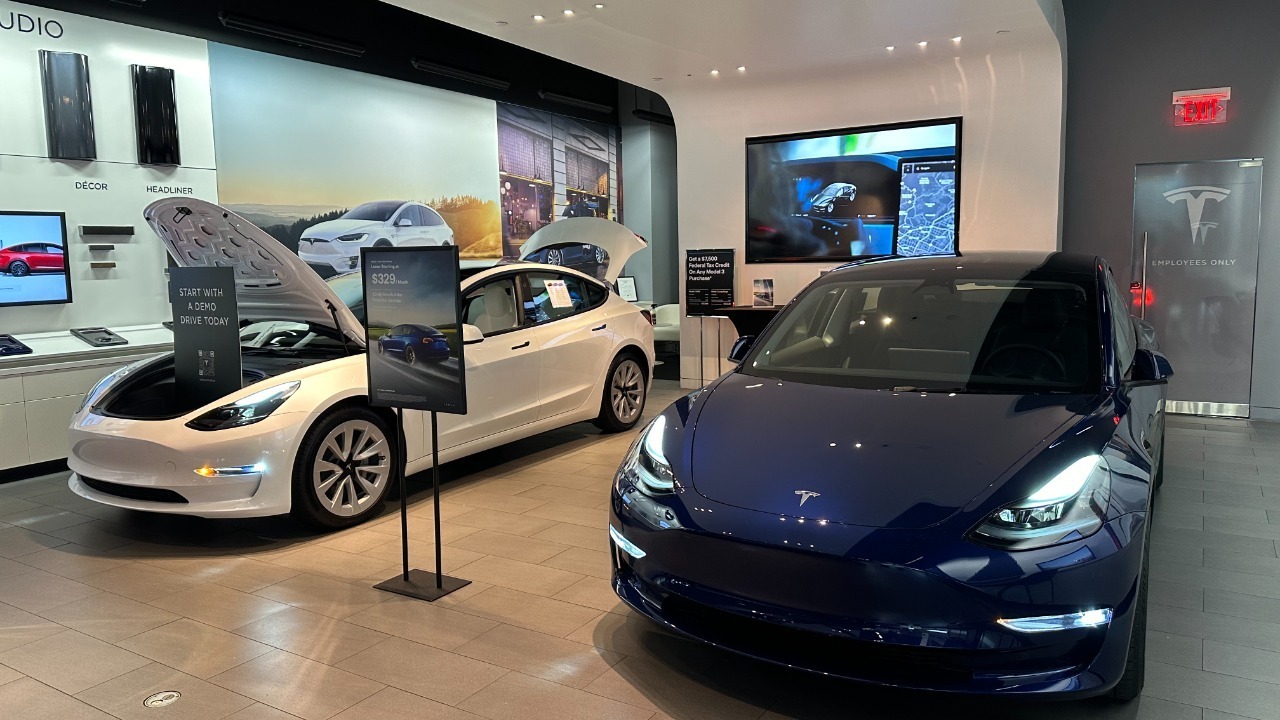
In response to the decreased demand following the end of federal incentives, electric vehicle manufacturers have begun implementing markdown strategies to attract buyers. These strategies include significant price reductions on various models to make them more appealing in a market that is now more price-sensitive. For instance, several popular models have seen price cuts as manufacturers attempt to offset the loss of federal incentives and stimulate sales. As reported by WBBJTV, these markdowns are a direct response to the changing market dynamics and are aimed at maintaining competitiveness.
Industry experts are divided on whether these markdowns will be sufficient to stabilize sales in the long term. While some believe that reduced prices could attract a new segment of cost-conscious consumers, others argue that without the allure of federal incentives, the market may struggle to sustain its previous growth trajectory. The success of these markdowns will largely depend on how effectively manufacturers can communicate the value proposition of electric vehicles beyond just cost savings.
Manufacturers are also exploring strategic partnerships with financial institutions to offer attractive financing options that could lower the effective cost of purchasing an electric vehicle. These partnerships might include lower interest rates or extended loan terms, making electric vehicles more financially accessible to a broader audience. Furthermore, some companies are investing in customer education campaigns to highlight the long-term cost savings associated with electric vehicles, such as reduced fuel and maintenance expenses, which could offset the initial purchase price over time.
Case Study: Canadian Market

The Canadian market provides a compelling case study of the broader effects of incentive removal. Following the end of government rebates, Canadian electric vehicle sales plummeted by 45% in March, illustrating the significant impact of financial incentives on consumer behavior. This dramatic decline underscores the importance of government support in fostering market growth and highlights the challenges faced by manufacturers in the absence of such incentives. According to Yahoo Autos, the removal of rebates led to a sharp decline in consumer interest, as the financial burden of purchasing an electric vehicle increased substantially.
Comparing the Canadian market’s response with that of the United States reveals interesting contrasts. While both markets have experienced challenges due to the removal of incentives, the scale and immediacy of the impact in Canada have been more pronounced. This difference may be attributed to varying levels of market maturity and consumer readiness in adopting electric vehicles. The Canadian experience serves as a cautionary tale for other regions considering similar policy changes.
In addition to the immediate sales decline, the Canadian market is witnessing a shift in consumer sentiment, with potential buyers expressing increased skepticism about the long-term viability of electric vehicles without government support. This sentiment is compounded by concerns over the availability and reliability of charging infrastructure, which remains a critical factor in the adoption of electric vehicles. The Canadian experience suggests that comprehensive policy frameworks, which address both financial and infrastructural barriers, are essential for sustaining market growth in the absence of direct incentives.
Future Outlook for Electric Vehicles

Looking ahead, the future of the electric vehicle market may hinge on the introduction of new policies or incentives aimed at reviving consumer interest. Policymakers could explore alternative forms of support, such as infrastructure investments or technology grants, to encourage the continued growth of the electric vehicle sector. If markdowns alone fail to drive sales, manufacturers may need to innovate in other areas, such as enhancing vehicle technology or expanding charging infrastructure, to maintain market momentum.
The long-term implications for electric vehicle manufacturers are significant. Without a resurgence in sales, companies may face financial pressures that could impact their ability to invest in research and development. As the market evolves, the role of alternative strategies, such as partnerships with technology firms or investments in sustainable energy solutions, will become increasingly important in sustaining growth. The path forward will require a multifaceted approach that balances immediate financial incentives with long-term strategic planning.

Julian Harrow specializes in taxation, IRS rules, and compliance strategy. His work helps readers navigate complex tax codes, deadlines, and reporting requirements while identifying opportunities for efficiency and risk reduction. At The Daily Overview, Julian breaks down tax-related topics with precision and clarity, making a traditionally dense subject easier to understand.