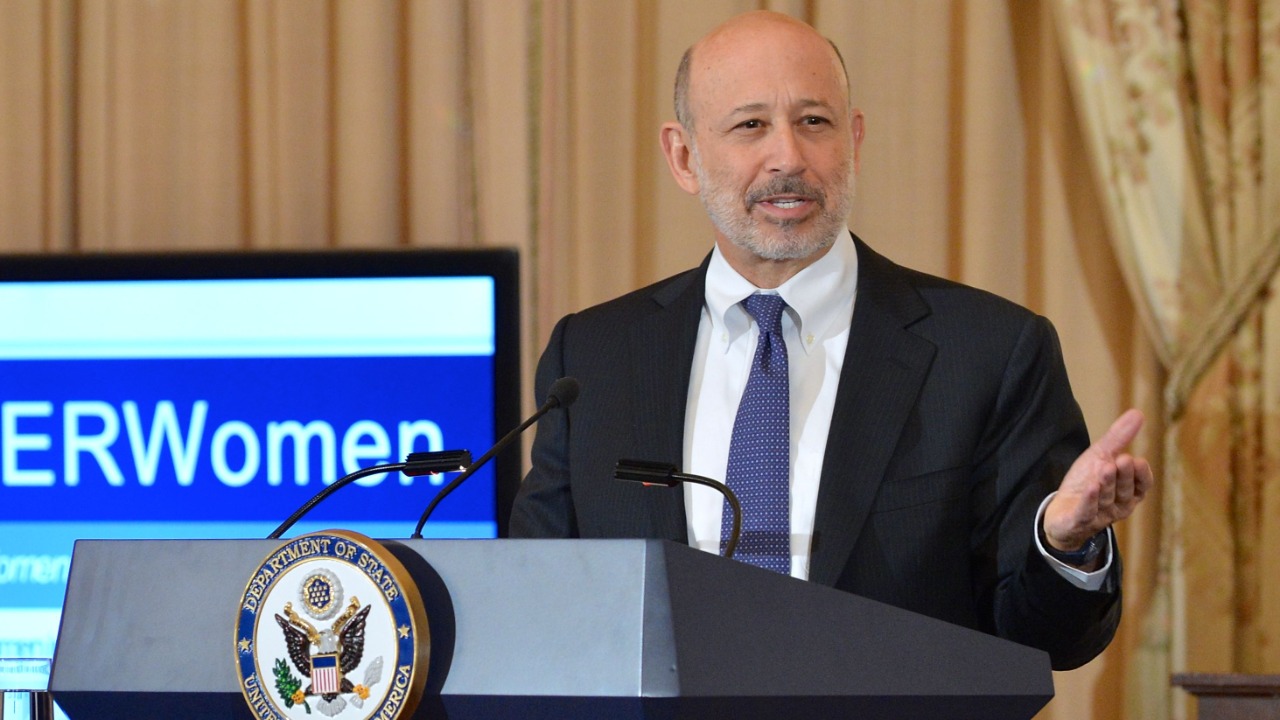
Lloyd Blankfein, the former CEO of Goldman Sachs, has recently issued a warning about a looming crisis in America, emphasizing his concern over the private credit market. His insights, drawn from years of experience in the financial sector, suggest that this area could be a significant trigger for economic instability. Blankfein’s perspective is particularly noteworthy given his influential role in economic forecasting.
The Role of Lloyd Blankfein in Economic Forecasting

Lloyd Blankfein’s tenure as the CEO of Goldman Sachs has established him as a prominent figure in the world of finance. His leadership at one of the most powerful investment banks in the world has given him a unique vantage point on global economic trends. Blankfein’s insights are often sought after by policymakers and financial analysts alike, owing to his deep understanding of market dynamics and his ability to foresee potential economic shifts.
Throughout his career, Blankfein has demonstrated a keen ability to predict economic trends and crises. His track record includes navigating Goldman Sachs through the 2008 financial crisis, a period marked by unprecedented challenges in the financial sector. His foresight and strategic decisions during that time have cemented his reputation as a reliable voice in economic forecasting. As such, his recent warnings about the private credit market carry significant weight and warrant close attention from both industry leaders and policymakers.
Concerns About the Private Credit Market

Blankfein has specifically highlighted the private credit market as a potential flashpoint for a future crisis. According to a report from Business Insider, he is particularly worried about the rapid growth and lack of regulation in this sector. The private credit market, which involves non-bank institutions providing loans, has expanded significantly in recent years, raising concerns about its stability and the potential for systemic risk.
The current state of the private credit market is characterized by high levels of debt and increased risk-taking by lenders. This environment, coupled with a lack of transparency and regulatory oversight, makes the market vulnerable to shocks. Blankfein’s concerns are rooted in the possibility that a downturn in this sector could have cascading effects on the broader economy, similar to the subprime mortgage crisis that contributed to the 2008 financial meltdown.
Potential Impacts on the US Economy

A crisis in the private credit market could have far-reaching implications for the US economy. If lenders in this sector face significant losses, it could lead to a tightening of credit conditions, making it more difficult for businesses and consumers to access financing. This, in turn, could slow economic growth and potentially lead to a recession.
Historical precedents, such as the 2008 financial crisis, demonstrate how vulnerabilities in specific market areas can trigger broader economic downturns. The interconnected nature of financial markets means that distress in the private credit sector could quickly spread to other parts of the economy, affecting everything from consumer spending to corporate investment. Blankfein’s warning serves as a reminder of the importance of monitoring and addressing potential risks before they escalate into full-blown crises.
Industry and Government Response

In response to Blankfein’s warning, financial institutions and government bodies may need to consider proactive measures to mitigate the risks associated with the private credit market. This could involve increasing regulatory oversight, enhancing transparency, and implementing stress tests to assess the resilience of lenders in this sector.
Preemptive measures could also include encouraging more prudent lending practices and ensuring that borrowers have the capacity to repay their debts. By taking these steps, industry leaders and policymakers can help safeguard the economy against the potential fallout from a crisis in the private credit market. Blankfein’s insights underscore the need for vigilance and preparedness in the face of emerging economic challenges.

Grant Mercer covers market dynamics, business trends, and the economic forces driving growth across industries. His analysis connects macro movements with real-world implications for investors, entrepreneurs, and professionals. Through his work at The Daily Overview, Grant helps readers understand how markets function and where opportunities may emerge.

