
With inflation continuing to impact the global economy, policymakers are exploring various strategies to provide relief to consumers. A proposed $600 tariff rebate has sparked debate among economists and financial experts about its potential effectiveness. This article delves into the various perspectives and implications of such a measure on inflation.
Understanding the Tariff Rebate Proposal
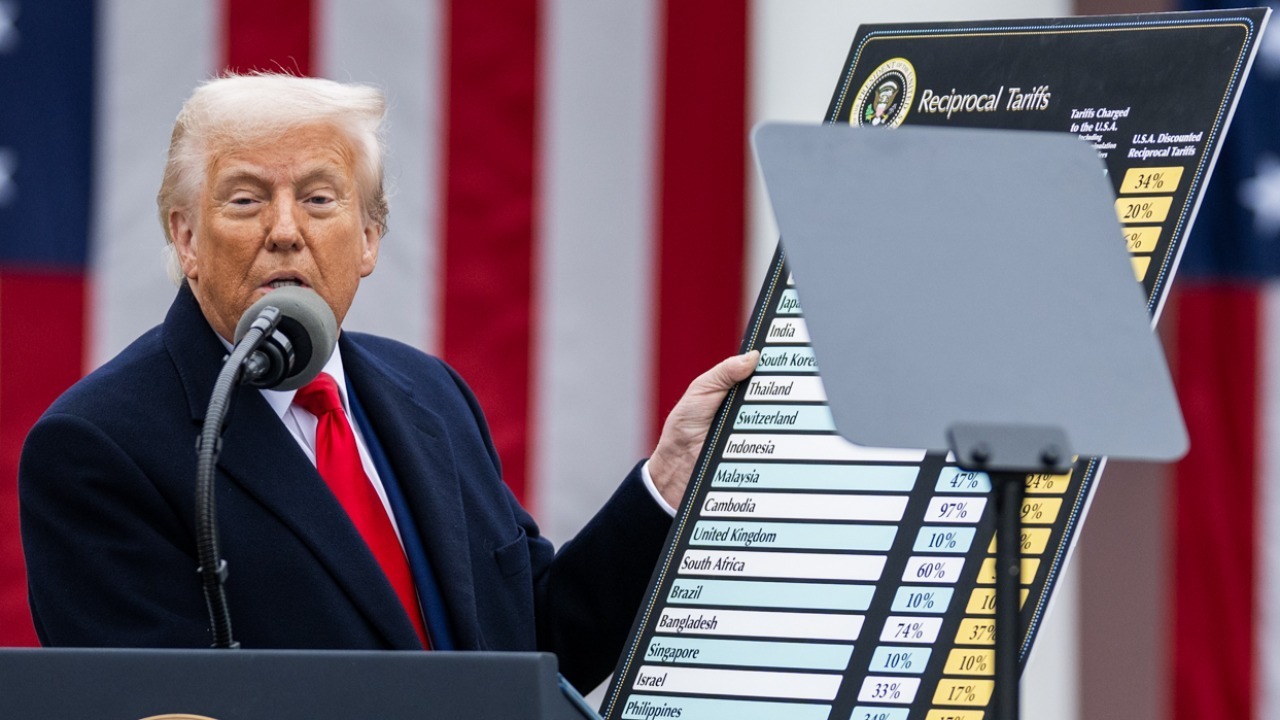
The $600 tariff rebate proposal has emerged as a contentious yet intriguing idea amidst ongoing discussions on inflation relief. The proposal is largely attributed to policymakers and economists seeking immediate solutions to ease consumer burdens. The primary goal of the rebate is to return a portion of the revenue collected from tariffs back to consumers, thereby boosting their spending power and potentially stimulating economic activity. While the specifics of who initially championed the idea can vary, it has garnered attention from various political and economic circles as a potential quick fix to inflationary woes.
In terms of mechanics, the rebate would be distributed to eligible consumers, likely based on income thresholds or other qualifying criteria. This distribution could be executed through direct payments or tax credits, ensuring that the funds reach consumers promptly. The timeframe for implementation remains a topic of discussion, but proponents emphasize the importance of a swift rollout to maximize impact. Historically, the U.S. has seen similar initiatives, such as the tax rebates during the 2008 financial crisis, which aimed to stimulate consumer spending and stabilize the economy. Comparing these past efforts provides insight into the potential effectiveness and pitfalls of the current proposal.
Possible Impact on Inflation

From an economic theory perspective, the introduction of a tariff rebate could influence inflation by altering supply and demand dynamics. By increasing consumers’ disposable income, the rebate might boost demand for goods and services, potentially driving up prices if supply does not adjust accordingly. However, some economists argue that by alleviating the financial pressure on consumers, the rebate could help stabilize prices by maintaining consumer confidence and spending levels.
Expert opinions are divided on the rebate’s ability to mitigate inflationary pressures. Supporters suggest that the rebate offers a direct and tangible method to put money back into the hands of consumers, potentially offsetting rising costs caused by tariffs. Critics, however, caution against the potential for exacerbating inflation in the long run if the increase in demand outpaces supply. They also express concerns about fiscal sustainability, questioning whether the rebate is a viable long-term solution or merely a temporary relief mechanism. The debate continues as experts weigh the immediate benefits against possible future consequences.
Challenges and Criticisms

Implementing a $600 tariff rebate faces significant administrative and logistical hurdles. Ensuring that the rebate reaches eligible consumers efficiently requires a robust infrastructure, potentially involving coordination between multiple government agencies. Additionally, the timely processing of payments is crucial to maximize the rebate’s intended impact. Past experiences with similar programs have highlighted the challenges in avoiding delays and ensuring equitable distribution, which remain key concerns for the current proposal.
Critiques from economic experts often focus on the potential drawbacks of the rebate. Some argue that it may not address the root causes of inflation, such as supply chain disruptions or geopolitical tensions. Others express concerns about the long-term fiscal impacts of funding such a rebate, which could exacerbate budget deficits. Alternative solutions, such as targeted tax cuts or investment in supply chain resilience, are often proposed as more sustainable approaches to combat inflation. These alternatives highlight the complexity of addressing inflation and the need for multifaceted strategies.
Public and Political Reactions
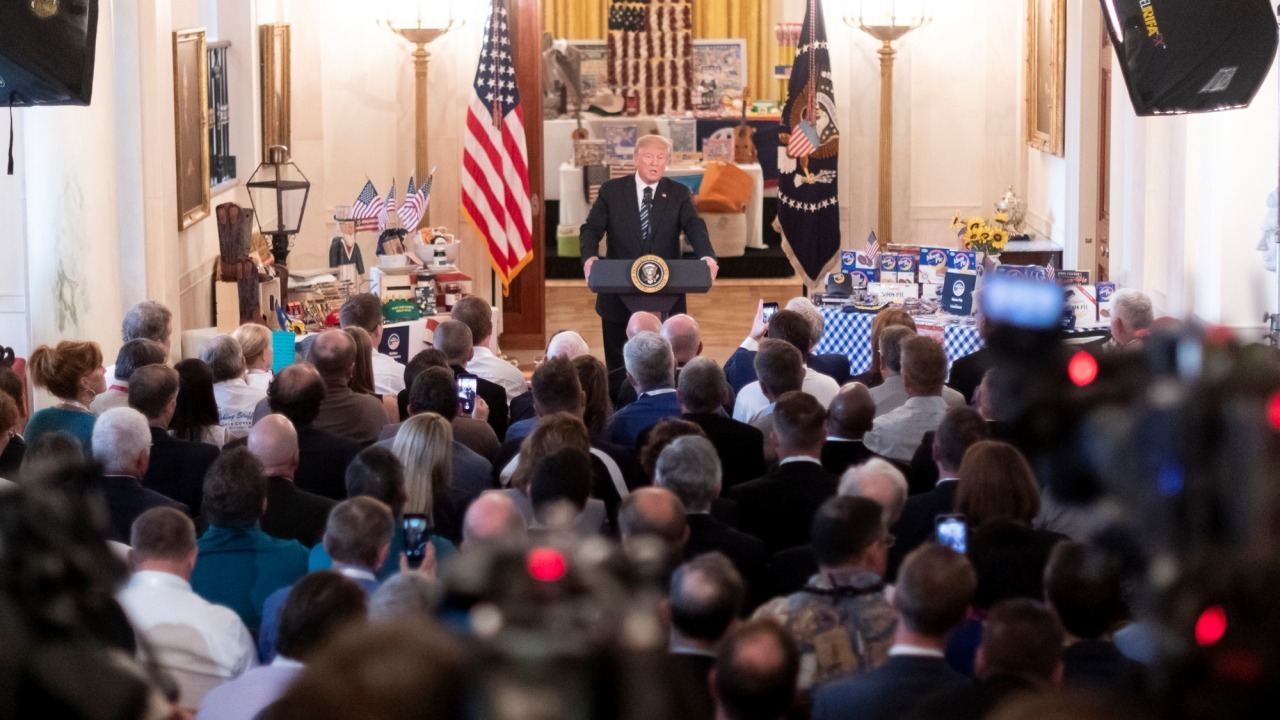
Public opinion on the $600 tariff rebate is varied, with some consumers welcoming the prospect of receiving financial relief. Polls and surveys indicate a mixed response, with support often correlating with individual financial situations and perceptions of the rebate’s effectiveness. Businesses, on the other hand, are cautious, considering the potential implications for consumer spending patterns and market dynamics.
Politically, the rebate proposal has sparked debate among lawmakers, with support and opposition often falling along partisan lines. Proponents argue that the rebate is a necessary measure to support consumers, while opponents raise concerns about fiscal responsibility and the potential for unintended economic consequences. As the political debate unfolds, the reception of the proposal could influence future policy decisions and legislative priorities, shaping the broader economic policy landscape.
Global Implications

The introduction of a tariff rebate could have significant implications for international trade relations, particularly with countries affected by U.S. tariffs. By effectively reducing the cost burden on U.S. consumers, the rebate might alter trade dynamics and negotiations, potentially affecting the balance of trade. The response from trading partners could vary, with some countries viewing the rebate as a positive development, while others may perceive it as a unilateral move to counteract the effects of existing tariffs.
Globally, other nations are employing varied strategies to combat inflation, such as monetary policy adjustments or fiscal stimulus measures. Comparing these approaches to the U.S. rebate proposal provides insight into the diverse ways countries are addressing inflationary challenges. The ripple effects on global financial markets and economic stability underscore the interconnectedness of national economies and the potential for domestic policy decisions to have far-reaching consequences. As the debate continues, the global community will closely monitor the outcomes and implications of any implemented measures.

Grant Mercer covers market dynamics, business trends, and the economic forces driving growth across industries. His analysis connects macro movements with real-world implications for investors, entrepreneurs, and professionals. Through his work at The Daily Overview, Grant helps readers understand how markets function and where opportunities may emerge.

