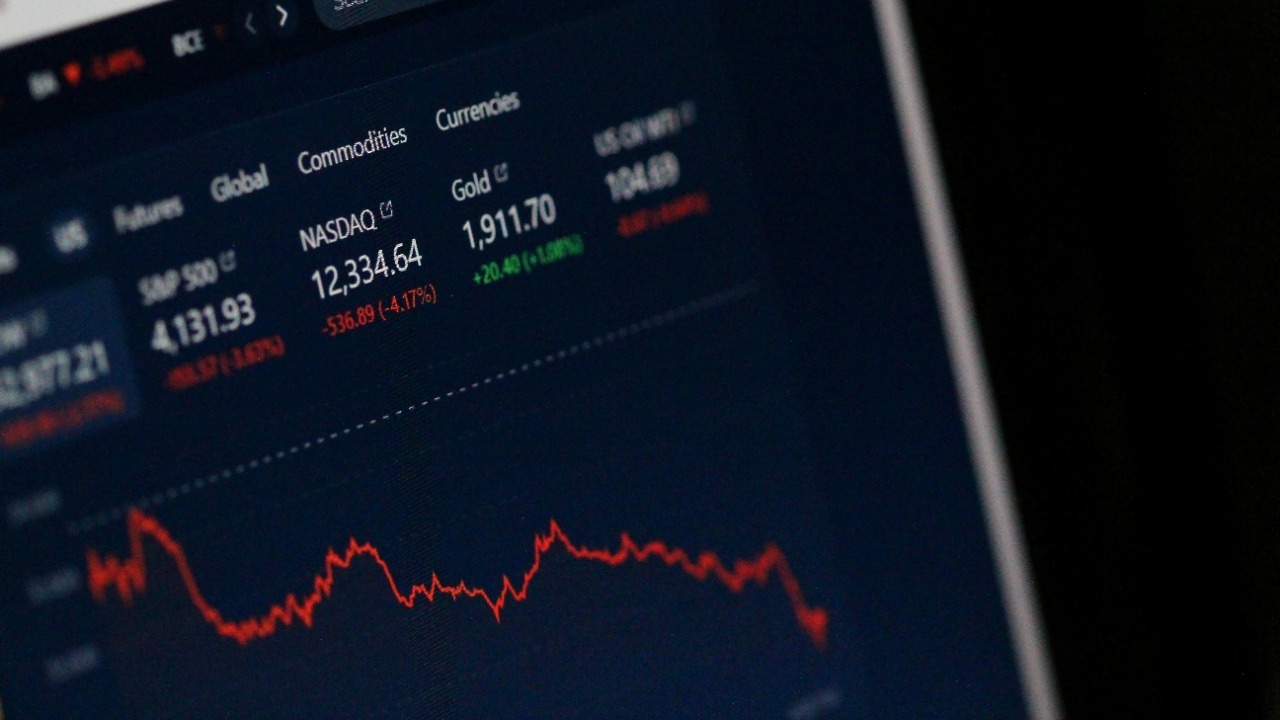
Gold has recently surged past $4,000 per ounce, marking a historic milestone in the precious metals market. This unprecedented rise is fueled by economic uncertainties and increased investor demand, leaving experts divided on whether this is a prime buying opportunity or a signal for caution. As we move into 2025, understanding the factors behind this rally and expert opinions can help investors make informed decisions about gold investments.
Understanding the Gold Price Surge

The recent surge in gold prices can be attributed to several key economic factors. Inflation pressures and geopolitical tensions have played significant roles in driving gold above $4,000 per ounce. According to CBS News, these elements have heightened investor interest in gold as a safe-haven asset. Historically, gold has been a reliable hedge against inflation, and current global uncertainties have only reinforced its appeal.
Gold’s journey to surpassing $4,000 has been marked by several historical price milestones. As noted by Yahoo Finance, gold has steadily risen from under $2,000 in previous years, providing a benchmark for investors to gauge its performance. This steady climb reflects both the metal’s intrinsic value and its perceived stability in volatile markets.
Central bank purchases have also significantly contributed to gold’s upward momentum. Increased global reserves, as highlighted by RankiaPro, have sustained demand. Central banks, particularly in emerging markets, have been diversifying their reserves, adding to the demand and supporting higher prices.
Factors Driving Gold’s Appeal in 2024
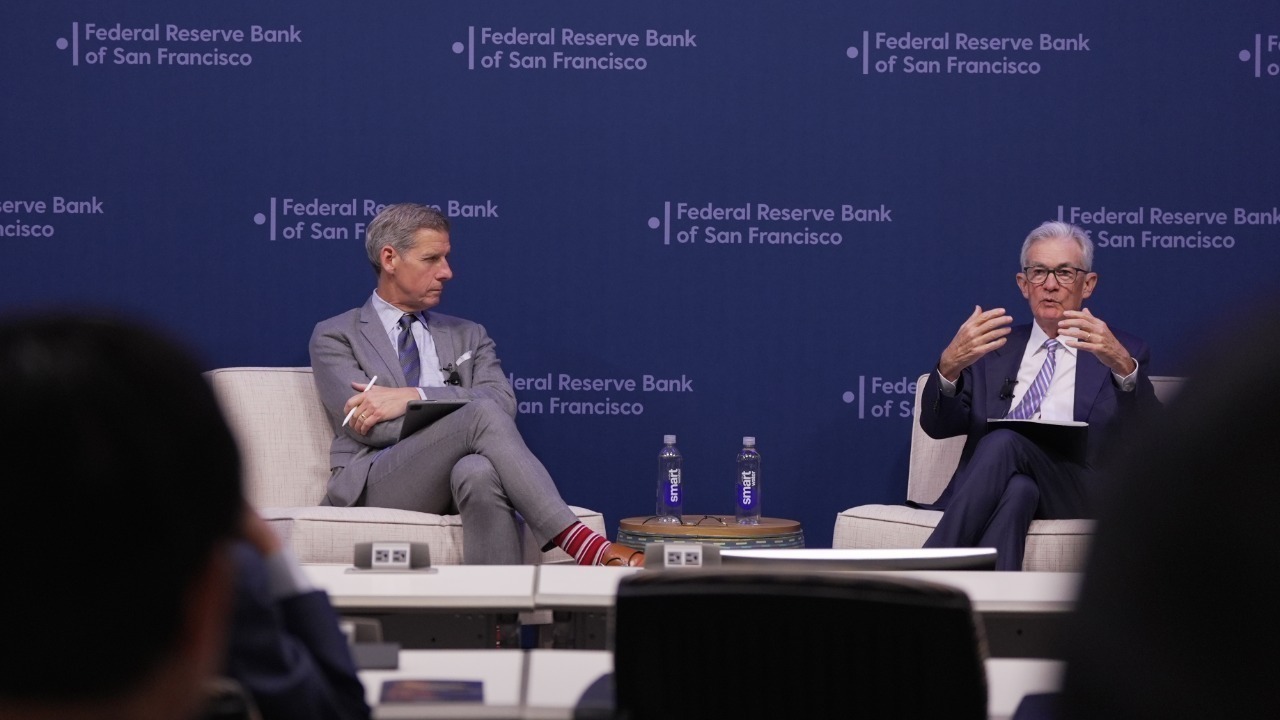
The U.S. Federal Reserve’s policies have been instrumental in bolstering gold’s appeal. Interest rate cuts have made gold an attractive hedge against currency devaluation. As Kiplinger reports, these monetary policies have increased gold’s attractiveness as a stable investment, especially in times of economic uncertainty.
Demand from emerging markets, particularly in Asia, has also fueled gold’s rise. Retail investors in these regions are driving record consumption levels, as noted by CBS News. This surge in demand underscores the metal’s enduring appeal across diverse economic landscapes, further supporting its price increase.
Supply constraints, such as limitations in mining output, have tightened availability and supported higher prices. According to Yahoo Finance, these constraints have created a supply-demand imbalance, contributing to the price surge. This dynamic highlights the importance of understanding market fundamentals when considering gold investments.
Expert Views on Buying Gold Now

Analysts have mixed views on whether now is the right time to buy gold. Bullish perspectives suggest that gold could reach $4,500 or higher by mid-2025, driven by ongoing economic volatility. Benzinga highlights that these predictions are based on the assumption that current economic conditions will persist, making gold a valuable asset.
Conversely, some experts caution against heavy investment in gold, warning of potential corrections if interest rates stabilize. Kiplinger advises diversification over heavy allocation to gold, suggesting that investors should be wary of putting too much into a single asset class.
Market strategists recommend portfolio strategies that limit gold to 5-10% of assets for balanced risk. As noted by RankiaPro, this approach allows investors to benefit from gold’s stability while maintaining exposure to other asset classes, ensuring a diversified investment portfolio.
Risks and Alternatives to Gold Investment

Investing in gold comes with its own set of risks, particularly volatility. Gold has a history of sharp pullbacks following peaks, such as the current $4,000 level. Yahoo Finance emphasizes the importance of understanding these risks, as past performance is not always indicative of future results.
For those considering alternatives, silver and ETFs offer different investment opportunities. Kiplinger provides data on their performance relative to gold’s recent gains, suggesting that these options might offer similar benefits with potentially lower volatility.
Investors should also consider the costs associated with physical gold, such as storage and transaction fees, versus the liquidity benefits of digital options. As CBS News notes, digital gold investments can offer easier access and lower costs, making them an attractive alternative for some investors.
Looking Ahead: Gold’s Outlook for 2025

Looking forward, expert predictions suggest that gold could reach new highs if recession fears intensify. Benzinga forecasts potential highs of $4,500, contingent on economic conditions and market sentiment. This outlook underscores the importance of staying informed about macroeconomic trends.
Upcoming elections and policy shifts could also impact gold’s trajectory beyond the $4,000 mark. As highlighted by RankiaPro, political developments can influence market dynamics, affecting gold prices. Investors should monitor these factors closely to anticipate potential changes in the market.
To effectively time entry points, investors should keep an eye on indicators like dollar strength and inflation reports. Kiplinger suggests that these metrics can provide valuable insights into market conditions, helping investors make informed decisions about when to buy or sell gold.

Grant Mercer covers market dynamics, business trends, and the economic forces driving growth across industries. His analysis connects macro movements with real-world implications for investors, entrepreneurs, and professionals. Through his work at The Daily Overview, Grant helps readers understand how markets function and where opportunities may emerge.

