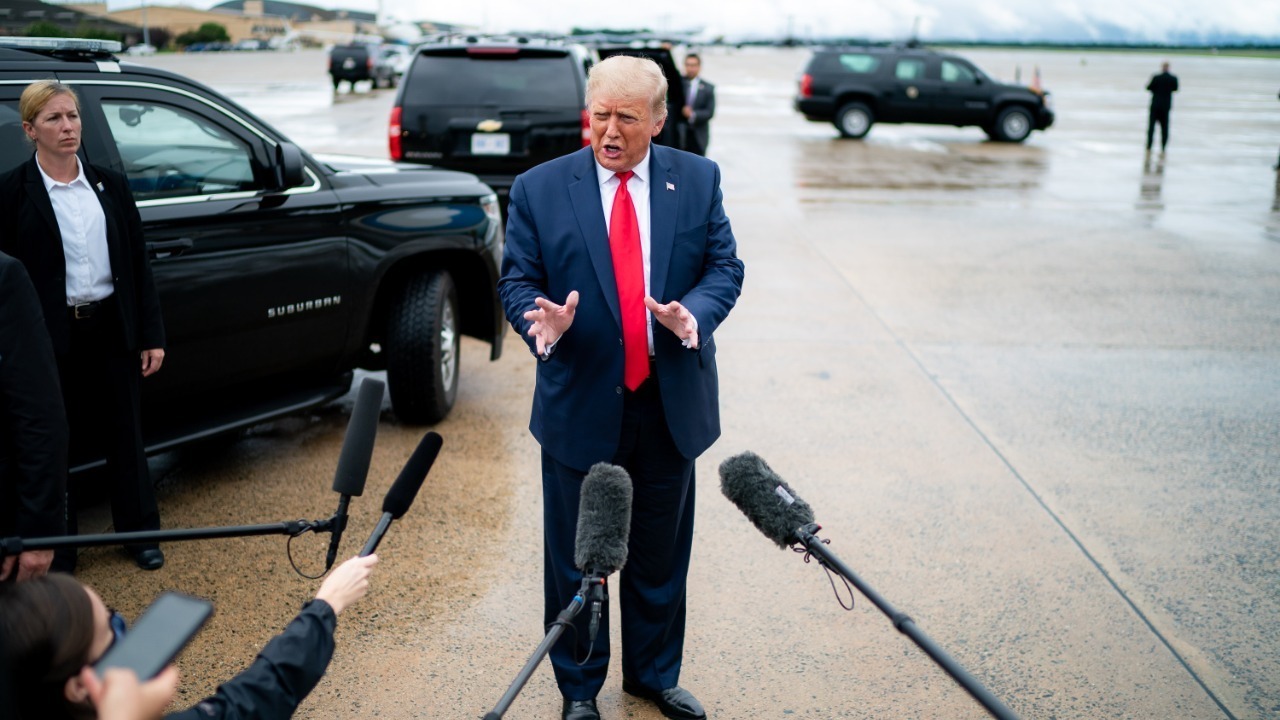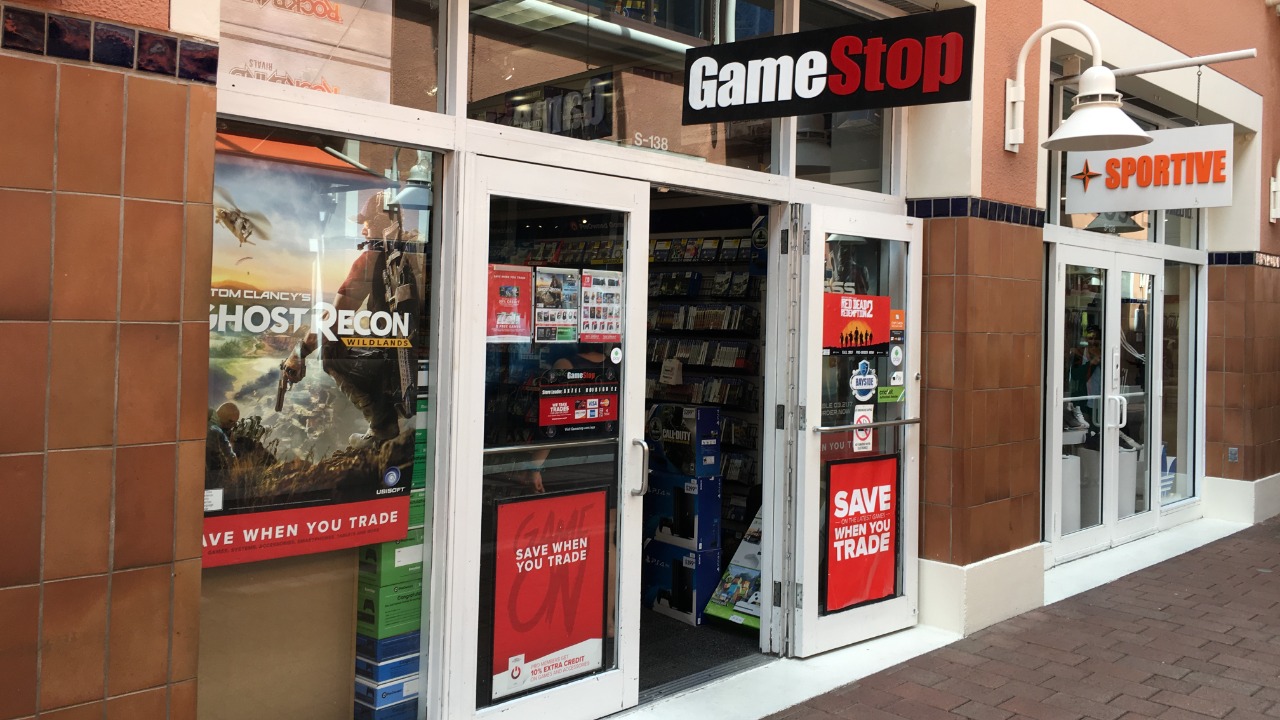
GameStop (GME) shares experienced a resurgence following the return of social media influencer Keith Gill, known as Roaring Kitty, who reappeared on X in June 2024 after a three-year hiatus. Meanwhile, AMC Entertainment (AMC) stock saw an uptick after Wedbush analysts upgraded it, citing an improving box office outlook and potential recovery in theater attendance. These developments have reignited debates on whether either fallen meme stock could spike again, as ARK Invest CEO Cathie Wood has warned about the risks associated with the latest meme stock craze.
The Origins of the GME and AMC Meme Stock Phenomenon
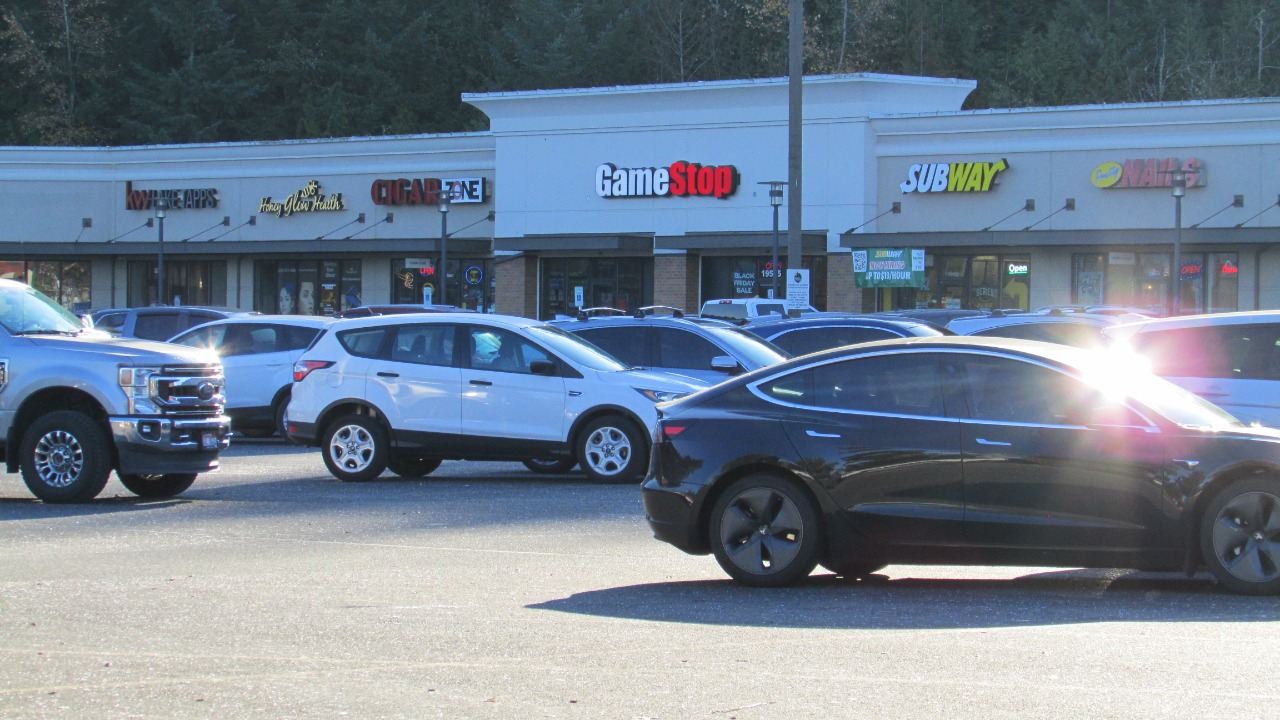
The meme stock phenomenon that captivated the financial world in 2021 began with GameStop’s dramatic short squeeze. Retail investors on Reddit’s WallStreetBets subreddit propelled GameStop shares from under $20 to over $483 at their peak. This unprecedented surge was fueled by a combination of high short interest and coordinated buying efforts, turning the stock into a symbol of retail investor power and defiance against institutional short sellers. The event highlighted the potential for social media to influence stock markets significantly, as retail investors banded together to challenge traditional financial norms.
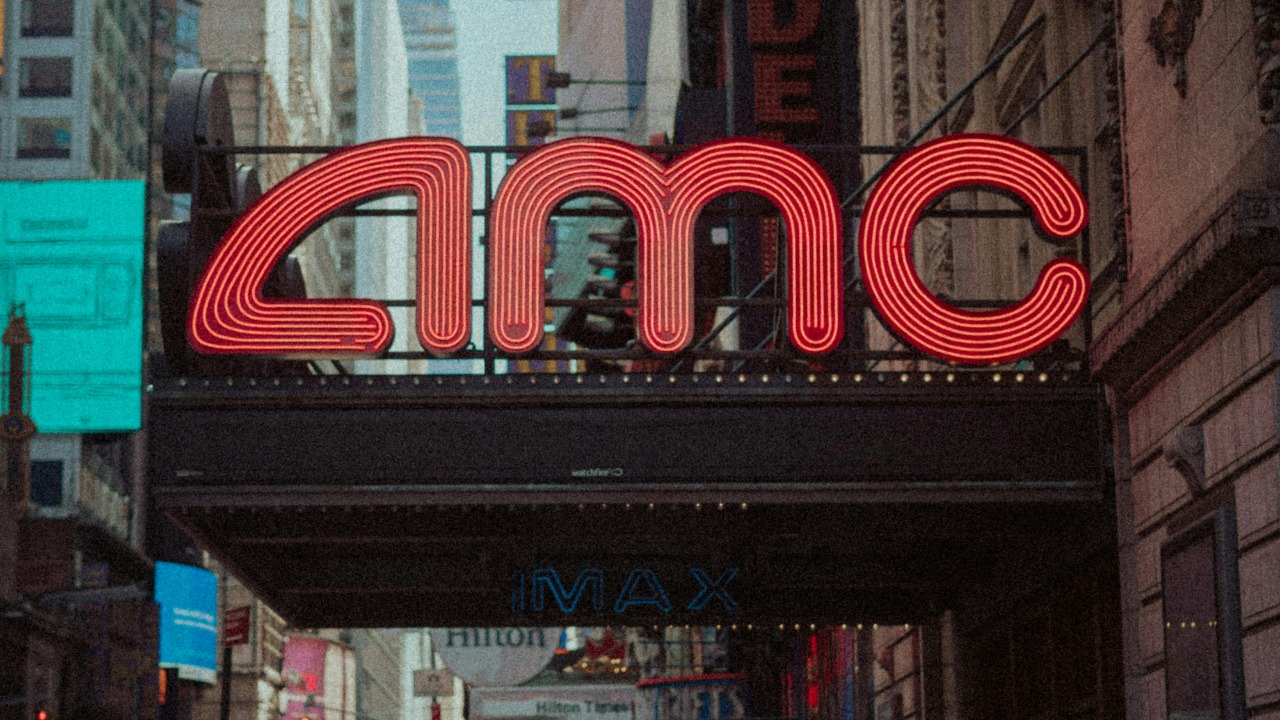
AMC Entertainment experienced a parallel surge in 2021, with its shares rising over 2,000% amid similar enthusiasm from retail traders. The reopening of theaters post-COVID lockdowns further fueled this rally, as investors bet on a recovery in the entertainment sector. Like GameStop, AMC became emblematic of the meme stock movement, with its high short interest—exceeding 20% at its peak—drawing the attention of retail investors eager to capitalize on potential short squeezes. Both stocks became central figures in the broader discussion about market volatility and the power of collective retail trading.
As symbols of the meme stock movement, GameStop and AMC attracted significant attention due to their high short interest levels. GameStop’s short interest exceeded 100% of its float at its peak, while AMC’s reached over 20%. These figures underscored the potential for dramatic price movements driven by short squeezes, as retail investors sought to exploit the vulnerabilities of heavily shorted stocks. The events of 2021 demonstrated the potential for retail investors to disrupt traditional market dynamics and challenge established financial institutions.
GameStop’s Path to Recovery and Volatility
Keith Gill, also known as Roaring Kitty, played a pivotal role in GameStop’s resurgence. His June 2024 post on X, featuring a meme, led to a 74% single-day jump in GME stock, pushing it to $46.55. Gill’s influence underscores the continued impact of social media personalities on stock movements, particularly in the meme stock arena. His return to the public eye reignited interest in GameStop, highlighting the ongoing volatility and potential for significant price swings driven by retail investor sentiment.
GameStop’s strategic shifts under CEO Ryan Cohen have also been a focal point for investors. Cohen’s emphasis on e-commerce and the company’s substantial cash reserves of over $1 billion position GameStop for a potential turnaround. These strategic moves aim to transform GameStop from a traditional brick-and-mortar retailer into a more agile and competitive player in the digital marketplace. The company’s efforts to adapt to changing consumer preferences and leverage its financial resources reflect its commitment to long-term growth and stability.
Despite these efforts, GameStop continues to experience significant volatility. As of late 2024, GME was trading around $20, reflecting the challenges of sustaining momentum amid fluctuating retail sentiment. However, the stock has shown resilience through multiple meme-driven rallies, demonstrating the enduring appeal of GameStop as a speculative investment. The company’s ability to navigate these challenges and capitalize on its strategic initiatives will be crucial in determining its future trajectory.
AMC’s Struggles Amid Box Office Rebound
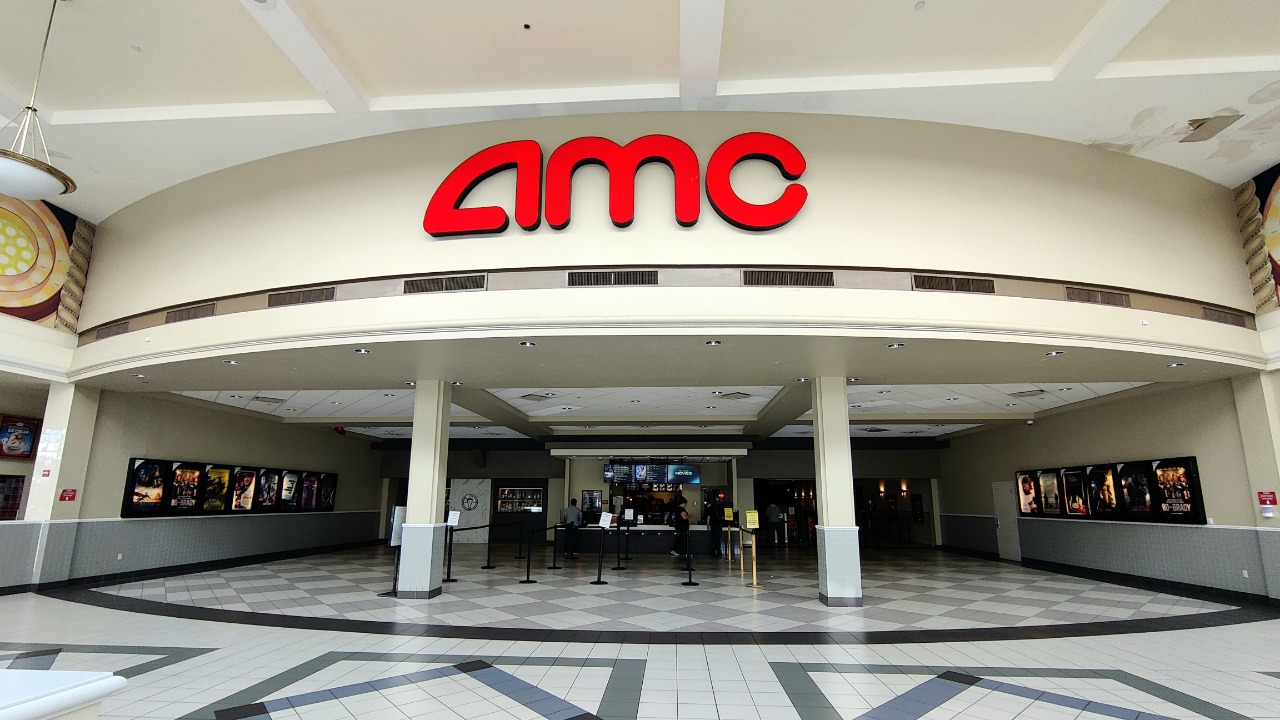
AMC Entertainment has faced its own set of challenges, despite a recent upgrade from Wedbush to outperform. The analysts cited an improving box office, with 2024 revenues projected at $9 billion, up from 2023. This optimistic outlook reflects the potential for a rebound in theater attendance as audiences return to cinemas. However, AMC’s financial struggles, including a debt burden exceeding $4.5 billion, continue to weigh heavily on the company’s prospects. The substantial debt and dilution concerns from share issuances have contributed to a 90% drop from its 2021 highs.
CEO Adam Aron has been actively working to stabilize AMC through initiatives such as premium formats and strategic partnerships. These efforts aim to enhance the theater-going experience and attract more patrons. However, analysts warn of potential bankruptcy risks if AMC fails to achieve sustained attendance growth. The company’s ability to navigate these financial challenges and capitalize on the improving box office environment will be critical in determining its long-term viability.
Expert Perspectives on Meme Stock Risks and Potential

ARK Invest CEO Cathie Wood has issued a warning regarding the latest meme stock craze, advising investors to exercise caution. Wood emphasized the risks associated with unsustainable hype and the potential for sharp corrections, urging investors to be wary of the volatility inherent in meme stocks. Her cautionary stance highlights the broader concerns about the speculative nature of these investments and the potential for significant financial losses.
Analysts at InvestorPlace have echoed similar sentiments, advising investors to avoid AMC due to its fundamental weaknesses, despite short-term rallies. The company’s substantial debt and ongoing financial challenges present significant risks to investors, underscoring the importance of conducting thorough due diligence before investing in meme stocks. The contrasting fortunes of GameStop and AMC illustrate the diverse risks and opportunities within the meme stock landscape.
Comparatively, GameStop’s stronger balance sheet positions it more favorably than AMC, which is burdened by high leverage. Projections for GameStop suggest the potential for spikes driven by retail sentiment revival, highlighting the ongoing allure of meme stocks as speculative investments. As investors navigate this volatile landscape, the ability to discern between short-term hype and long-term potential will be crucial in making informed investment decisions.

Elias Broderick specializes in residential and commercial real estate, with a focus on market cycles, property fundamentals, and investment strategy. His writing translates complex housing and development trends into clear insights for both new and experienced investors. At The Daily Overview, Elias explores how real estate fits into long-term wealth planning.