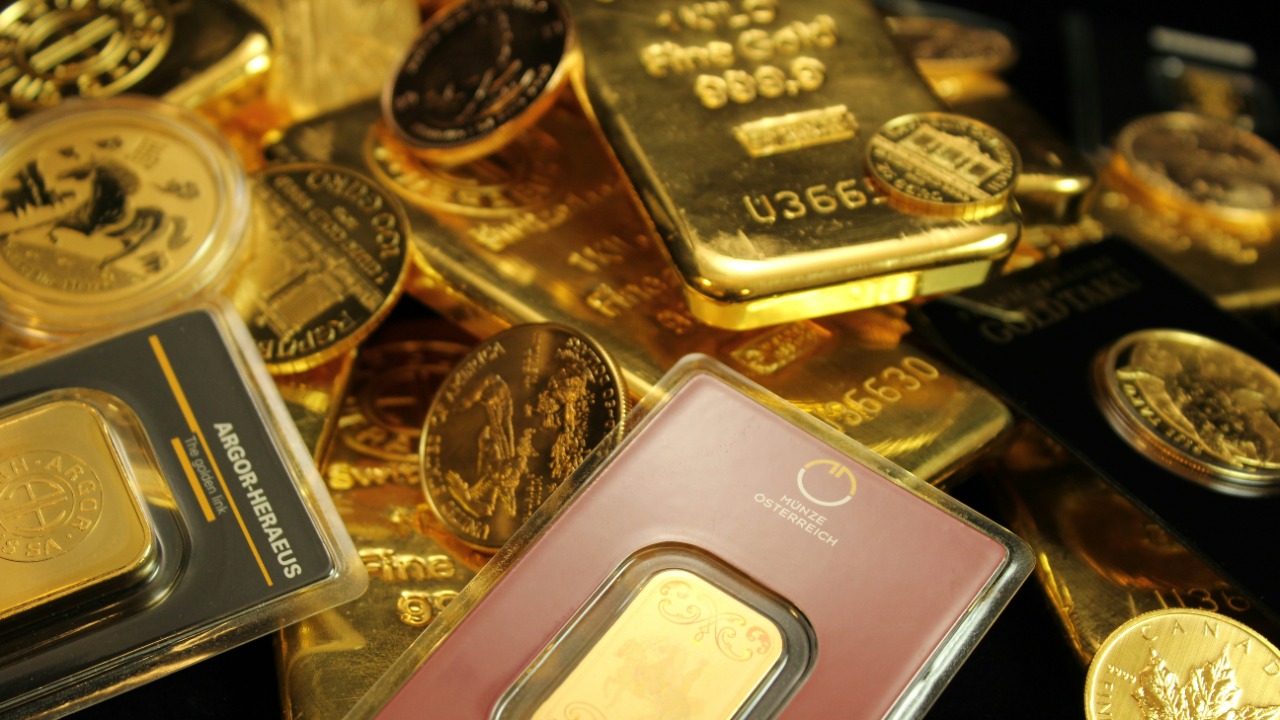
As the gold market experiences a dramatic shift, the once-booming demand is showing signs of decline. On October 9, 2025, Sydneysiders queued around the block to buy gold, reflecting a peak in retail frenzy. However, experts have been warning since early September that the gold rush might not be sustainable. By October 11, 2025, parallels were drawn between the gold market and the AI sector, where experts warned of a potential bubble burst. These developments underscore a significant shift in the gold market, suggesting that the era of the gold boom may be coming to an end.
Frantic Demand in Key Markets
The surge in physical gold purchases, particularly in Sydney, highlights the peak of retail enthusiasm. On October 9, 2025, Sydneysiders queued around the block to buy gold, driven by a surge in prices. This event is a concrete example of the retail frenzy that has characterized the gold market’s recent history. The local economic drivers behind these price surges in Sydney suggest that such queues represent unsustainable hype rather than long-term stability. The fervor in Sydney serves as a microcosm of the global gold market, where similar patterns of demand spikes have been observed.
The implications of this demand spike are significant for global gold trends. The Sydney event is indicative of a boom reaching its exhaustion point. As prices soared, the rush to purchase gold became a self-fulfilling prophecy, driving prices even higher. However, this kind of speculative buying is often a precursor to a market correction. The Sydney queues are a stark reminder that while gold has been seen as a safe haven, the market is not immune to the forces of speculation and hype.
Early Warning Signals from Analysts
As early as September 2, 2025, analysts began to identify warning signs for investors. These signals included specific risks to the continuity of the gold rush, such as overvaluation and potential market corrections. Experts questioned whether the gold rush could continue, emphasizing data points that suggested the market was overheated. The insights from financial outlets in September foreshadowed the broader denial among experts that is now crumbling. The warnings highlighted the precarious nature of the gold market, where rapid price increases were not supported by fundamental economic indicators.
The September 2025 insights from financial analysts served as a harbinger for the current state of the market. The overvaluation of gold, coupled with the potential for market corrections, painted a picture of a market on the brink of a downturn. These early warnings were a call to investors to reassess their positions and consider the sustainability of the gold rush. The reluctance to heed these warnings has led to a situation where the market is now grappling with the consequences of unchecked speculation.
Parallels to Bursting Bubbles
The current state of the gold market draws parallels to the AI sector, where a similar rush has turned to panic. As of October 11, 2025, experts warned that the AI gold rush could soon explode, serving as a cautionary mirror for gold’s trajectory. The statements from experts about the potential for a bubble burst in the AI sector highlight the similarities between the two markets. Both are characterized by rapid growth, speculative investments, and the potential for significant corrections.
The cross-market lessons from the AI sector reinforce the notion that the gold market is facing an impending downturn. The panic predictions in the AI market serve as a stark reminder of the vulnerabilities inherent in speculative bubbles. The parallels between the two markets underscore the need for caution and a reassessment of investment strategies. As experts warn of a potential bubble burst, the gold market must grapple with the reality that its boom may be unsustainable.
Shifting Investor Sentiment
The initial enthusiasm for gold, exemplified by the October 9, 2025, Sydneysiders queue, contrasts sharply with the emerging caution from the September 2, 2025, warning signs. The role of Luke Hopewell in reporting on the Sydney gold rush illustrates the shift in sentiment from boom to doubt. His coverage highlights the transition from a market driven by enthusiasm to one characterized by skepticism and caution. The broader expert consensus building around the potential for a bubble burst ties directly to gold’s similar vulnerabilities.
The shift in investor sentiment is a critical factor in the current state of the gold market. As initial enthusiasm gives way to caution, the market is forced to confront the realities of speculative investments. The warnings from experts about the potential for a bubble burst have prompted a reevaluation of investment strategies. The transition from boom to doubt is a natural progression in markets characterized by rapid growth and speculation. As the gold market faces these challenges, investors must navigate the complexities of a market in flux.
More From TheDailyOverview
- Dave Ramsey says these two simple questions show whether you’re rich or poor
- Retired But Want To Work? Try These 18 Jobs for Seniors That Pay Weekly
- IRS raises capital gains thresholds for 2026 and what’s new
- 12 ways to make $5,000 fast that actually work

Grant Mercer covers market dynamics, business trends, and the economic forces driving growth across industries. His analysis connects macro movements with real-world implications for investors, entrepreneurs, and professionals. Through his work at The Daily Overview, Grant helps readers understand how markets function and where opportunities may emerge.

