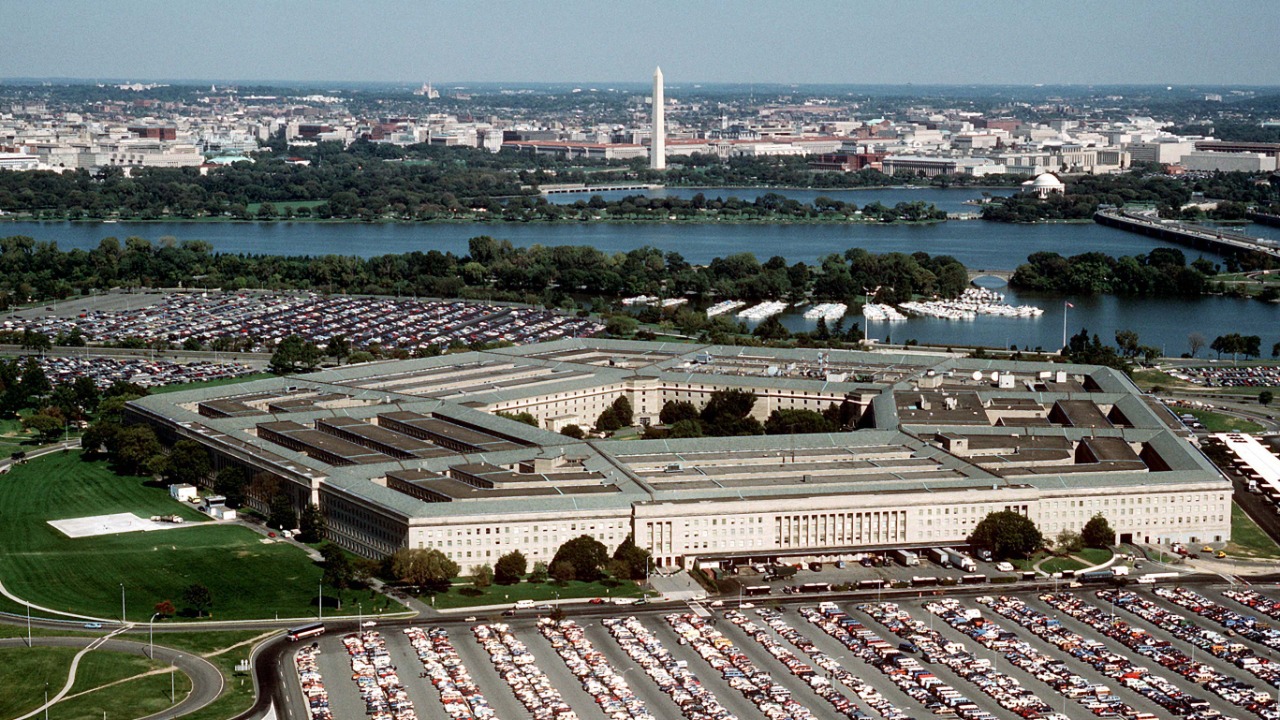
President Donald Trump has proposed a controversial initiative to rename the Pentagon, a decision that could potentially cost U.S. taxpayers up to $2 billion. This staggering estimate has drawn significant media attention, raising concerns about the financial implications for the public. The Pentagon, located in Arlington, Virginia, is the headquarters of the U.S. Department of Defense, and any changes to its iconic name would be a substantial undertaking.
Trump’s Proposal for the Pentagon Renaming
President Trump’s announcement of the Pentagon renaming initiative has stirred considerable debate. While the exact reasons behind the proposal remain largely undisclosed, Trump has emphasized the need for a fresh identity that aligns with his administration’s vision. The scope of this renaming effort is extensive, impacting everything from physical signage to official documents and references across the Department of Defense. This comprehensive overhaul would require updates to countless materials, reflecting the new name in all facets of military operations.
The proposal first emerged in late 2025, capturing widespread media attention. Initial reports highlighted the logistical challenges and potential costs associated with such a massive undertaking. According to NBC News, the renaming would involve not only physical changes but also extensive digital updates, further complicating the process.
Breakdown of the Estimated $2 Billion Cost
The estimated $2 billion cost of renaming the Pentagon is broken down into several primary expense categories. A significant portion of the budget would be allocated to updating the physical infrastructure, including building facades and plaques at the Pentagon in Arlington, Virginia. These changes would require meticulous planning and execution to ensure that the new name is prominently displayed and integrated into the existing architecture.
In addition to physical updates, the renaming would necessitate extensive digital and administrative changes. This includes updating software systems, websites, and official publications tied to the Department of Defense. The complexity of these changes is underscored by The Daily Beast, which highlights the intricate nature of aligning all digital assets with the new name.
Media Coverage and Public Reaction
The media coverage of Trump’s Pentagon renaming proposal has been extensive, with many outlets describing the cost as “shocking” and the initiative as a “makeover.” On November 12, 2025, several publications reported on the potential $2 billion burden on taxpayers, framing the proposal as a significant financial commitment. This coverage has sparked a range of reactions from political commentators and defense experts, who have expressed concerns about the feasibility and necessity of such a costly endeavor.
Internationally, the story has also gained traction, with global media outlets echoing the concerns raised by U.S. publications. The potential impact on taxpayers has been a focal point of the discussion, as highlighted by NJ.com. The article underscores the widespread apprehension about the financial implications of the renaming effort.
Potential Implications for Taxpayers and Defense Budget
The $2 billion estimate for the Pentagon renaming raises significant questions about its impact on the broader Department of Defense budget. This substantial expenditure could potentially divert funds from other critical priorities, affecting the overall allocation of resources within the department. The financial burden on taxpayers is a central concern, with reports emphasizing the “cool $2 billion” hit to public finances.
As noted by Daily Kos, the feasibility of the renaming effort has been called into question, with experts debating whether the benefits justify the costs. The potential redirection of funds from essential defense programs to cover the renaming expenses is a critical issue that warrants careful consideration.
Broader Context of the Renaming Effort
The Pentagon’s name has held historical significance since its establishment in 1943, serving as a symbol of American military strength and leadership. President Trump’s proposal to rename this iconic institution represents a departure from tradition, prompting discussions about the motivations and implications of such a change. While details about the new name under consideration remain limited, media reports have highlighted the high-cost nature of the policy move.
Global media coverage has further amplified the story, framing it as a significant policy decision with far-reaching financial implications. As reported by UNN, the renaming effort is viewed as a high-stakes initiative that could reshape the identity of one of the most recognizable institutions in the world. The potential impact on international perceptions of the U.S. military adds another layer of complexity to the debate.
More From TheDailyOverview
- Dave Ramsey says these two simple questions show whether you’re rich or poor
- Retired But Want To Work? Try These 18 Jobs for Seniors That Pay Weekly
- IRS raises capital gains thresholds for 2026 and what’s new
- 12 ways to make $5,000 fast that actually work

Grant Mercer covers market dynamics, business trends, and the economic forces driving growth across industries. His analysis connects macro movements with real-world implications for investors, entrepreneurs, and professionals. Through his work at The Daily Overview, Grant helps readers understand how markets function and where opportunities may emerge.

