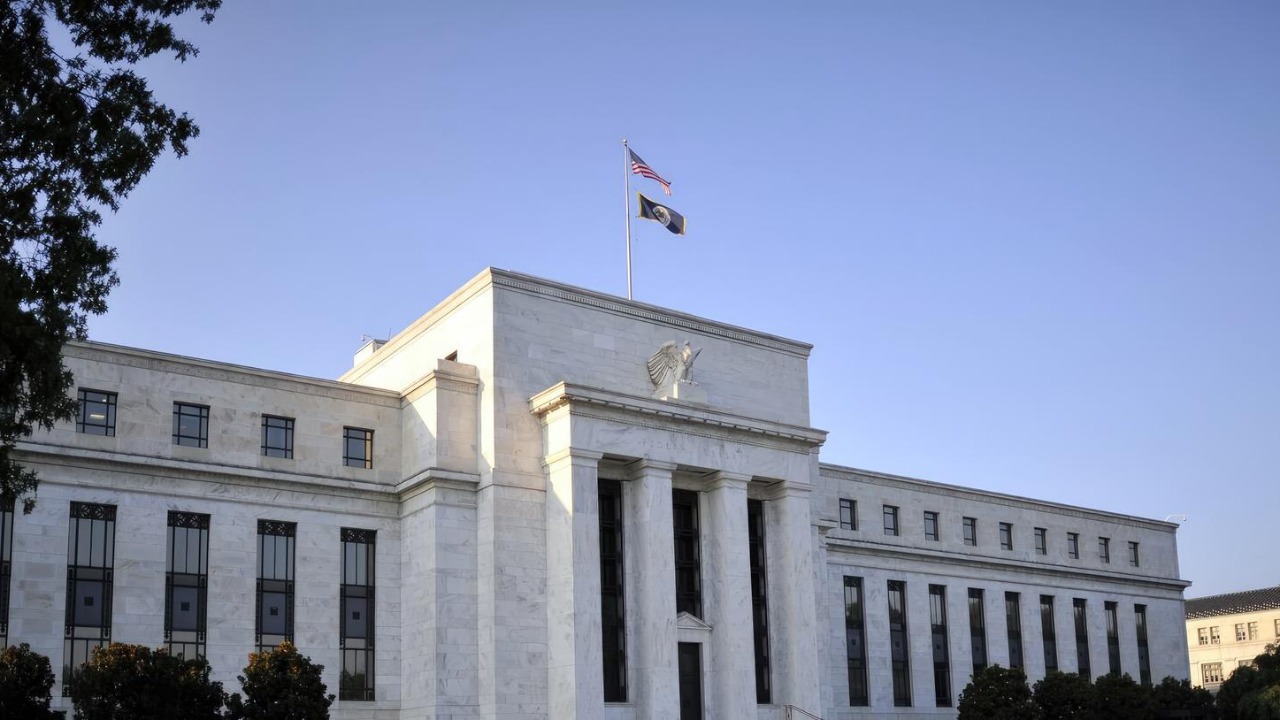
The Federal Reserve’s decision-making process and the latest jobs report are pivotal in shaping the economic landscape, drawing attention from investors, policymakers, and economists alike. As the nation watches, these two elements step into the spotlight, providing critical insights into the future direction of monetary policy and economic health. This article delves into the implications of the Fed’s decisions and the latest employment data, examining their impact on markets and the broader economy.
The Federal Reserve’s Role in Economic Stability

The Federal Reserve plays a crucial role in maintaining economic stability in the United States. Its primary responsibilities include regulating the nation’s monetary policy to foster economic conditions that achieve stable prices and maximum sustainable employment. This dual mandate is critical as it guides the Fed’s actions in balancing inflation and employment rates. To manage these goals, the Fed employs several tools, such as adjusting interest rates and implementing quantitative easing measures.
In recent months, the Federal Reserve has made several key policy decisions to navigate economic challenges. For instance, the Fed has opted to increase interest rates in response to rising inflation, a move designed to cool down the overheated economy. Such decisions are not made lightly, as they are based on comprehensive analyses and forecasts provided by Federal Reserve officials. These decisions aim to manage inflation without stifling economic growth, a delicate balance that requires precise calibration of policy tools.
Analyzing the Jobs Report

The jobs report provides essential insights into the health of the economy by highlighting key labor market indicators. Metrics such as the unemployment rate, job creation numbers, and the labor force participation rate are scrutinized to gauge economic performance. For instance, a declining unemployment rate often signals economic recovery, while robust job growth may indicate a thriving job market. These metrics help policymakers and economists assess trends and make informed decisions regarding future economic policies.
The implications of the latest employment data extend beyond mere numbers, as they significantly influence market sentiment and policy decisions. A strong jobs report can boost consumer confidence and spark optimism in financial markets, while a weak report may trigger concerns about economic slowdown and lead to adjustments in fiscal policies. Additionally, different sectors of the economy respond uniquely to employment changes, with industries such as technology and manufacturing potentially experiencing varied levels of impact based on labor market shifts.
Market Reactions and Investor Sentiment

Market responses to Federal Reserve decisions and jobs data are often swift and impactful. Stock, bond, and currency markets tend to react immediately to new information, with investors quickly adjusting their strategies based on perceived risks and opportunities. For instance, a decision to raise interest rates may lead to a sell-off in stocks as borrowing costs increase, while a positive jobs report might boost market confidence and drive stock prices higher. Such volatility is a reflection of investor sentiment, which can be significantly influenced by economic indicators.
Over the long term, these economic trends can shape investment portfolios as investors consider the implications of inflation, interest rates, and global economic factors. For example, rising interest rates might make bonds more attractive, while inflation concerns could prompt a shift towards commodities or real assets. Understanding these dynamics is crucial for investors seeking to navigate the complex landscape of financial markets. As markets continue to respond to economic signals, investors must remain vigilant, constantly assessing how ongoing trends might affect their financial strategies.
Broader Economic Impacts

The broader economic impacts of Fed decisions and employment data are significant, influencing business and consumer behavior in various ways. For businesses, changes in interest rates can affect investment decisions, expansion plans, and overall confidence in the economic outlook. A favorable jobs report might encourage businesses to increase hiring and capital expenditures, while a more cautious report could lead to restrained growth strategies. Similarly, consumer behavior is shaped by these economic indicators, with spending and saving habits often reflecting the perceived stability of the economy.
On the policy front, the latest economic data can drive changes in fiscal policy and government spending. Policymakers may adjust tax policies, infrastructure investments, or social programs based on the state of the economy, aiming to bolster growth or address specific challenges. As experts provide forecasts and economic predictions for the coming months, these insights help inform strategic decisions at both the governmental and corporate levels. Keeping a keen eye on developments such as the Fed’s actions and job market trends is essential for anticipating future economic conditions.

Grant Mercer covers market dynamics, business trends, and the economic forces driving growth across industries. His analysis connects macro movements with real-world implications for investors, entrepreneurs, and professionals. Through his work at The Daily Overview, Grant helps readers understand how markets function and where opportunities may emerge.