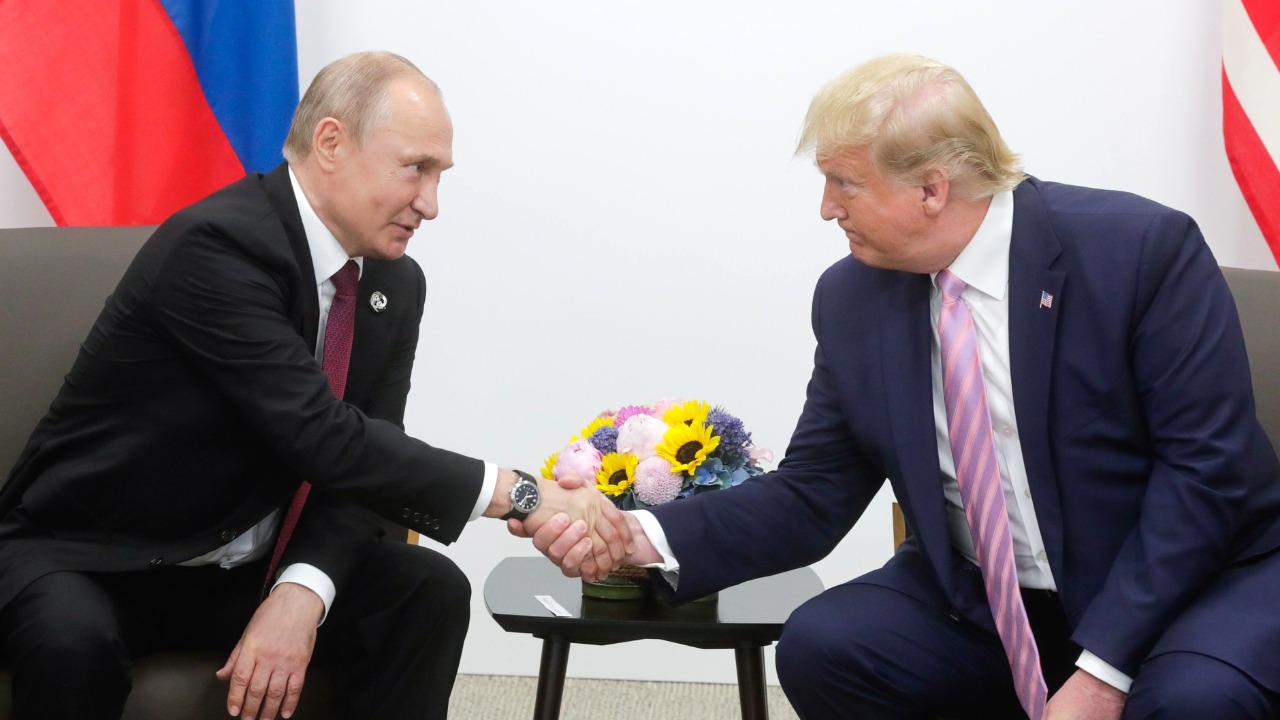
President Donald Trump has recently announced a new 10-day truce deadline for Russian President Vladimir Putin in the ongoing conflict with Ukraine. This decision comes as part of Trump’s broader strategy to broker peace between the two nations and has stirred both political and international reactions. The move represents a significant shift from the previously extended 50-day deadline, raising questions about its implications and effectiveness.
Trump’s Revised Strategy for Peace
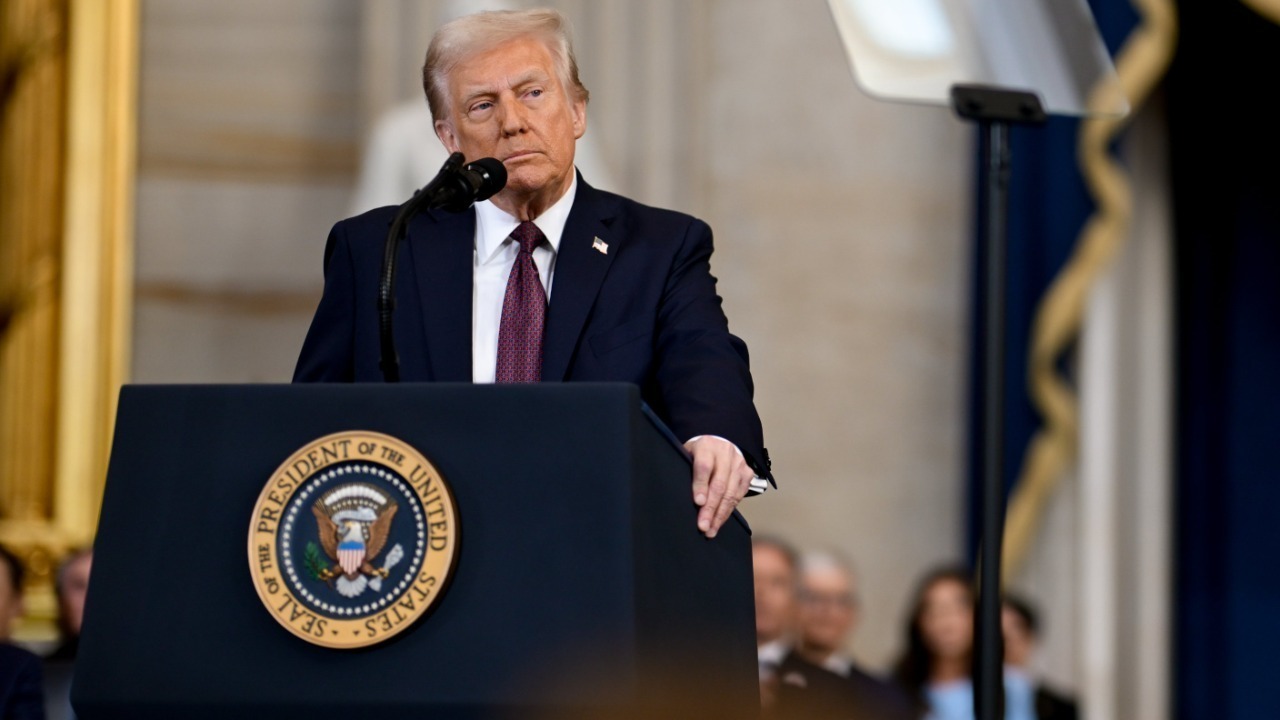
The initial 50-day truce deadline that Trump had proposed was part of a broader strategy to stabilize the region. The rationale was to give both parties ample time to negotiate terms without the immediacy of combat pressures. However, the international response was mixed, with some viewing it as a bold step towards peace, while others saw it as unrealistic given the complexities of the conflict.
By shortening the deadline to 10 days, Trump’s motivations appear to be influenced by evolving geopolitical dynamics and increased pressure from international communities seeking a swift resolution. The new deadline might be seen as an attempt to expedite negotiations and demonstrate decisive leadership. However, this rapid shift also raises questions about the feasibility and potential outcomes of such a compressed timeline.
Reactions from the International Community
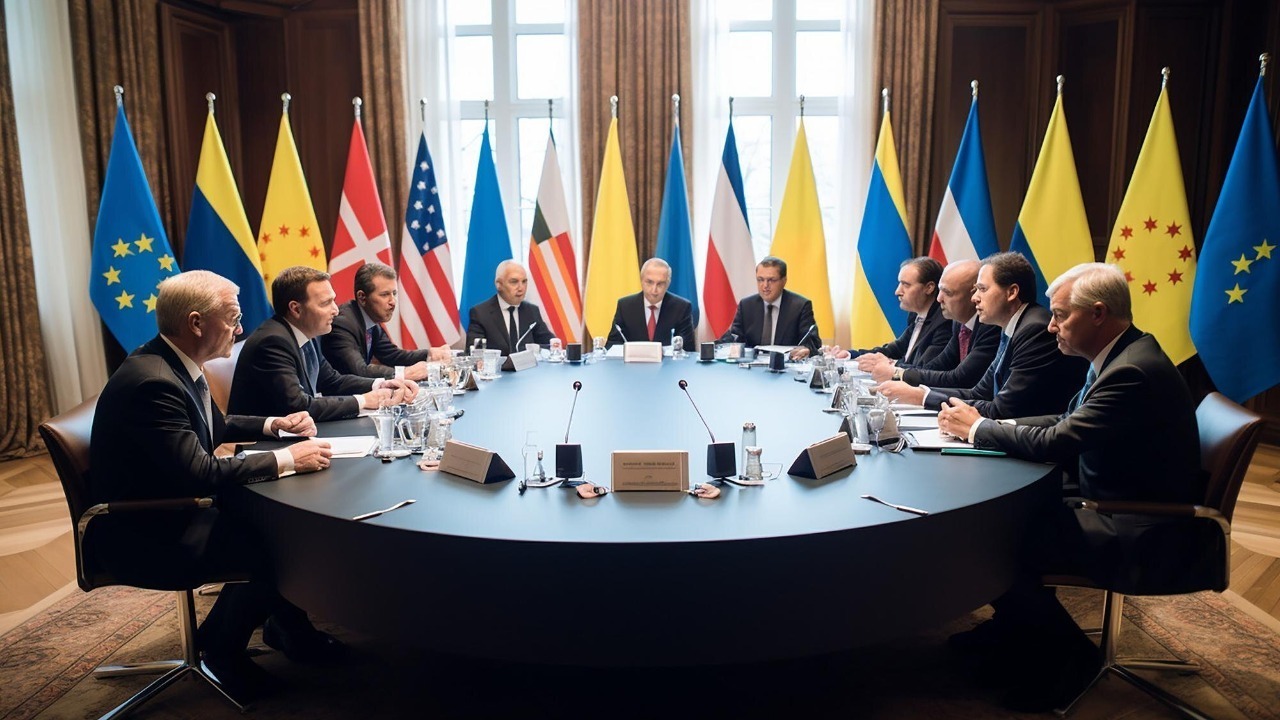
The European Union has expressed cautious optimism about the reduced deadline. While some EU leaders view it as a proactive measure that could enhance European security, others worry about the potential destabilization if the deadline is not met. The EU’s stance underscores the delicate balance between supporting peace initiatives and maintaining regional stability.
Ukraine’s response to Trump’s announcement is mixed. While some government officials appreciate the move towards peace, others are skeptical about the effectiveness of a 10-day deadline. Public opinion is divided, with some citizens hopeful for a resolution, while others fear that the deadline might not be a genuine effort to end the conflict.
Challenges and Criticisms

The feasibility of achieving a truce within such a short timeframe is highly debated. Given the complexities of the conflict, including deep-seated historical tensions and ongoing military engagements, the practicality of a 10-day deadline is questioned by many experts. The short timeframe may not allow for the comprehensive negotiations required for a sustainable peace agreement.
Political analysts have critiqued Trump’s approach for its potential to exacerbate tensions rather than alleviate them. Some experts suggest that the deadline may be more about political posturing than a genuine peace effort. This critique is compounded by the risks that such a tight deadline might undermine long-term peace efforts if it fails to produce a meaningful agreement.
Historical Context and Future Prospects
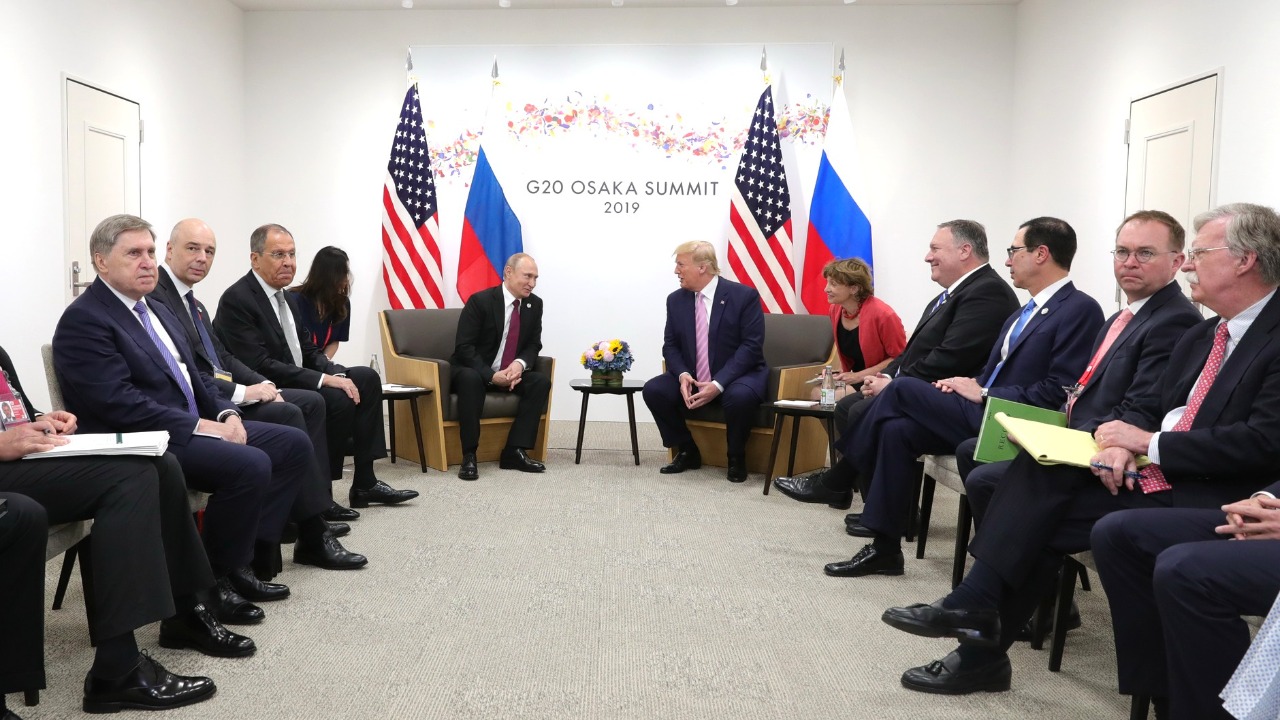
Historically, truce deadlines have been set in various international conflicts with mixed outcomes. For instance, deadlines in the Middle East have often been met with both breakthroughs and setbacks, underscoring the unpredictable nature of such initiatives. Understanding these historical precedents can provide insights into the potential success or failure of Trump’s current deadline.
Looking forward, the long-term prospects for peace between Russia and Ukraine remain uncertain. While Trump’s deadline represents a bold move, achieving lasting peace will likely require sustained international mediation and support. The role of global organizations and allies in facilitating dialogue and compromise will be crucial in any future resolution.

Grant Mercer covers market dynamics, business trends, and the economic forces driving growth across industries. His analysis connects macro movements with real-world implications for investors, entrepreneurs, and professionals. Through his work at The Daily Overview, Grant helps readers understand how markets function and where opportunities may emerge.

