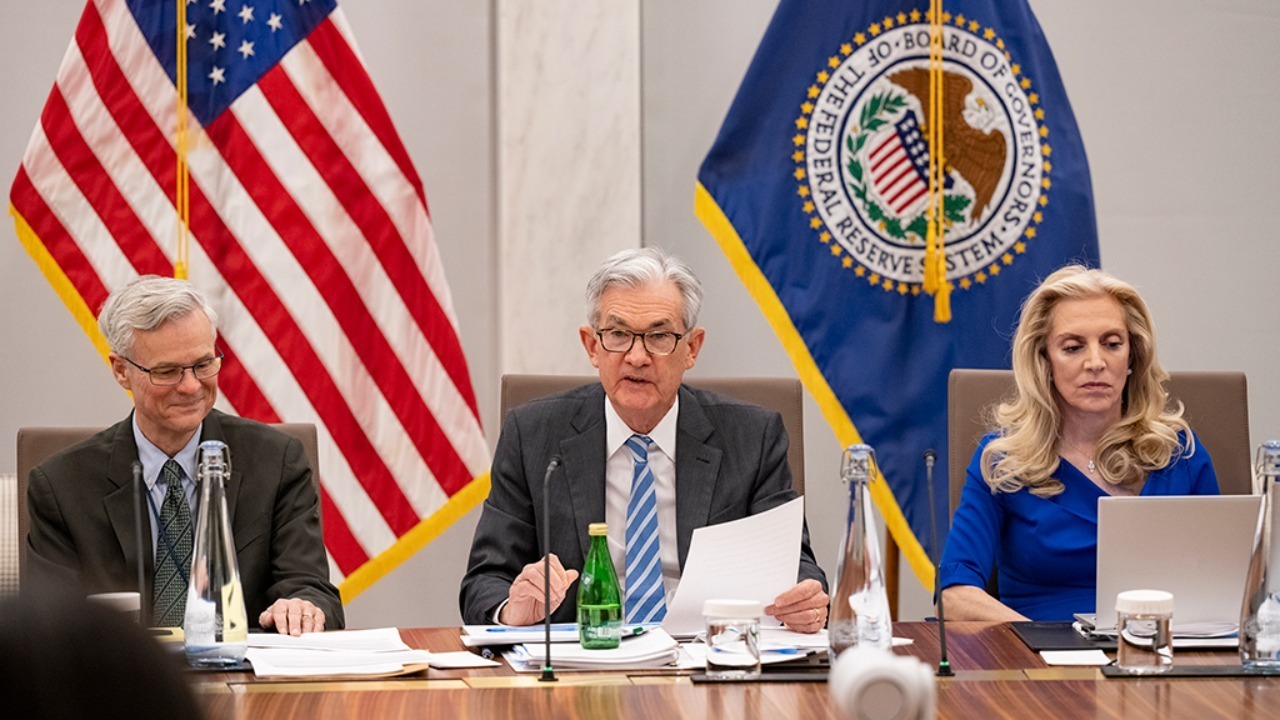
The Federal Reserve is poised to leave interest rates unchanged at its latest policy meeting, even as President Donald Trump publicly pushes for cheaper borrowing costs. For households, that standoff is not an abstract power struggle, it is the backdrop for what you will pay on mortgages, car loans, credit cards, and student debt over the next year. I will walk through how a rate pause at a high level filters into your monthly bills, and where there may still be room to save.
Why the Fed is standing firm despite Trump’s pressure
Central bank officials are signaling that they are likely to keep their benchmark rate steady, holding it near the highest level in more than a decade rather than delivering the immediate cuts President Donald Trump has urged. Despite escalating political pressure from President Donald Trump, the Federal Reserve is prioritizing its inflation and employment goals, not the White House’s desire for faster growth ahead of the next election cycle. I read this as a clear signal that the central bank wants more evidence that price pressures are contained before it risks loosening policy.
Policymakers began their latest two day gathering on interest rates with markets already expecting a pause, and reporting by Keith Griffith describes how officials are weighing whether to slow or halt the rate cutting path that investors had penciled in. One outside economist captured the mood by saying he does not expect “a whole lot of activity other than holding rates,” arguing that The Fed is now in a position where it can be patient and watch incoming data. That patience is what keeps borrowing costs elevated for now, even as households strain under higher monthly payments.
What a rate freeze means for mortgages and homebuyers
For homebuyers and homeowners, a steady Fed rate does not mean mortgage costs are frozen in place, but it does limit how much relief is likely in the near term. With interest rates still near the highest level in over a decade, analysts say the big question for 2026 is how many cuts, if any, will actually arrive, and how far borrowing costs can fall from where the federal funds rate peaked before the pandemic, according to Jan. That uncertainty feeds directly into 30 year fixed mortgage pricing, which is set in bond markets that trade on expectations of future Fed moves rather than the current level alone.
Forecasts for housing finance suggest that mortgage rates are unlikely to revisit their pandemic era lows in 2026, even if the central bank eventually trims its benchmark, but they could still drift lower and offer some relief to borrowers, according to a detailed Mortgage outlook. I see that as a cue for buyers to plan around “higher for longer” costs instead of waiting for a return to 3 percent loans that may never come back. Recent daily tracking shows how sensitive the market remains, with average mortgage quotes moving through levels like 5.2%, 5.4%, 5.6%, and 5.8% in the weeks ahead of the Federal Reserve decision, as captured in Jan. That kind of volatility means locking a rate when you see a dip can matter more than trying to time the exact day of a Fed announcement.
How your credit cards, auto loans, and personal loans are affected
Credit card borrowers feel Fed decisions quickly, because most card issuers tie their annual percentage rates to benchmarks that move in step with central bank policy. With the Fed signaling a hold, I expect variable card APRs to stay elevated, keeping balances expensive and making it harder for families to dig out of debt. One consumer finance expert quoted in Read described the prospect of stable, rather than rising, rates as “welcome news” at a time when affordability issues continue to plague families around the country, but that is a low bar when many cards still charge well above 20 percent.
Auto and personal loans respond a bit more slowly, since lenders price them off a mix of funding costs, credit risk, and competition. Analysts at S&P Global Ratings expect their ratings on most U.S. consumer, auto, and mortgage lenders to remain stable in 2026 despite a still challenging environment, pointing to resilience in household balance sheets and favorable dynamics in certain segments, according to Global Ratings. For borrowers, that stability means you are unlikely to see a sudden break in car loan or personal loan rates, but you may find more promotional offers from lenders eager to win business in a slower market, such as 0 percent financing on certain model year closeouts or cash back deals that effectively lower your cost of borrowing.
Student loans, Trump’s funding freeze, and what stays untouched
Student borrowers are caught at the intersection of Fed policy and federal budget politics, which can be confusing when headlines about freezes and pauses collide. President Donald Trump has already moved to institute a freeze on many federal grants and contracts, a step that raised alarms on campuses about whether student aid would be swept up in the effort, according to a report on the Federal Grant Freeze. That same reporting, titled Impact College Student Financial Aid, makes clear that the freeze will not affect core programs like Pell Grants or other student financial aid, which is an important distinction for families planning how to pay for college.
The White House budget office has reinforced that message, with The OMB confirming that the funding freeze does not apply to student loans and Pell Grants, since the order explicitly protects financial assistance to individuals, according to The OMB. That means the main way the current Fed stance touches student borrowers is through interest rates on new federal and private loans, which are influenced by Treasury yields and broader credit conditions rather than by any grant freeze. I read the combination of a rate hold and protected aid programs as a mixed picture: your existing federal loan terms are stable, and your grants are safe, but new borrowing is still more expensive than it was when rates were near zero.
What to watch next and how to protect your wallet
Looking ahead, the key variable for your loans is not just whether the Fed cuts, but how quickly and how far it moves once it is confident inflation is under control. Analysts tracking the central bank say interest rates are still near their cycle peak, and that the institution is at a crossroads this year as it weighs pressures from markets, the White House, and the real economy, according to The Fed. Housing specialists add that what happens at this week’s meeting could shape mortgage rate trends for months, with one forecast from Fannie Mae suggesting that 30 year mortgage rates may ease but are unlikely to collapse back to their pandemic trough.
In practical terms, I see three steps that make sense in this environment. First, if you carry a balance on a variable rate credit card, consider moving it to a fixed rate personal loan or a 0 percent balance transfer card while promotional offers are still available, since a rate freeze at a high level keeps card APRs punishing. Second, if you are shopping for a home or thinking about refinancing, watch daily mortgage moves rather than just Fed meetings, and be ready to lock when rates dip, because the kind of swings between 5.2% and 5.8% highlighted earlier can change your monthly payment by hundreds of dollars. Third, for students and parents, focus on maximizing Pell Grants and other aid that The OMB has said are shielded from President Donald Trump’s funding freeze, and borrow only what you need, since the Fed’s stance means new loans will not be cheap anytime soon.
More From TheDailyOverview
*This article was researched with the help of AI, with human editors creating the final content.

Grant Mercer covers market dynamics, business trends, and the economic forces driving growth across industries. His analysis connects macro movements with real-world implications for investors, entrepreneurs, and professionals. Through his work at The Daily Overview, Grant helps readers understand how markets function and where opportunities may emerge.

