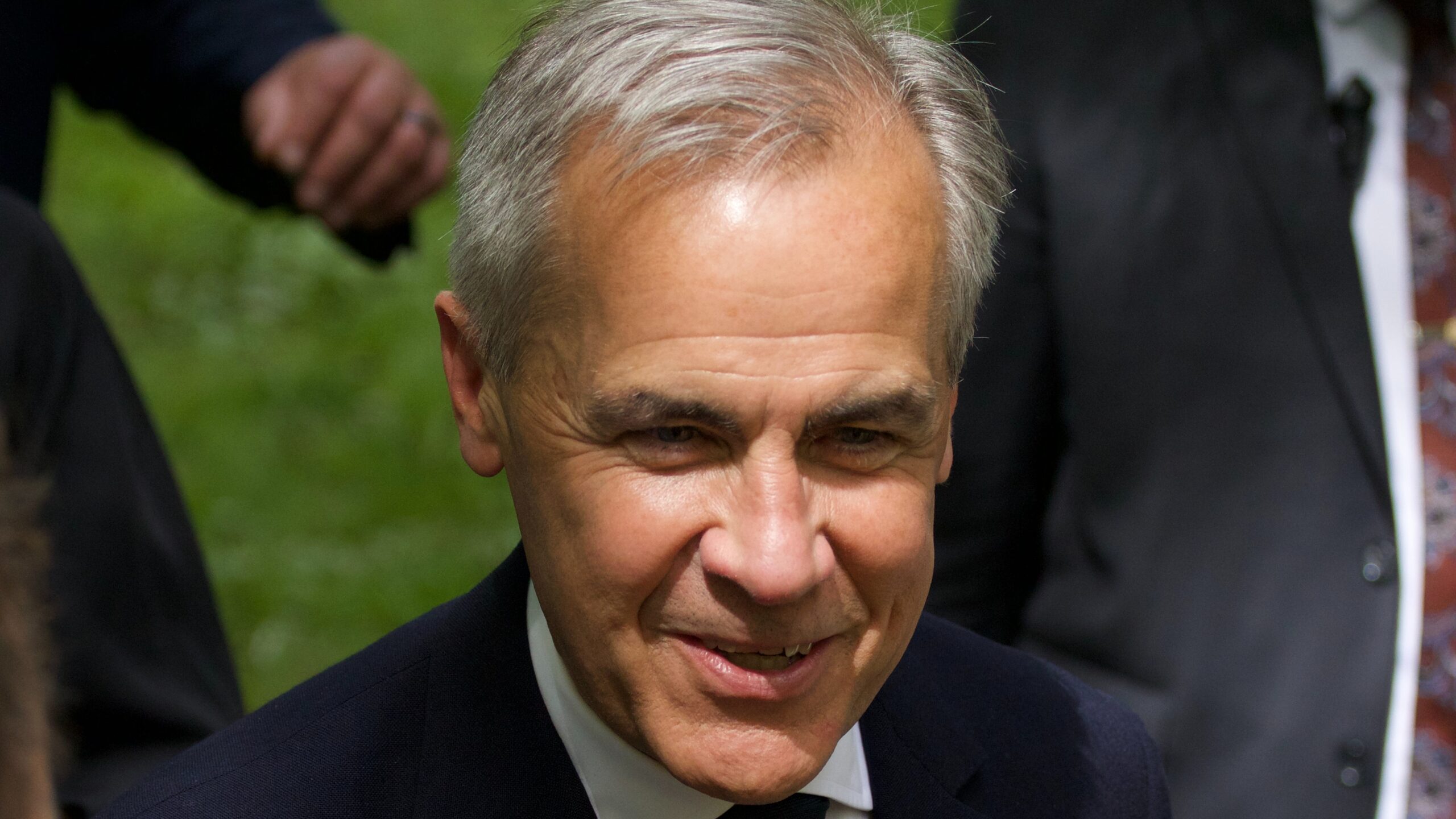
Canada’s latest trade pivot is not a quiet technocratic tweak, it is a loud signal that the country is prepared to rebalance away from its traditional anchor in Washington and toward Beijing. As President Donald Trump escalates tariffs and rhetoric against Ottawa, Canadian leaders and voters are testing how far they can lean into China without abandoning the United States altogether.
From electric vehicles to canola and energy, Prime Minister Mark Carney is turning a decade of frozen ties into a “new strategic partnership” with Beijing, even as polls show Canadian trust in the U.S. sliding and curiosity about China rising. The result is a rare moment when a close American ally is openly weighing whether its future prosperity is safer in a world shaped by Washington or by Beijing.
Trump’s pressure campaign backfires in Ottawa
President Trump has spent months framing Canada less as a neighbour and more as a trade rival, using tariffs and threats against Canadian sovereignty to force concessions. Reporting on his approach describes how Trump’s tariffs on Canadian goods and repeated warnings about national security have infuriated Canadians, hardening public opinion against Washington instead of softening Ottawa’s stance. A Pew Research Center poll cited in that reporting found that Canadian views of the U.S. have deteriorated as Trump’s trade war has intensified, underscoring how economic coercion is bleeding into broader distrust.
The irony is that Trump himself has now publicly urged Canada to look to Beijing for relief. In remarks highlighted by Jan reporting, he said that if Ottawa can secure a deal with China, it “should do that,” effectively inviting a neighbour to deepen ties with a strategic competitor even as he insists his tariffs serve only American interests. That message, relayed in coverage by Julia Manchester at The Hill, has landed in Ottawa as both provocation and permission. When I look at the sequence, Trump’s protectionist push has not isolated China, it has opened a lane for Beijing to court a U.S. ally that feels taken for granted.
Carney’s Beijing gamble and the “new strategic partnership”
Prime Minister Mark Carney has seized that opening with unusual speed. In Beijing, he announced that “Canada and China Will Lower Some Tariffs” in what both sides are calling a “New Strategic Partnership,” a package that includes slashing duties on Chinese electric vehicles and Canadian agricultural exports. Coverage of the deal notes that Canada and China as part of this reset, a concrete sign that the diplomatic chill since 2017 is thawing. Carney is the first Canadian PM to visit China since that year, and he has framed the trip as a way to rebuild ties and find new markets to offset U.S. pressure.
The details are striking. Canada will initially allow in up to 49,000 Chinese electric vehicles at a tariff of 6.1% on most-favoured-nation terms, according to Carney, while Beijing cuts duties on Canadian canola and other exports. Reporting on the visit stresses that Carney is the to make such a trip in nearly a decade, and that the deals were signed during Carney’s visit to Beijing. In parallel, Canada’s Carney has hailed warmer ties with China and signed an energy pact, with Canada, Carney, China Canadian Prime Minister Mark Carney all foregrounded as central actors in a reset pitched as stabilising “at a time of global division and disorder.”
China’s pitch: break from U.S. influence, embrace Beijing
Beijing has not been shy about the geopolitical stakes. During Carney’s trip, Chinese officials urged Canada to “break from U.S. influence” and warned that Washington’s pressure would erode a longstanding relationship if Ottawa did not diversify. Coverage from Beijing notes that China urges Canada to move beyond its traditional alignment, framing Carney’s presence in Beijing as proof that Ottawa is ready to listen. The same report highlights that this is part of a broader World Jan narrative in which Beijing courts U.S. partners frustrated with Washington’s unilateral tariffs.
Carney’s own rhetoric has edged in that direction. In an opinion piece dissected as “Carney’s Beijing Visit Significance But emerging now is much more than rhetoric and polite verbiage,” analysts argue that his January 2026 landmark speech signalled a desire for Canada to stop being a “fragmented satellite” of the U.S. and instead act as a more autonomous middle power. That framing, captured in the phrase Carney, Beijing Visit, suggests that the trade deals are not just about EVs and canola, they are about loosening the gravitational pull of Washington. When I connect these dots, China’s message and Carney’s ambitions are converging on a shared project: a Canada that is still Western, but less reflexively American.
Canadian public opinion tilts away from the U.S.
Policy shifts like these rarely stick without some public backing, and here too the ground is moving. A Pew Research Center survey reported by Canadian media found that the share of Canadians who see the U.S. as the more important partner for economic ties has fallen, while the share who prefer China has risen. One report notes that Pew Research Center survey found the share of Canadians who said the U.S. was more important for economic ties had dropped, narrowing the gap with those who prefer China. Another poll-based analysis of Canadian views of China describes how, when presented with a number of global options, respondents show “Economic engagement” that tells a parallel story of restraint with curiosity, with Related, Economic, When used to frame the finding that 23% see China as a friend or ally.
Other polling paints the same picture in starker colours. A BBC feature on Trump’s impact in Canada describes “A shift in how Canadians see the US,” noting that While the relationship has had its ups and downs, many Canadians now say they feel less warmly toward their southern neighbour and are travelling there less often. That piece highlights that Canadians, While the are increasingly open to China, with 34% expressing a favourable view compared with a declining share for the U.S. A broader global analysis of attitudes notes that views of the U.S. have worsened while opinions of China have improved in many surveyed countries, using a median-based method to show that, in some places, favourable views of Washington are at their lowest point since 2018, as captured in the explanation of What is a. Canada is not alone, but its shift matters more because of how tightly its economy is bound to the U.S.
EVs, canola and the auto war: Washington’s mixed signals
Nowhere is the new triangle between Ottawa, Washington and Beijing more visible than in the electric vehicle market. Under the new partnership, Canada will allow tens of thousands of Chinese EVs into its market at reduced tariffs, while China opens its doors wider to Canadian canola. That has triggered a sharp response from Washington, with U.S. Trade Representative Jamieson Greer warning that Canada’s decision to allow imported Chinese EVs is “problematic” and that Ottawa will regret it. In one account, Trade Representative Jamieson is quoted saying that the limited number of vehicles might not immediately hurt American car companies exporting cars to Canada, but that Chinese firms could use Canada as a back door to the U.S. market.
More From TheDailyOverview

Grant Mercer covers market dynamics, business trends, and the economic forces driving growth across industries. His analysis connects macro movements with real-world implications for investors, entrepreneurs, and professionals. Through his work at The Daily Overview, Grant helps readers understand how markets function and where opportunities may emerge.

