
Federal courts across the United States have reached a critical juncture as they run out of money due to the ongoing government shutdown. This financial exhaustion has forced the courts to operate on a limited basis until the shutdown concludes. As the situation persists, courts are preparing to implement furloughs, which could lead to significant delays in judicial proceedings nationwide. The looming threat of a complete funding depletion has been a concern since early October 2025, when initial warnings were issued as the shutdown continued without resolution.
Timeline of the Shutdown’s Impact on Courts
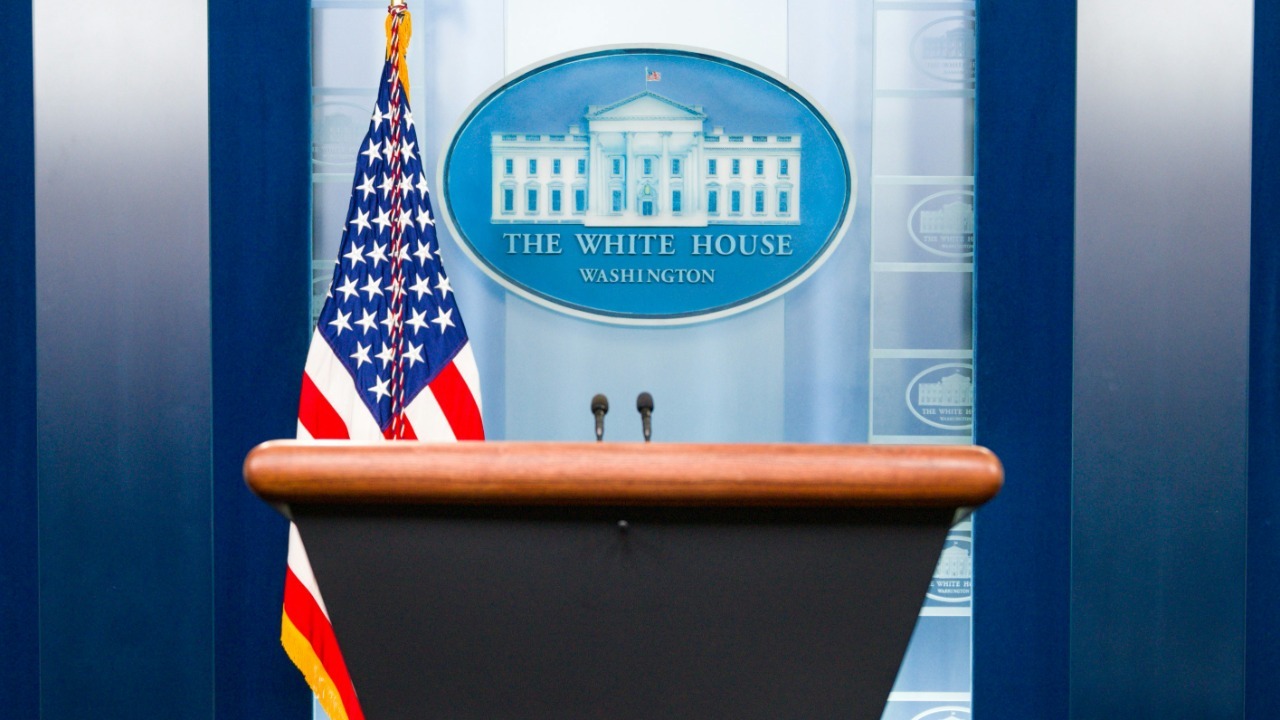
The government shutdown, which began on October 1, 2025, immediately raised alarms about the financial stability of federal courts. Early warnings indicated that the courts would soon face a funding crisis if the shutdown persisted. By October 17, 2025, these warnings materialized as federal courts officially ran out of money, necessitating a shift to limited operations. This transition marked a significant escalation in the shutdown’s impact on the judiciary, highlighting the urgent need for a resolution to restore full functionality to the courts.
As the shutdown dragged on, the situation worsened, prompting federal courts to announce plans for furloughs. These furloughs are set to affect non-essential court personnel, further straining the judiciary’s ability to manage its caseload effectively. The decision to implement furloughs underscores the severe financial constraints facing the courts and the broader implications for the justice system if the shutdown continues without a resolution.
Immediate Operational Changes in Federal Courts

With the exhaustion of funds, federal courts have been forced to restrict their operations significantly. Only essential activities are being maintained, with no new expenditures allowed beyond what is absolutely necessary. This shift to limited operations reflects the dire financial situation and the need to conserve resources until the shutdown ends. The courts’ ability to function effectively is now severely compromised, impacting their capacity to handle cases promptly.
The start of furloughs for non-essential court personnel marks a critical turning point in the shutdown’s impact on the judiciary. As federal courts run out of money, these furloughs are a necessary measure to manage the financial shortfall. The furloughs will affect court staff nationwide, further complicating the courts’ ability to operate efficiently and exacerbating the backlog of cases awaiting resolution.
Nationwide, US courts are preparing to implement furloughs due to the ongoing shutdown. This move highlights the widespread effects of the funding crisis on the judiciary and the potential for significant delays in judicial proceedings. The furloughs are a direct consequence of the shutdown’s lingering effects, underscoring the urgent need for a resolution to restore full funding to the courts.
Threats to Judicial Proceedings and Delays

The potential for widespread delays in federal court cases is a significant concern as funding runs out amid the government shutdown. The lack of financial resources threatens to disrupt the timely resolution of cases, impacting individuals and businesses relying on the courts for justice. The shutdown’s persistence since early October 2025 has positioned the courts to soon exhaust all funds, exacerbating the risk of backlogs and further delays in judicial proceedings.
Examples of halted non-essential activities, such as deferred maintenance and reduced administrative support, illustrate the tangible effects of the funding crisis on the judiciary. These disruptions are a direct result of the financial constraints imposed by the shutdown, highlighting the broader implications for the justice system if the situation remains unresolved. The inability to perform routine maintenance and provide adequate administrative support further complicates the courts’ ability to function effectively.
Broader Effects on the Justice System
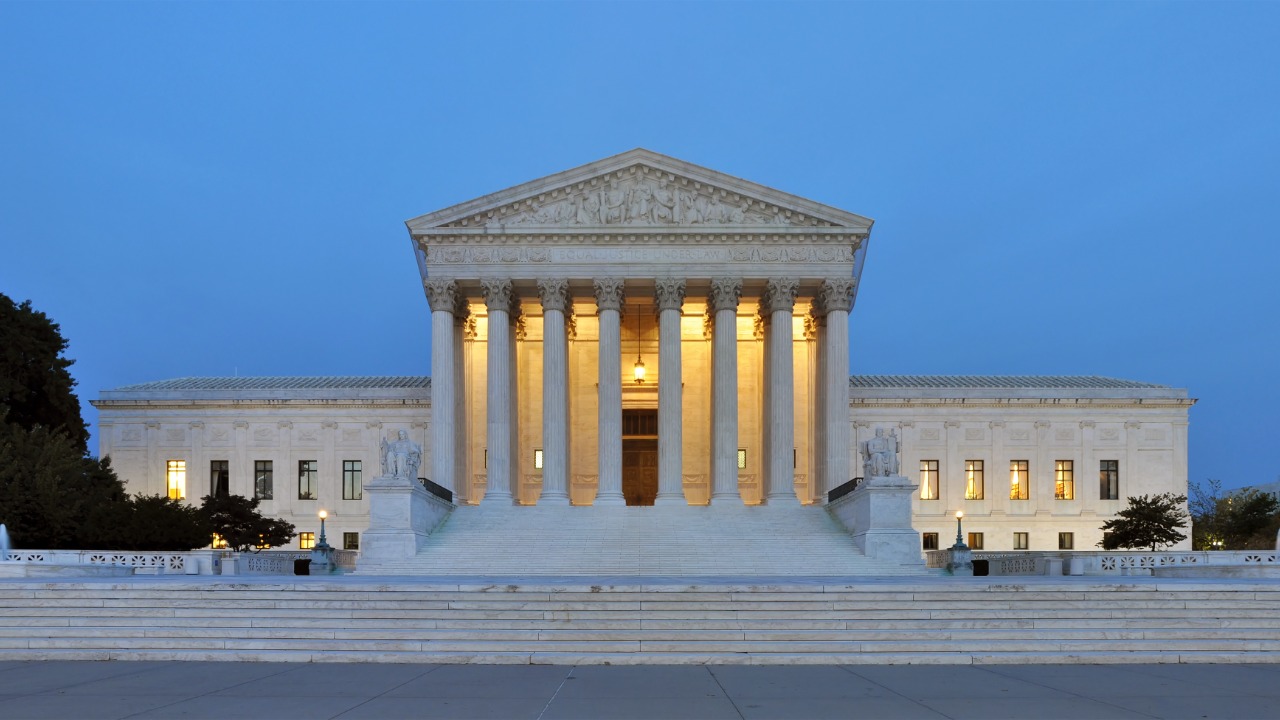
The federal courts’ money shortage poses a significant threat to access to justice nationwide as the shutdown continues. The inability to operate at full capacity undermines the judiciary’s role in upholding the rule of law and ensuring timely justice for all. The financial constraints facing the courts highlight the broader impact of the shutdown on the justice system and the urgent need for a resolution to restore full funding and functionality.
The impact on court staff and operations is profound, with furloughs beginning as US courts run out of money. These furloughs affect the courts’ ability to manage their caseload effectively, further straining the judiciary’s resources and complicating the resolution of cases. The financial crisis facing the courts underscores the need for a swift resolution to the shutdown to prevent further disruptions to the justice system.
Federal courts are now operating in a limited mode until the shutdown ends, a direct consequence of the funding depletion reported on October 17, 2025. This restricted operational capacity highlights the severe financial constraints facing the judiciary and the broader implications for the justice system if the shutdown continues. The need for a resolution is urgent to restore full functionality to the courts and ensure access to justice for all.
For more information, you can read the full reports from Axios, Yahoo News, NerdWallet, Good Morning America, and The New York Times.

Grant Mercer covers market dynamics, business trends, and the economic forces driving growth across industries. His analysis connects macro movements with real-world implications for investors, entrepreneurs, and professionals. Through his work at The Daily Overview, Grant helps readers understand how markets function and where opportunities may emerge.