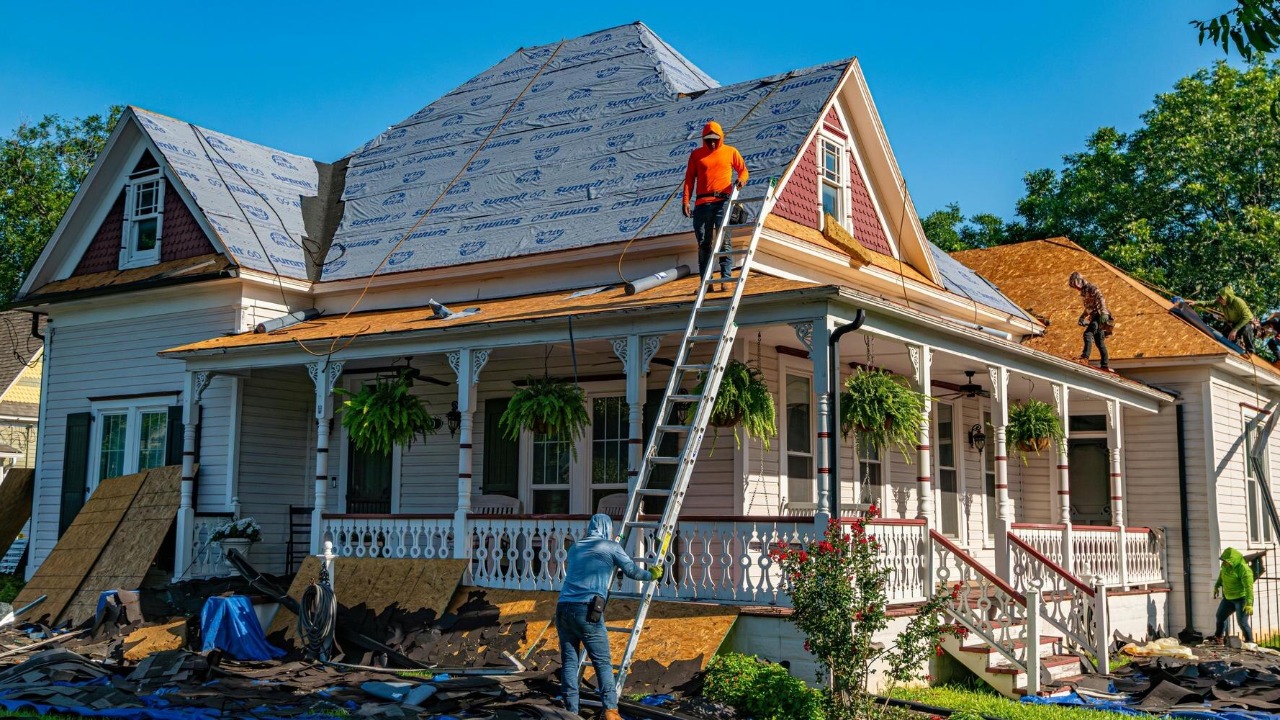
Fixer-upper homes used to be the scrappy underdogs of the housing market, the listings buyers scrolled past before landing on something turnkey. Now they are at the center of a quiet reset, as stretched budgets and thin inventory push more shoppers to consider properties that need work. Instead of sitting untouched, these imperfect houses are increasingly where the action is, reshaping who can buy, what they are willing to live with, and how they plan to build wealth.
The shift is not about a sudden love of peeling paint or outdated kitchens. It is about buyers recalibrating expectations in a market where move-in-ready homes remain expensive and scarce. As more people trade granite countertops for “good bones,” the fixer-upper segment is turning into a pressure valve for affordability, even as it exposes new fault lines in financing, construction capacity, and neighborhood change.
The surprising momentum behind fixer-uppers
I see the current wave of interest in fixer-uppers as a reaction to two forces colliding: stubbornly high prices for polished homes and a generation of buyers unwilling to sit out homeownership altogether. Instead of waiting for a perfect listing, more shoppers are targeting properties that need repairs, betting that sweat equity will beat renting in the long run. Reporting on buyer behavior shows that these homes are no longer fringe options but a mainstream path into the market, especially for people who feel locked out of newer subdivisions and fully renovated condos.
Evidence of that shift shows up in the volume of listings and the way buyers talk about them. One analysis counted exactly 79,175 fixer-uppers on the market nationwide, a figure framed as a sign of opportunity rather than oversupply. That same reporting described how the chance to build “sweat equity” is making these properties more alluring, not less, especially as buyers compare the upfront discount on a dated house with the long-term cost of paying top dollar for something already renovated.
From fringe option to mainstream strategy
What used to be a niche strategy for investors and contractors is now showing up in everyday search filters. I hear more first-time buyers talk about “looking for potential” instead of insisting on move-in-ready, a subtle but important change in mindset. Instead of treating fixer-uppers as last-resort choices, they are building them into their plans from the start, lining up contractors, pricing out materials, and accepting that the first year of ownership might look more like a project than a lifestyle upgrade.
Consumer-focused reporting backs up that anecdotal shift, noting that homebuyers are taking another look at properties that need work because they offer a way around high list prices and bidding wars. Instead of being scared off by older roofs or dated bathrooms, shoppers are weighing those flaws against the chance to get into a neighborhood they like or a school district they could not otherwise afford. That reframing turns cosmetic problems into bargaining chips, and it helps explain why these homes are attracting more serious attention than in past cycles.
Why buyers are trading polish for potential
At the heart of the fixer-upper trend is a simple tradeoff: accept imperfections now in exchange for a lower purchase price and the possibility of future gains. I see buyers running that calculation in very practical terms, comparing monthly payments on a cheaper, older house with the cost of renting or stretching for a fully updated property. For many, the math favors the fixer, especially when they factor in the ability to spread renovations over time instead of absorbing all the costs upfront.
Mortgage specialists describe this as a conscious choice to swap “polished finishes” for long-term upside, noting that buyers are trading polished finishes for potential in order to make ownership possible. Written guidance from experts such as Susan Richwine emphasizes that not every home is move-in ready and that most properties, even new ones, will need updates over time. Framed that way, choosing a fixer is less about settling and more about acknowledging that every house is a work in progress, so it might make sense to start with a lower price and invest gradually.
The affordability squeeze behind the shift
Affordability is the quiet engine driving much of this behavior. I see households confronting a landscape where mortgage rates remain elevated compared with the ultra-low era, while wages have not kept pace with the jump in home prices. In that environment, the gap between a turnkey listing and a fixer-upper can be the difference between buying and staying a renter, especially in metro areas where entry-level inventory is thin.
Reports on buyer behavior describe fixer-uppers as a way to secure “significant upfront savings” in exchange for taking on projects, a trade that resonates with shoppers who have more time and energy than cash. One analysis notes that these homes are scarcer, but still attractive precisely because they allow buyers to trade immediate comfort for a lower purchase price. That framing helps explain why demand can rise even when the number of available fixer-uppers is not exploding: the buyers who do find them are more motivated, and they are willing to accept imperfections that might have been dealbreakers in a softer market.
How inventory and scarcity shape buyer behavior
One of the more counterintuitive dynamics I see is that fixer-uppers can feel both plentiful and scarce at the same time. The raw count of 79,175 listings signals a meaningful pool of opportunities, yet in many local markets, the specific kind of fixer buyers want, a structurally sound house in a decent location with cosmetic issues, is harder to find. That mismatch pushes shoppers to move quickly when a promising property appears, even if it means compromising on layout or commute time.
Reporting that describes these homes as “scarcer, but still attractive” captures that tension, highlighting how limited supply can actually intensify interest rather than dampen it. Buyers who might once have waited for a fully updated listing are now more likely to jump on a fixer that checks most of their boxes, knowing that similar options may not appear for months. In practice, that can mean more competition for the best-located projects, even as less desirable properties linger, creating a patchwork market where some fixer-uppers draw multiple offers while others sit.
Financing, renovation loans, and the cost of sweat equity
Turning a fixer-upper from rough draft to finished home depends heavily on financing, and I see that as one of the most underappreciated fault lines in this trend. Traditional mortgages are designed for properties that meet certain livability standards, which can complicate deals for homes with serious structural or safety issues. To bridge that gap, buyers are increasingly looking at renovation-focused products that roll repair costs into the loan, but those options come with their own rules, inspections, and timelines.
Guidance from mortgage professionals emphasizes that buyers need to understand how renovation loans work before they fall in love with a project house. Articles explaining why fixer-uppers are heating up the market also stress the importance of realistic budgets and contingency funds, since material and labor costs can shift between offer and closing. For buyers, the promise of sweat equity only holds if the total cost of acquisition plus renovation stays within reach, which makes careful planning and lender coordination as critical as the search itself.
Who is actually buying the fixers
Although fixer-uppers have a reputation as playgrounds for seasoned investors, the current wave of interest reaches far beyond professional flippers. I see a mix of first-time buyers, move-up families, and small-scale investors all competing for the same pool of properties, each with different goals and risk tolerance. First-timers often focus on livable homes with cosmetic issues, while investors may be more willing to tackle structural problems if the numbers work.
Consumer reporting that tracks how homebuyers are taking another look at these properties notes that the appeal cuts across age and income brackets. Younger buyers see fixers as a way to break into neighborhoods they grew up in but could not otherwise afford, while older owners sometimes downsize into smaller projects they can customize for accessibility or multigenerational living. That diversity of demand helps explain why the segment is so resilient: even if one group pulls back, others are ready to step in.
Risks, surprises, and the reality behind the romance
For all the optimism around sweat equity, I find that the reality of owning a fixer-upper often looks less like a glossy before-and-after montage and more like a series of budget meetings and contractor calls. Hidden problems behind walls, outdated electrical systems, or unpermitted additions can quickly erode the savings buyers thought they were locking in at closing. Those risks are not a reason to avoid fixers altogether, but they do demand a level of due diligence that some first-time buyers underestimate.
Expert commentary on why these homes are heating up the market often includes a caution that buyers should budget for inspections, contingencies, and the possibility that projects will take longer and cost more than expected. In practice, that means building in financial buffers, prioritizing safety and structural work before cosmetic upgrades, and being prepared to live with half-finished spaces for a while. The buyers who navigate this well tend to be those who treat renovation as a multi-year plan rather than a quick flip, aligning their expectations with the slow, sometimes messy process of turning a fixer into a long-term home.
What this shift signals for the broader housing market
When I step back from the individual stories and look at the pattern, the growing embrace of fixer-uppers reads like a referendum on the broader housing system. Buyers are signaling that they are willing to compromise on condition, location, and convenience, but not on the goal of ownership itself. That determination is reshaping demand, pulling attention toward older housing stock and away from the idea that only new or fully renovated homes are worth considering.
Analyses that highlight the rising demand for fixer-uppers frame this as a structural adjustment rather than a passing fad. As long as move-in-ready homes remain expensive and scarce, and as long as buyers believe they can capture value by improving older properties, the fixer segment is likely to stay central to how Americans buy and build wealth through housing. That does not mean every project will be a success, but it does mean that the market’s rougher edges are no longer on the sidelines. They are where a growing share of the real action is happening.
More From TheDailyOverview

Elias Broderick specializes in residential and commercial real estate, with a focus on market cycles, property fundamentals, and investment strategy. His writing translates complex housing and development trends into clear insights for both new and experienced investors. At The Daily Overview, Elias explores how real estate fits into long-term wealth planning.

