PepsiCo’s decision to close two Frito‑Lay plants in Florida has jolted one of the country’s most competitive snack markets, stripping hundreds of manufacturing jobs out of the Orlando area and reshaping a regional supply chain that has quietly powered grocery aisles for years. The move amounts to a major economic blow for the communities that grew up around these facilities, even as the company chases efficiency and cost savings in a tougher consumer environment. I see a story here that is less about a single corporate announcement and more about how a global brand recalibrates its footprint at the expense of local stability.
While the headline figure of a $250 million hit reflects the scale of disruption implied by losing two large industrial employers, the exact dollar impact is unverified based on available sources. What is clear from the reporting is that the closures will ripple through wages, nearby “Village” shops, and regional logistics networks, with hundreds of workers and their families absorbing the shock first.
The Florida closures and what Pepsi is really changing
PepsiCo has confirmed that it is shutting down two Frito‑Lay manufacturing and warehouse facilities in Orlando, a consolidation that pulls a key snack production hub out of central Florida. I view this as a strategic retreat from older plants rather than a retreat from the state’s snack market itself, since the company can still serve Florida through other locations and third‑party logistics. The closures are not a minor tweak: they involve full manufacturing and warehouse operations that have long supplied retailers across the region.
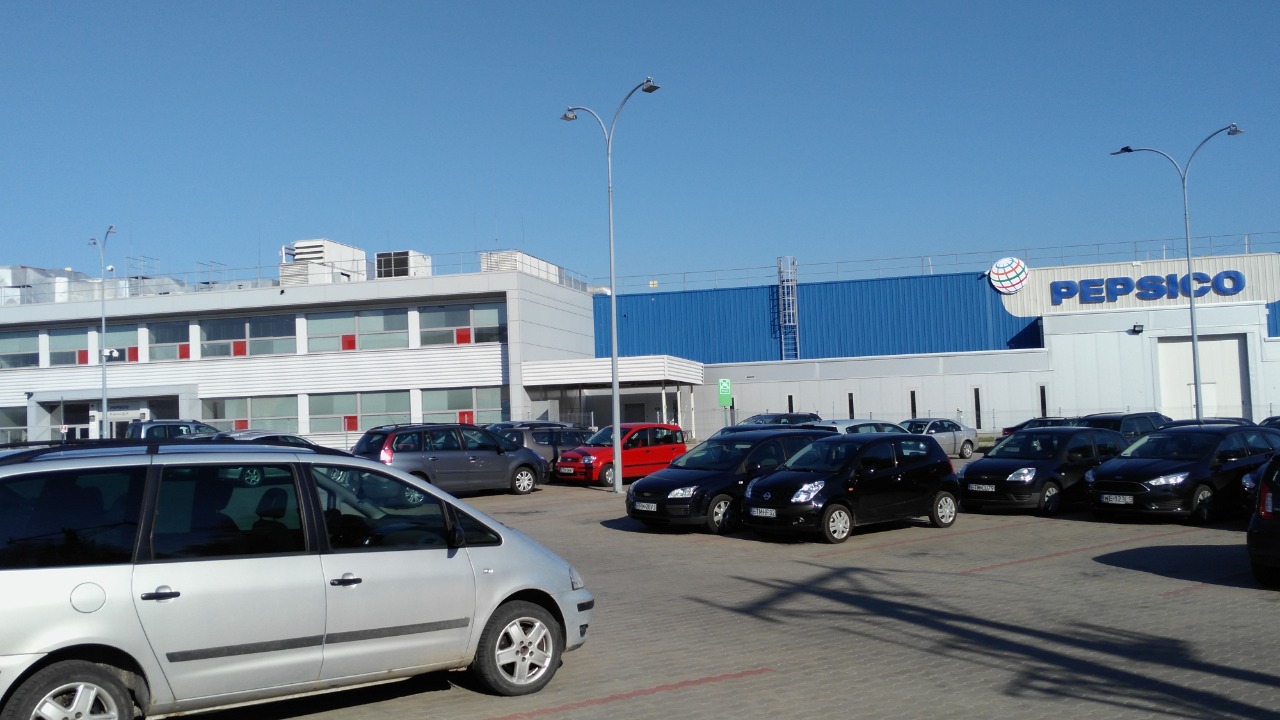
Reporting indicates that Pepsi, trading under the ticker PEP, is closing two Orlando Frito‑Lay Facilities, described as Frito‑Lay manufacturing facilities in Orlando that will no longer operate as part of the company’s network. Additional coverage notes that PepsiCo has announced plans to close two Frito Lay Orlando sites in the USA, combining both manufacturing and warehouse functions. Together, these accounts confirm that the company is not just trimming shifts or pausing lines, it is exiting two full facilities that once anchored its Florida snack production.
Hundreds of jobs on the line and a community bracing for impact
The most immediate consequence of the closures is the loss of hundreds of jobs, a hit that lands hardest on workers who have limited options to transfer or “bump” into other roles. I see this as a classic example of how a corporate restructuring can look clean on a balance sheet but messy on the ground, where families must suddenly rethink mortgages, childcare, and commutes. The Orlando plants have been more than just workplaces; they have functioned as economic anchors for nearby neighborhoods and small businesses.
Coverage of the restructuring notes that hundreds of workers are affected as PepsiCo undertakes a plan driven by shifting consumer preferences and persistent inflation, with the company acknowledging that shifting consumer preferences and economic uncertainty have slowed sales and forced tough choices. Separate reporting specifies that Pepsi is closing two Orlando Frito Lay Facilities and that some workers do not have bumping rights, meaning they cannot displace others to keep a job. Another account states that PepsiCo will shutter 2 Frito‑Lay facilities in Florida and lay off 500 workers, underscoring that 500 layoffs are tied directly to this decision. For a labor market that still feels tight in many service sectors but less forgiving in specialized manufacturing, that is a sizable shock.
Why PepsiCo is pulling back: demand shifts and cost pressure
Behind the closures sits a broader recalibration of PepsiCo’s snack business, which is confronting slower growth in some traditional categories and higher costs across the board. I read the Florida pullback as part of a larger effort to streamline production, reduce overlapping capacity, and respond to consumers who are buying differently than they did a few years ago. When a company of this scale closes multiple plants, it is usually chasing structural savings rather than a short‑term fix.
Reporting on the restructuring notes that, as of Nov 13, 2025, Pepsi has been wrestling with persistent inflation and economic uncertainty, with shifting consumer preferences slowing sales and prompting a restructuring plan. Another source, dated Nov 7, 2025, explains that PepsiCo plans to Shutter Two Florida Frito Lay Facilities, indicating that the company is consolidating operations and may later reuse or re‑tenant the space. A separate analysis of PepsiCo closing 3 Frito‑Lay factories quotes CEO Fachner saying the company expects annualized savings of approximately 15 million dollars from plant closures, with CEO Fachner explicitly tying closures to cost savings. Taken together, these details show a company under pressure to protect margins, even if that means walking away from long‑standing facilities.
Local fallout: “Village” shops and neighborhood economies
For the communities around the Orlando plants, the closures are not an abstract corporate maneuver but a direct threat to local commerce. When hundreds of paychecks disappear, nearby restaurants, gas stations, and small retailers lose regular customers, and that secondary shock can be as painful as the initial layoffs. I see this as the quiet part of industrial restructuring, the part that rarely shows up in earnings calls but defines how residents experience the change.
Local reaction captured in social media reporting highlights that “Village shops will suffer,” with one account warning that it will impact all of the businesses because “that’s a lot of people laid off in a small town,” in reference to PepsiCo Foods U.S. closing its Orlando plant’s manufacturing and warehouse operations. That sentiment, tied to a post dated Nov 4, 2025, underscores how Village shops and other small businesses see the plants as lifelines. When combined with the confirmed 500 layoffs and the loss of two Frito‑Lay facilities in Orlando, the picture that emerges is one of a local economy bracing for a cascading downturn, even if the precise dollar value of that downturn remains unverified based on available sources.
A Florida snack hub redefined, with unanswered questions
Stepping back, the closures mark a turning point for Florida’s role in PepsiCo’s snack manufacturing network. The state will still be a major market for chips and other Frito‑Lay products, but it will no longer host the same level of production and warehousing that once sat in Orlando. I see this as a shift from being a manufacturing hub to being primarily a consumption market, supplied from a leaner, more geographically dispersed system.
Multiple reports, including those dated Nov 7, 2025 and Nov 11, 2025, confirm that PepsiCo will shutter 2 Frito Lay facilities in Florida and that the company has announced plans in the USA to close two Frito Lay Orlando sites, describing the decision as difficult. Another account reiterates that Pepsi is closing two Orlando Frito Lay Facilities as part of a broader restructuring. Yet none of the available sources quantify the total economic loss in dollar terms, which is why any specific figure, including the 250 million dollar hit implied by the headline, remains unverified based on available sources. What is verified is the scale of the operational retreat, the 500 jobs at stake, and the clear signal that PepsiCo is willing to trade local economic stability for corporate flexibility as it navigates a more volatile consumer landscape.
More From TheDailyOverview
- Dave Ramsey warns to stop 401(k) contributions
- 11 night jobs you can do from home (not exciting but steady)
- Small U.S. cities ready to boom next
- 19 things boomers should never sell no matter what

Grant Mercer covers market dynamics, business trends, and the economic forces driving growth across industries. His analysis connects macro movements with real-world implications for investors, entrepreneurs, and professionals. Through his work at The Daily Overview, Grant helps readers understand how markets function and where opportunities may emerge.