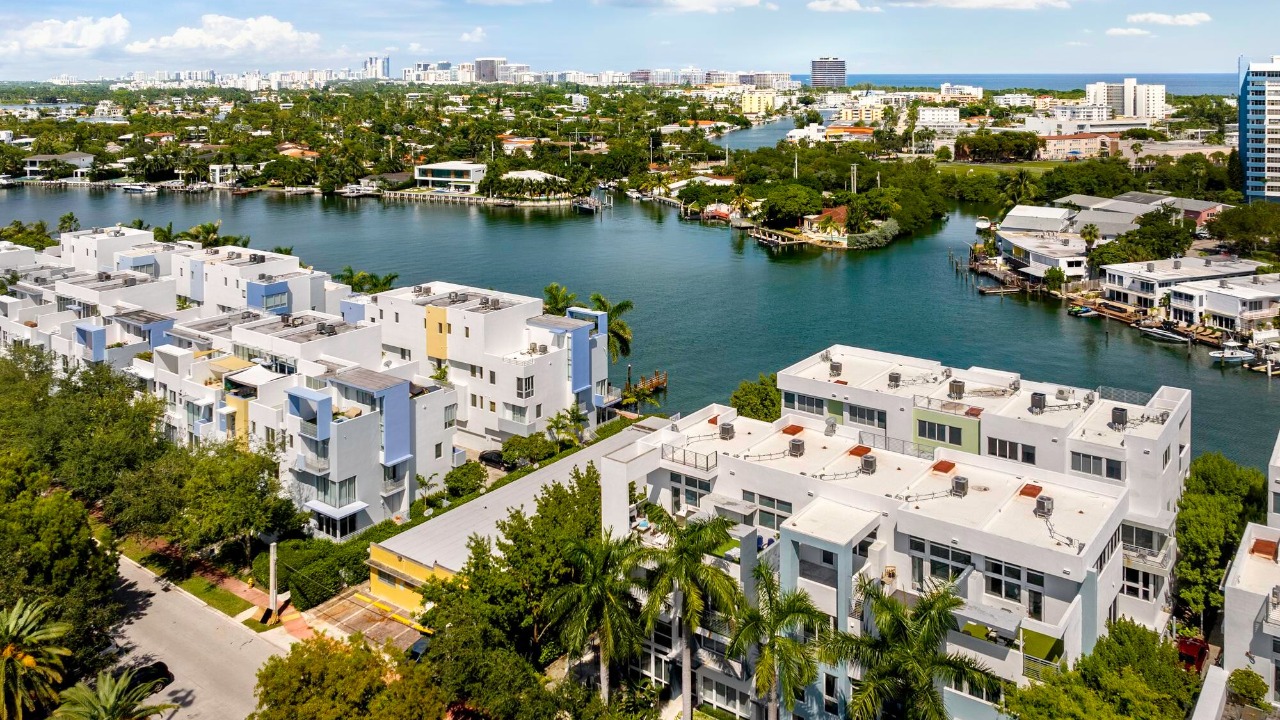
Across Florida, a growing slice of homeowners now owe more on their mortgages than their houses would fetch on the open market. They are boxed in by higher rates, cooling prices and rising insurance costs, unable to sell without writing a painful check and struggling to keep up with payments in homes they no longer see as a financial anchor.
The state’s boom-and-bust housing DNA is colliding with a national pullback in home equity, leaving some Floridians effectively trapped in place while their monthly bills climb. I set out to trace how that squeeze is playing out on the ground, what it means for local markets and which lifelines actually exist for owners who feel like they are sinking.
The new face of “underwater” in Florida
Negative equity is no longer a relic of the last crash, it is quietly returning as a defining risk for today’s stretched buyers. National data show that Negative equity is rising again as affordability erodes, with borrowers who bought near the recent peak now seeing paper losses instead of gains. In practical terms, that means a family that scraped together a down payment in 2022 or 2023 can wake up today to find that selling would not clear the loan, let alone cover closing costs.
Florida is especially exposed because so much of its recent demand came from newcomers chasing pandemic-era bargains and sunshine. Earlier research found that Nearly one in four American homeowners were underwater in a previous downturn, and the metros with the biggest debt and housing problems included several in the state. Today, that history is echoing in places where prices have flattened or slipped while taxes and insurance keep climbing, turning what looked like a safe bet into a leveraged gamble.
Where the squeeze is sharpest
The pain is not spread evenly across Florida’s map. On the Gulf Coast, Just an hour apart on Florida’s Gulf Coast, markets like Cape Coral have been branded as “America’s worst housing market,” a place where a meaningful share of owners already owe more than their property is worth. That kind of label is not just a punchline, it is a signal that local sellers are being forced to cut prices while still staring at oversized mortgage balances.
Elsewhere, the story is more about slow erosion than sudden collapse. In central Florida, cities such as Lakeland and coastal hubs like Palm Bay saw rapid appreciation during the boom, which magnified the risk for anyone who bought at the top. In larger metros such as Jacksonville and Tampa, the issue is compounded by higher property taxes and insurance premiums that eat into household budgets even when values hold steady.
From paper loss to foreclosure risk
Being underwater is not just a theoretical spreadsheet problem, it is a gateway to more serious distress. When a homeowner owes more than a property is worth, traditional selling options narrow quickly, and many are pushed toward distressed paths. As one legal primer notes, this situation arises when property owners find themselves owing more on their mortgage than the current market value of their property, a setup that often leads to short sales or foreclosure.
In Florida, that risk is already visible at the surface. Recent coverage has highlighted that Florida homeowners in cities like Tampa now face some of America’s highest foreclosure pressures, with many unable to sell without bringing thousands of dollars to closing. When owners are stuck between writing a check they do not have and missing payments they cannot afford, default becomes less a moral failing and more a mathematical outcome.
Equity whiplash in a split market
Part of what makes this moment so confusing for Florida owners is that the national narrative still talks about a home equity boom. Across the country, nearly one in two U.S. homes is now considered equity rich, and a Regional Look at Equity shows that some markets have seen the share of highly leveraged owners fall from 46.3% to 41.8%. That broad strength can mask the pockets where recent buyers are already underwater, especially in states that attracted speculative money and rapid in-migration.
At the same time, the momentum behind that boom is clearly fading. Analysts report that Home equity growth has stalled, with the average U.S. homeowner losing approximately $9,200 in equity as price gains cooled. A separate Homeowner equity report shows levels declining as appreciation slows and more borrowers slip into negative territory. For Floridians who bought late in the cycle, that combination of flattening values and rising costs is exactly what turns a dream home into a financial trap.
How Florida’s trap fits into a national pattern
Florida’s underwater problem is part of a broader shift in the U.S. housing market, where the balance of power between owners and lenders is quietly changing. Nationally, nearly 900,000 new homeowners are already underwater on their mortgages, a trend that one analysis says is signaling a troubling shift in the market. In some metros, like those where In Austin nearly 7% of mortgages are underwater, the pattern is clearest among loans originated in 2022 and 2023, when buyers stretched hardest to win bidding wars.
Industry observers are also flagging a rise in mortgage delinquencies in markets where prices are softening. One veteran broker notes that delinquencies rising are now a key storyline, especially for older sellers who struggle to adjust expectations as the market cools. Florida, with its large retiree population and heavy reliance on fixed incomes, is particularly vulnerable when those owners cannot easily downsize or refinance out of trouble.
Relief programs that can keep owners afloat
For Floridians who feel stuck, the policy landscape is not entirely bleak. At the federal level, The Homeowner Assistance Fund is a $9.961 billion program designed to help struggling borrowers catch up on mortgage payments, taxes and utilities, with funds distributed State by State. The Homeowner Assistance Fund, often shortened to HAF, has already delivered significant aid, although some states have paused new applications or shifted to waitlists as money is allocated.
Florida has layered its own initiatives on top of that federal backbone. A guide to the Top 4 Mortgage Relief Programs in Florida for 2025 highlights the Florida Homeowner Assistance Fund, often called HAF, as a key tool for covering arrears, taxes and even homeowner’s insurance when required. In Miami, Dade County, The Mortgage Relief Program (MRP) provides targeted assistance to local homeowners who are experiencing hardship and need help staying in their primary residence, while a broader Miami portal connects residents to additional housing and financial support.
Why some owners still fall through the cracks
Even with those programs, many underwater owners never get help in time. Some do not realize they qualify until they are already months behind, while others are overwhelmed by paperwork or wary of sharing financial details. Housing advocates stress that HUD-approved housing counselors can be a crucial first call, since They can work with foreclosure defense attorneys to negotiate loan modifications or temporary forbearance on a homeowner’s behalf.
For households already juggling other financial shocks, the advice is to act early and treat housing as the priority bill. One federal guide urges families to Consider their full budget and, For HUD-certified counseling agencies, to seek out local help before missed payments snowball. In Florida’s underwater pockets, that kind of proactive triage can be the difference between riding out a rough patch and sliding into a forced sale or foreclosure.
What this means for buyers on the sidelines
The current squeeze on existing owners also carries a warning for would-be buyers who are still renting and watching from the sidelines. With prices plateauing in some neighborhoods and softening in others, the temptation is to wait for a bigger correction. Yet the cost of waiting can be real, especially if rents keep rising or mortgage rates move higher. Advocates point out that, However, homebuyer assistance programs and grants can significantly ease upfront costs, with options tailored to different incomes and circumstances.
For those eyeing Florida specifically, the lesson from today’s underwater owners is to build in a margin of safety. That means stress-testing a mortgage payment against higher insurance premiums, budgeting for taxes that can reset after a purchase and avoiding loans that leave no room for a modest price dip. In markets where Florida homeowners already feel trapped, the buyers who fare best will be the ones who treat equity as a long game rather than a quick flip.
The stakes for Florida’s housing future
Florida’s underwater problem is not yet a full-blown crisis, but it is a stress test for a state that has long relied on real estate as its economic engine. If more owners in places like Tampa, Cape Coral and inland hubs start mailing keys back to lenders, the ripple effects will reach local tax bases, school funding and small businesses that depend on homeowner spending. The fact that Dec reporting is already highlighting Florida as a hotspot for trapped owners should be a wake-up call for policymakers and lenders alike.
At the same time, the state’s experience offers a preview of what could unfold elsewhere if equity losses deepen. With national data showing that Dec equity declines are already mounting and that Sep home equity growth has stalled, Florida’s underwater owners are an early warning, not an isolated anomaly. Whether they can climb back to the surface will depend on how quickly relief programs reach them, how patiently lenders work through distress and how honestly the state confronts the true cost of its housing boom.
More From TheDailyOverview

Elias Broderick specializes in residential and commercial real estate, with a focus on market cycles, property fundamentals, and investment strategy. His writing translates complex housing and development trends into clear insights for both new and experienced investors. At The Daily Overview, Elias explores how real estate fits into long-term wealth planning.

