
Ford Motor Company has announced a significant investment of $2 billion to transform its Louisville Assembly Plant in Kentucky to focus on electric vehicle (EV) production. This strategic move underscores Ford’s commitment to advancing sustainable transportation and meeting the increasing demand for electric vehicles. As the automotive industry evolves, Ford’s decision represents a crucial step toward its vision of a more sustainable future.
Ford’s Strategic Move in the Automotive Industry

Ford’s $2 billion investment in the Louisville Assembly Plant is not only a financial commitment but a strategic maneuver that could redefine its position in the automotive industry. As one of the world’s leading automakers, Ford’s shift towards electric vehicles (EVs) is a response to the global demand for sustainable transportation solutions. The move comes at a time when consumers and governments alike are pushing for reduced carbon emissions and more environmentally friendly transportation options.
The transition from traditional internal combustion engines to electric powertrains is a pivotal moment for Ford. The company aims to leverage this investment to enhance its EV production capabilities, aligning with its long-term strategy to lead in the electrification of vehicles. By focusing on electric vehicles, Ford is not only responding to market demands but also setting the stage for its future growth and innovation. The automaker’s commitment to sustainability and reducing its carbon footprint is evident in this bold step.
Transforming the Louisville Assembly Plant
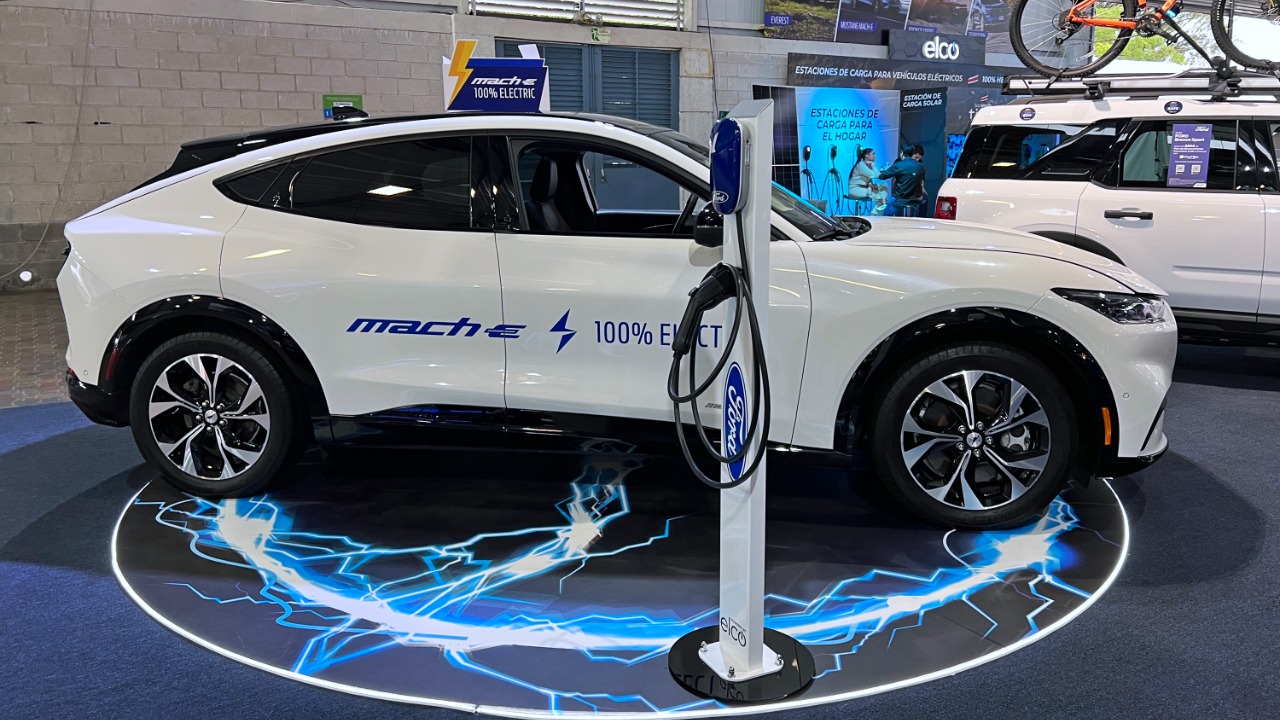
The transformation of the Louisville Assembly Plant involves a series of upgrades and changes designed to facilitate the production of electric vehicles. The plant will undergo significant renovations to accommodate state-of-the-art technology and processes tailored specifically for EV manufacturing. This includes the installation of new assembly lines, advanced robotics, and cutting-edge battery assembly processes.
By aligning the plant transformation with its broader sustainability goals, Ford aims to create a manufacturing environment that minimizes waste and maximizes efficiency. The integration of advanced technology will not only streamline production but also enhance the quality and performance of Ford’s electric vehicles. This commitment to innovation positions Ford as a leader in the sustainable automotive industry.
Economic and Employment Impact in Kentucky

The $2 billion investment is expected to bring substantial economic and employment benefits to the local community in Kentucky. Ford’s plans include the creation of numerous jobs, providing a significant boost to the region’s economy. This development is particularly important given the current economic climate and the need for job creation and stability.
Ford is working closely with local government and stakeholders to ensure a smooth transition to electric vehicle production. This collaboration involves training programs and initiatives aimed at equipping the workforce with the necessary skills to thrive in the evolving automotive industry. The investment is also expected to bolster Kentucky’s position in the national and global automotive markets, enhancing the state’s reputation as a hub for automotive innovation.
Challenges and Opportunities in the EV Market
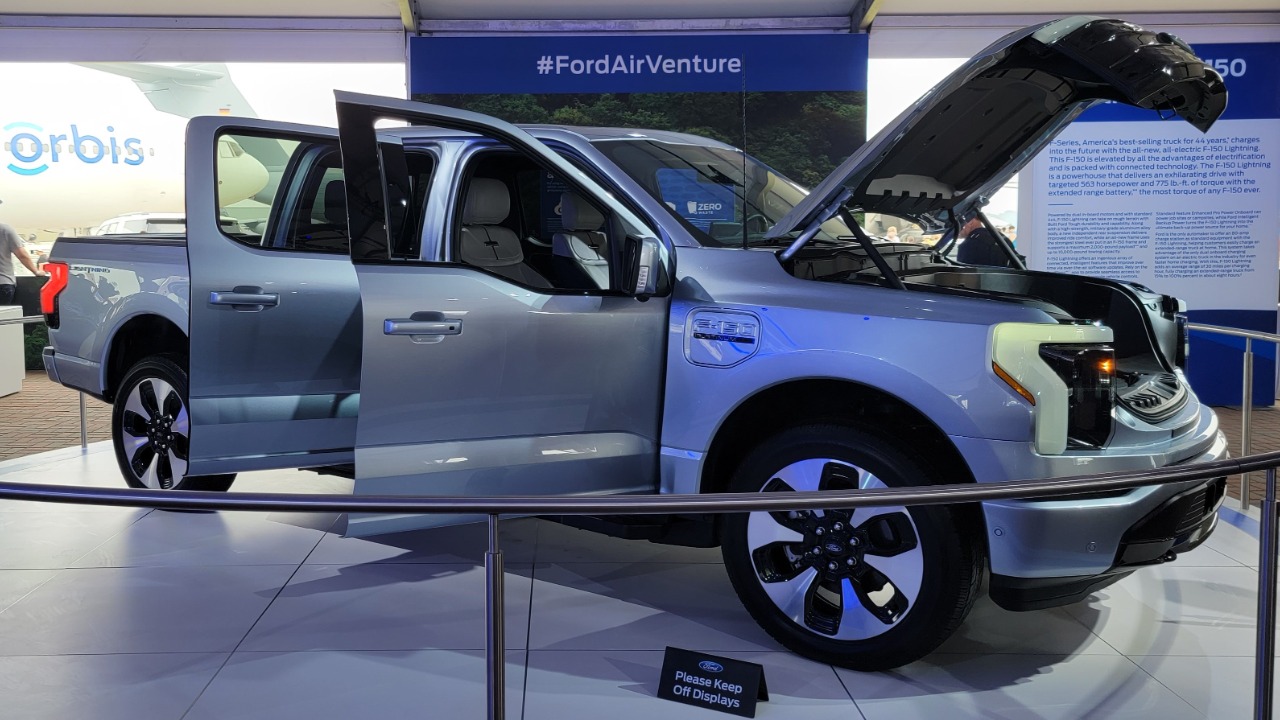
While the transition to electric vehicles presents numerous opportunities, it also comes with its own set of challenges. The EV industry faces obstacles such as battery technology limitations, charging infrastructure inadequacies, and consumer skepticism. Ford is addressing these challenges by investing in research and development to improve battery performance and expand charging networks.
The competitive landscape of the EV market is rapidly evolving, with numerous automakers vying for dominance. Ford’s substantial investment in its Louisville plant is a strategic move to secure a competitive edge. By focusing on innovation and leveraging its resources, Ford aims to capitalize on the growing demand for electric vehicles. This investment positions Ford among the top players in the industry and sets the stage for future growth and success.
Future of Electric Vehicles in the US
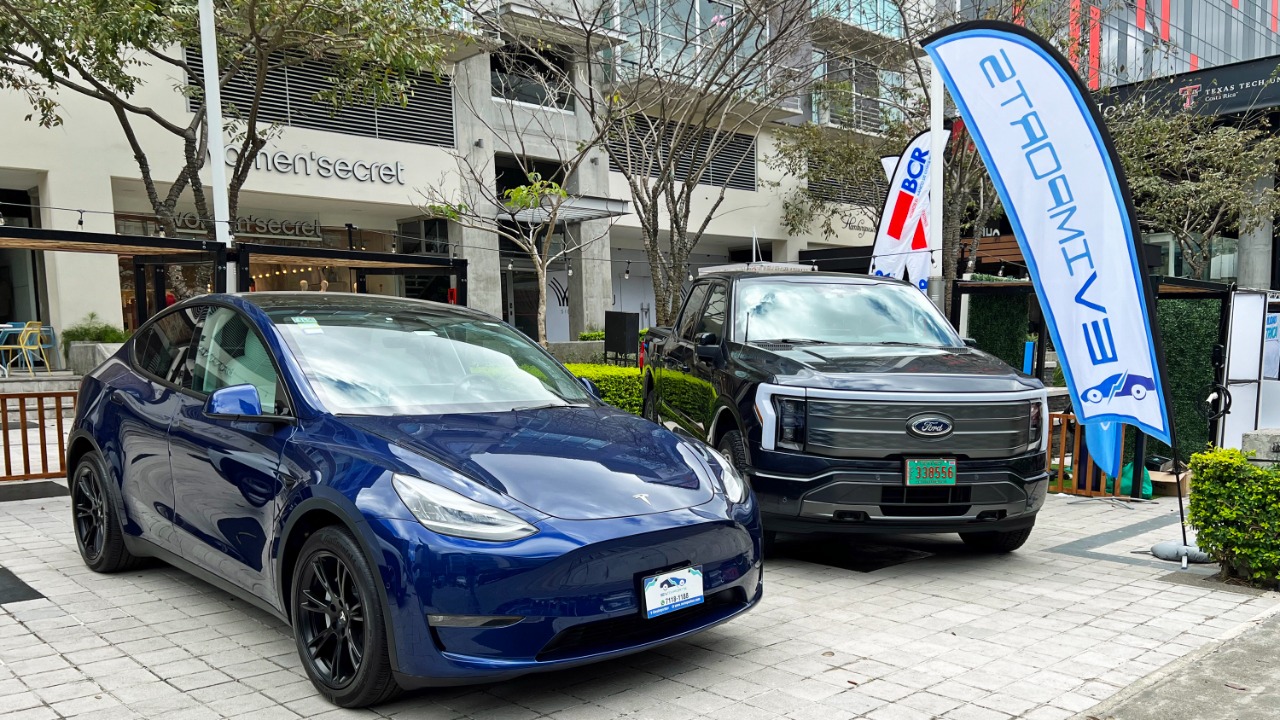
The future of electric vehicles in the United States looks promising, with projections indicating significant growth in adoption rates. Government policies and incentives play a crucial role in promoting EV adoption, and Ford’s investment aligns with these initiatives. The company’s commitment to producing affordable electric vehicles is expected to drive consumer interest and support the transition to sustainable transportation.
Ford’s $2 billion investment may also influence other automakers and accelerate the broader shift towards electrification. As the industry continues to evolve, the focus on sustainable transportation solutions will likely intensify, with Ford leading the charge. The automaker’s commitment to innovation and sustainability sets a precedent for the industry and paves the way for a greener, more sustainable future.
Ford’s decision to invest $2 billion in transforming its Louisville Assembly Plant into an electric vehicle production hub is a significant milestone in the company’s journey towards sustainability. This strategic move not only benefits the local community and economy but also positions Ford as a leader in the EV market. With a focus on innovation, collaboration, and sustainability, Ford is poised to drive the future of electric vehicles and contribute to a more sustainable world.

Grant Mercer covers market dynamics, business trends, and the economic forces driving growth across industries. His analysis connects macro movements with real-world implications for investors, entrepreneurs, and professionals. Through his work at The Daily Overview, Grant helps readers understand how markets function and where opportunities may emerge.