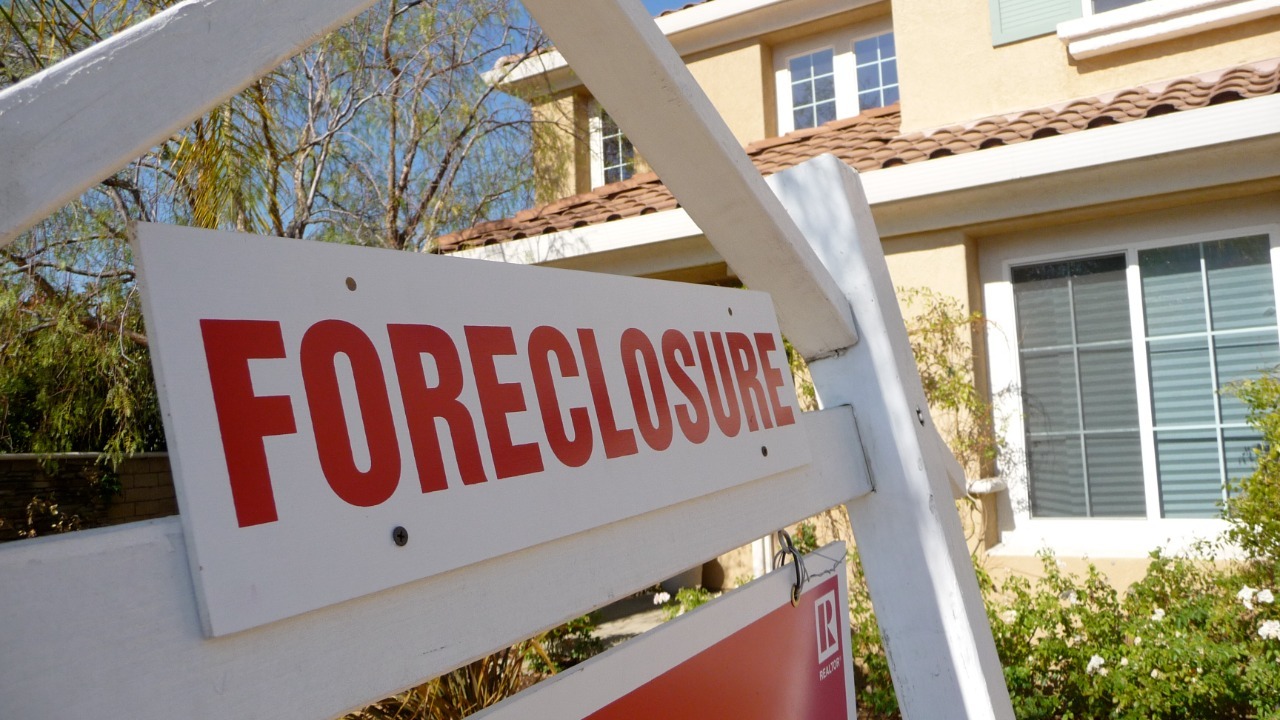
Foreclosure filings in the United States have climbed 14 percent, a clear sign that more distressed properties are hitting the market just as buyers are hunting for value in a high-rate world. For investors and first-time buyers alike, that shift creates both opportunity and risk, because buying a foreclosure can deliver a discount or a money pit. I want to walk through how to approach these properties the way seasoned professionals do, from reading the data to structuring an offer that actually closes.
Even with the recent jump, overall foreclosure activity is still far below the crisis-era peaks, which means the window is meaningful but not unlimited. The buyers who will benefit most are the ones who treat foreclosures as a specialized niche, not a shortcut, and who borrow the playbook that experienced agents, investors, and housing analysts already use.
The new foreclosure landscape: what the 14% jump really means
The first step to buying like a pro is understanding what that 14 percent increase actually reflects. Data from ATTOM shows that U.S. foreclosure activity rose in 2025, with filings spread across more than 3,000 counties nationwide and tracked from IRVINE, Calif by the analytics firm ATTOM. A companion analysis notes that foreclosure filings on U.S. properties increased 14 percent in 2025, reaching exactly 367,460, a level that is still far below the nearly 2.9 million filings recorded in 2010.
That context matters, because it tells me we are not replaying 2008, but we are seeing stress build among certain owners. Reporting on Foreclosure filings highlights that default notices, scheduled auctions, and bank repossessions have all risen as households struggle with higher living costs as well as elevated interest rates, which is pushing more properties into the distressed pipeline Foreclosure. At the same time, Overall foreclosure levels remain low by historical standards, and analysis of the hardest hit metros shows that the pain is concentrated in specific markets rather than spread evenly across the country Overall.
Why this is not 2008, and how that shapes your strategy
To buy foreclosures intelligently, I have to separate fear from facts. The rise in distressed activity is happening alongside a very different supply backdrop than the one that fueled the last crash. Recent analysis of new home inventory points out that the increase in available newly built homes is largely a response to years of underbuilding, which is now creating more options for homebuyers rather than a glut of unwanted properties Learn. That means distressed listings are entering a market that still has structural demand, especially in affordable price bands.
For a buyer, this changes the playbook. In 2008, the risk was catching a falling knife as prices cascaded lower; today, the bigger risk is overestimating how desperate a lender or seller really is. With Overall foreclosure levels still low and demand for livable, well-located homes intact, I cannot assume that every bank-owned property will trade at a fire-sale price. Instead, I need to treat each foreclosure as a case study in local supply, neighborhood desirability, and repair costs, and be prepared for competition from other investors who are reading the same data.
Finding the deals: where the pros actually look
Professionals do not wait for a polished listing to pop up on a consumer app; they work the pipeline earlier. One effective tactic is to treat foreclosure auctions as a research lab rather than a buying obligation. As one guide for investors notes, You do not need to bid at foreclosure auctions to get value from them, because simply showing up to observe can give You a serious education in pricing, investor behavior, and which properties are likely to reappear on the market after failed sales You. I see experienced buyers track those addresses, then move quickly when they hit the multiple listing service as bank-owned homes.
Beyond the courthouse steps, I focus on building relationships with agents and lenders who specialize in distressed assets. A detailed guide to distressed properties stresses that Working with a Real Estate Agent Who Knows What They are Doing is probably the best bet for newcomers, because these agents understand how servicers think, how to navigate bank addenda, and how to spot title or lien problems before they explode at closing Working. I also watch public records for pre-foreclosure filings, which can reveal owners who might be open to a negotiated sale before the property ever reaches auction, often giving both sides a cleaner outcome.
How 8 pros say to structure your offer and due diligence
Once I have a promising target, the next step is to behave the way seasoned investors do when they write offers. But You have to know how to buy a foreclosure smartly, because in most cases You are dealing with a bank that is focused on net recovery, speed, and certainty of closing rather than emotional attachment to the property But. That means a strong earnest money deposit, proof of funds or a fully underwritten loan approval, and realistic timelines can matter as much as the headline price. Several of the 8 pros highlighted in recent coverage emphasize that lowball offers with weak terms often lose to slightly higher bids that look rock solid to the asset manager reviewing the file.
Due diligence is where professionals really separate themselves. I budget for a full inspection, a sewer scope, and, if the property has been vacant, a thorough check of mechanical systems that may have been damaged by neglect or vandalism. I also assume that the bank will not make repairs and that the property is being sold as is, so my offer price has to reflect worst-case scenarios, not best-case hopes. A social post summarizing those 8 pros’ advice underscores that Foreclosure filings are up 14 percent and that 8 pros tell us how to smartly buy one, which includes building in a healthy repair reserve and being prepared for surprises that traditional sellers might have disclosed or fixed before listing MARKETWATCH.
Risk management: when to walk away and when to lean in
Buying foreclosures like a pro is as much about the deals you skip as the ones you close. I pay close attention to markets that IRVINE, Calif based ATTOM has flagged for rising activity, because a cluster of distressed sales in one neighborhood can drag down comparable values and lengthen my exit timeline Jan. At the same time, I weigh that against data showing that Overall foreclosure levels remain low and that some metros are bearing the brunt of the increase, which can create targeted opportunities in cities where long-term fundamentals are still strong even as short-term distress rises foreclosures.
On the property level, I set hard rules: walk away if title work reveals unresolved liens that the bank will not clear, if structural issues push repair costs beyond a set percentage of after-repair value, or if the numbers only work under aggressive rent or resale assumptions. The fact that Article Summary data shows 367,460 filings spread across more than 3,000 counties tells me there will be another deal if I let one go, so I do not need to force a marginal purchase just because Foreclosure activity is up Article Summary. When the math does work, and the neighborhood, inspection, and title all check out, that is when I lean in with the kind of clean, confident offer that the 8 experts consistently recommend.
More From TheDailyOverview
*This article was researched with the help of AI, with human editors creating the final content.

Elias Broderick specializes in residential and commercial real estate, with a focus on market cycles, property fundamentals, and investment strategy. His writing translates complex housing and development trends into clear insights for both new and experienced investors. At The Daily Overview, Elias explores how real estate fits into long-term wealth planning.

