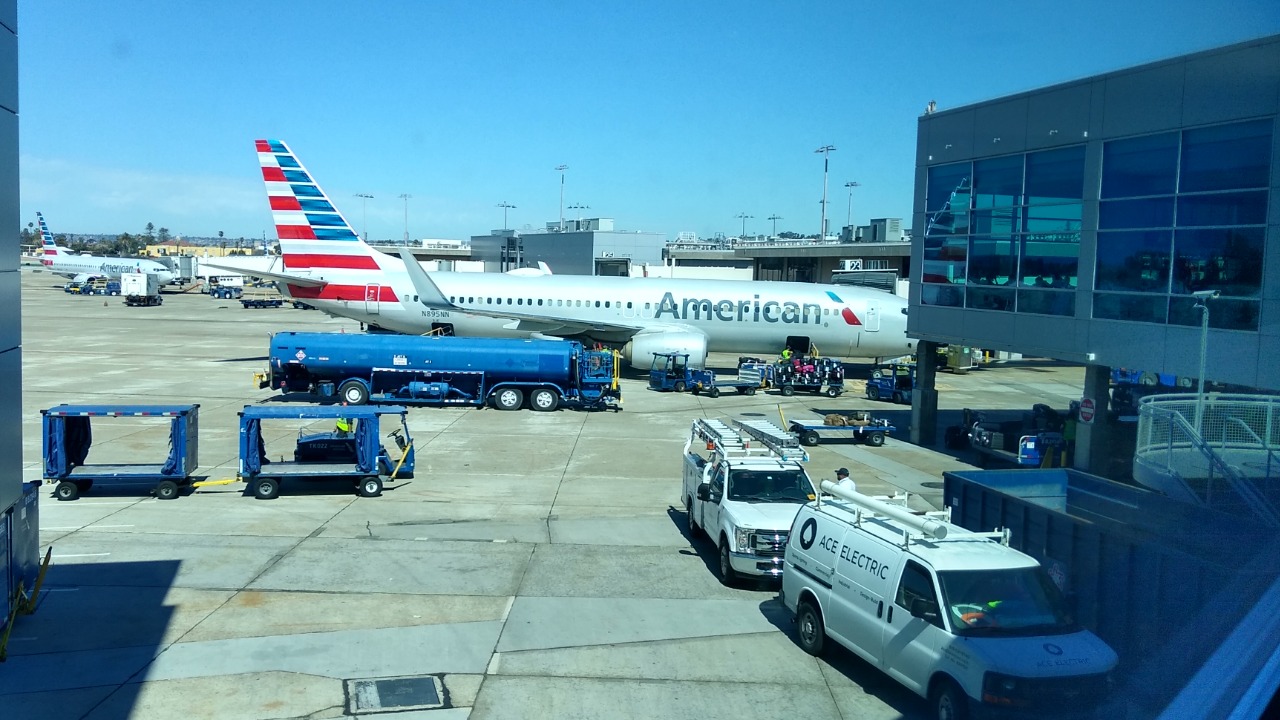
Free extras that once defined the big U.S. airlines are being quietly rewritten into fee tables and fine print. From checked bags to mileage earning and lounge access, core benefits at four major carriers are shrinking or shifting to higher fare classes and elite tiers, and travelers who do not read the details risk paying more for less comfort. I want to walk through how those perks are changing at American Airlines, United Airlines, Delta Air Lines, and Southwest Airlines so you can see exactly what is at stake before your next trip.
The new era of “less for more” in airline loyalty
Across the industry, the direction of travel is clear: airlines are trimming generous freebies and tightening loyalty rules while keeping planes full and profits high. Major carriers have been explicit that they want to make elite status and premium perks more exclusive, and that means casual flyers are being pushed toward basic products with fewer included benefits. For anyone who built their travel habits around free bags, easy lounge access, or automatic mileage earning, the ground rules are shifting fast.
Earlier changes at Delta and United signaled where the market was heading, with both carriers starting to cut back on loyalty benefits and warning that frequent flyers should expect to be “frequently frustrated” as programs evolve, a trend highlighted when Delta and United began tightening their schemes. At the same time, American Airlines, United, and Delta have been investing heavily in new, fuel efficient aircraft and upgraded cabins, a fleet overhaul that one analysis said would help American Airlines, United, and Delta dominate the U.S. skies. That combination of tighter perks and upgraded hard product is the backdrop for the specific cuts now hitting your wallet.
American Airlines: basic economy stripped down
American Airlines has taken one of the most aggressive approaches to shrinking benefits on its cheapest tickets. The carrier has now removed mileage earning on its lowest fares, a move that directly undercuts the value of booking the airline’s most restrictive product. As of mid December, the company has implemented a “No More Miles” policy on Basic Economy, so customers who buy those tickets no longer earn redeemable miles, even though they still occupy the same seats and pay the same taxes and fees as everyone else.
The change is spelled out in detail in an update explaining that No More Miles are awarded on Basic Economy tickets booked after a specific cutoff in December, while higher fare classes continue to earn. That shift comes on top of earlier restrictions that already made Basic Economy the most limited option, with separate reporting noting that these passengers cannot check bags into the hold for free, cannot select a seat in advance, and face tighter change and refund rules, as outlined in an analysis of how basic economy has been stripped of a major perk. Put together, American’s cheapest tickets now look less like a gateway into the loyalty program and more like a separate, bare bones product designed to nudge travelers into paying more.
American’s labor and loyalty squeeze
At the same time that American Airlines is cutting back on what entry level customers receive, it is also reshaping how it pays and manages its frontline staff. Flight attendants at the carrier began receiving boarding pay in Apr, a significant change that recognized the unpaid time they previously spent managing passengers before the doors closed. A widely shared explanation from a crew member underscored that American Airlines flight attendants started getting this boarding pay on April 1, 2025, describing it as a major shift in their compensation structure.
Those higher labor costs sit alongside the airline’s decision to squeeze more revenue from its loyalty base, particularly through Basic Economy. When a carrier pays more for each minute of staff time, it has a strong incentive to make sure every seat is monetized as fully as possible, and that often means reserving the richest rewards for higher fare classes and elite members. The same period that saw boarding pay introduced also saw American double down on its strategy of steering travelers away from the most restrictive fares by removing mileage earning and limiting free services, a pattern that fits with the broader push among large carriers to make loyalty programs more lucrative for the airline than for the average passenger.
United Airlines: elite status gets harder to reach
United Airlines has focused its cuts less on headline grabbing freebies and more on the mechanics of elite status. The carrier has raised the bar for its Premier tiers, increasing the requirements for qualifying so that casual and even moderately frequent flyers find it harder to reach or maintain status. For travelers who relied on mid tier benefits like complimentary upgrades, priority boarding, and fee waivers, that shift effectively turns perks that once felt attainable into rewards reserved for a smaller, higher spending group.
Program details show that United Airlines has increased the requirements for achieving Premier status tiers by about 25 percent, explicitly making elite status harder to reach. That kind of jump means a traveler who previously hit a given tier with a mix of discounted economy tickets and occasional long haul trips may now fall short unless they either fly more segments or buy up into higher fare classes. In practice, the free upgrades and priority services that once felt like a reward for loyalty are being repositioned as incentives for higher revenue customers, and anyone who does not adjust their strategy risks losing benefits they had come to expect.
Delta Air Lines: lounges and status pulled back
Delta Air Lines has taken a different but equally consequential route by targeting airport lounge access and the path to elite status. The carrier has been grappling with overcrowded lounges and a swelling pool of elite members, and its answer has been to limit how often certain credit card holders can enter and to raise the thresholds for earning status. For travelers who built their loyalty around a premium card and a steady diet of Delta flights, the result is fewer quiet spaces to work or relax and a steeper climb to keep the same medallion level.
Company updates describe how Delta Air Lines will be limiting lounge access for American Express cardholders and changing the criteria for earning elite status, with the stated goal of making both more exclusive. Industry analysts have also noted that Delta announced major changes to its elite program and lounge access for credit card customers, reinforcing the message that simply holding a co branded card is no longer a guaranteed ticket into the Sky Club or a shortcut to status. For many travelers, that means rethinking whether the annual fees on premium cards still make sense if the associated lounge visits and status boosts are sharply curtailed.
Southwest Airlines: the end of “Bags Fly Free”
Perhaps the most symbolic loss of a free perk this year has come at Southwest Airlines, which built its brand around a promise that checked bags would not cost extra. That signature benefit has now been dismantled, bringing the carrier closer to the fee heavy model of its legacy rivals. For families and budget travelers who chose Southwest specifically to avoid baggage charges, the change is more than cosmetic, it directly raises the cost of a typical trip.
Detailed coverage of the shift explains that Southwest has officially ended its “Bags Fly Free” policy, describing this as the most drastic change to the airline’s rules and noting that it coincided with new fees and adjustments to the Rapid Rewards loyalty program. Separate reporting on the summer travel rush around Memorial Day highlighted that Southwest Airlines’ free checked bags would no longer be a thing as of the following day, underlining how quickly a long standing perk disappeared. For regular customers, the message is blunt: what was once a defining freebie is now another line item in the booking flow.
Southwest’s broader overhaul: from open seating to new fees
The baggage shift is only one piece of a much larger transformation at Southwest Airlines. The carrier has been systematically rewriting the rules that made it stand out from the legacy pack, including scrapping its open seating model and revisiting how it handles changes and cancellations. Those moves are reshaping the experience on board and at the gate, and they signal that the airline is willing to trade some of its quirky identity for revenue and operational control.
Company statements confirm that Southwest Airlines Confirms Major Changes Effective Immediately Southwest Airlines has already made several high profile adjustments, including revising its change fee policy and scrapping its longstanding open seating policy. A separate breakdown of the new baggage rules notes that Note that some of the offers mentioned may have changed, but it is clear that Southwest Airlines has announced major changes to its baggage policy that make it more like other airlines. Coverage from New York emphasized that New York based reporting saw Months after earlier shifts, Southwest Airlines was getting rid of its most recognizable perk, underscoring how far the airline has moved from its original promise.
Policy fine print: how Southwest is telling customers
As Southwest rewrites its rules, the carrier is relying heavily on digital channels and support pages to communicate the changes, which means travelers who do not proactively check the website may be caught off guard at the airport. The airline’s help center now includes a dedicated section that walks through the new baggage fees, seating policies, and other adjustments, but those details are buried behind multiple clicks and jargon heavy language. For occasional flyers who assume that “Bags Fly Free” still applies, the gap between expectation and reality can be expensive.
The official policy hub spells out the latest updates, with policy changes detailing how checked bag allowances, boarding procedures, and other rules have been revised. Independent coverage has also chronicled how Southwest Airlines’ free checked bags will no longer be a thing and how travelers were informed that bags would no longer fly free as of a specific day, as seen in a segment where anchors explained that bags will no longer fly free and that this marked the end of a perk travelers had counted on for years. For anyone booking Southwest now, the safest move is to assume that what used to be free may now carry a fee unless the current policy page explicitly says otherwise.
Loyalty programs in flux across the big three
The tightening at American, United, and Delta is not happening in isolation, it is part of a broader recalibration of loyalty economics. Airlines have discovered that their frequent flyer programs are multi billion dollar businesses in their own right, especially through co branded credit cards, and they are now fine tuning the balance between rewarding travelers and protecting revenue. That has led to a wave of changes that make status harder to earn, lounge access more restricted, and entry level fares less rewarding.
One televised discussion framed it as a “Face Off for” frequent flyers, noting that another airline had announced major changes to its loyalty program and that the competition among carriers was increasingly about how far they could push customers without driving them away, a point captured in coverage of how Face Off for frequent flyers has intensified. Earlier commentary on the sector also highlighted that major airlines including Delta and United were beginning to cut back on loyalty benefits, reinforcing the idea that the generous era of easy miles and open lounges is ending, as seen when major airlines began trimming their programs. For travelers, the practical takeaway is that loyalty strategies that worked a few years ago may no longer deliver the same value, and it is now essential to recheck the rules at least once a year.
How travelers can adapt as free perks disappear
With free perks shrinking at four major airlines, the burden is shifting to travelers to protect their own value. I recommend starting with a clear inventory of which benefits you actually use, such as checked bags, seat selection, lounge access, or mileage earning on cheap fares, and then matching those needs against the new rules at American, United, Delta, and Southwest. In many cases, paying slightly more for a higher fare class that still earns full miles or includes a bag can be cheaper than buying the rock bottom ticket and adding fees later.
It is also more important than ever to be deliberate about loyalty. One seasoned traveler argued that it is important for frequent travelers to be loyal to one airline so they can concentrate their spending and still reach meaningful perks, a point that resonates even as programs tighten. At the same time, the industry wide trend toward higher thresholds and fewer freebies means that some flyers may be better off shopping purely on schedule and price rather than chasing status that has become 25 percent harder to reach or lounge access that is capped for American Express cardholders. In this new landscape, the smartest move is to read the fine print before you book, assume that yesterday’s freebies may be gone, and treat every “perk” as something that can vanish unless it is written into your specific fare.
More From TheDailyOverview

Cole Whitaker focuses on the fundamentals of money management, helping readers make smarter decisions around income, spending, saving, and long-term financial stability. His writing emphasizes clarity, discipline, and practical systems that work in real life. At The Daily Overview, Cole breaks down personal finance topics into straightforward guidance readers can apply immediately.

