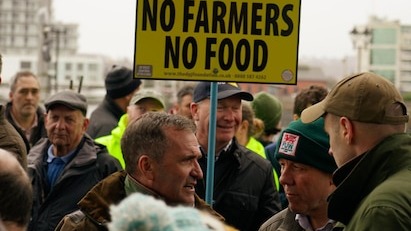
Farmers on both sides of the world are bracing for a showdown over a new trade pact between the United States and India that they say treats their fields as little more than a dumping site for surplus grain and meat. In India, unions have called a nationwide shutdown on February 12, 2026, while in the United States, anger over tariffs, import plans, and squeezed margins is already fueling what some describe as a rolling “farmland revolt.” At stake is not just the balance of trade, but who gets to survive in a food system increasingly shaped by a handful of powerful exporters and political calculations in Washington.
The core tension is simple enough: the deal promises cheaper food imports and smoother diplomatic ties, but it does so by asking small and medium farmers to absorb the shock. The result is a rare moment when Indian and American producers, usually cast as competitors, are starting to sound like reluctant allies, warning that the current trajectory risks hollowing out rural economies while doing little to guarantee healthy, affordable food for consumers.
‘Dumping ground’ fears in Indian farm country
In India, the flashpoint is the perception that the agreement opens the door for heavily subsidized American corn and soybeans to pour into the country at prices local growers cannot match. Major farmer unions have warned that the pact amounts to a “total surrender” to American agribusiness, arguing that Indian industry will be “made into a dumping ground” for surplus grain and processed feed. Their concern is not abstract: India’s smallholders already operate on thin margins, and a sudden influx of cheaper imports can erase a season’s income in a single marketing cycle.
Those warnings have been amplified by detailed explainers on Indian tariffs and by statements from the Samyukt Kisan Morcha, which led the 2020–21 protests against farm laws. The unions argue that by cutting duties on key crops without ironclad protections such as a legal minimum support price, the government is effectively inviting low-cost imports to undercut domestic procurement. This, they say, would shift bargaining power away from farmers and toward multinational grain traders, with long term consequences for food security and rural employment.
Bharat Bandh and a wider working-class front
The backlash has quickly spilled beyond farm unions into a broader working-class mobilization. The Indian working class is preparing for a nationwide general strike on February 12, 2026, with unions representing agricultural laborers and industrial workers rallying under a shared banner against the trade pact and related economic policies. That convergence reflects a growing sense that trade decisions are being made over their heads, with little transparency and even less consultation.
Social media clips circulating under the banner of The Indian show organizers framing the strike as a defense of both jobs and food sovereignty, while another widely shared video titled Farmers Call Bharat highlights how rural and urban unions are coordinating road blockades and market shutdowns. A separate call to action notes that, on February 12, 2026, farmers and workers will protest what they describe as a flood of imports that could harm domestic agriculture, a message amplified in posts tagged with On February 12. This is not just a sectoral dispute; it is becoming a test of whether India’s broader labor movement can force a rethink of trade strategy.
Prices already sliding under import pressure
For many Indian farmers, the threat is no longer hypothetical. Indian corn and soybean prices have already dropped under pressure from incoming shipments, with traders citing cheaper American grain and byproducts used as cattle feed as a key factor. When a market that was barely profitable to begin with suddenly sees a sharp price correction, smallholders are left with few options beyond distress sales or cutting back on inputs for the next season.
Reporting from PTI describes how Indian prices for these crops fell on a Wednesday as traders adjusted to the new import dynamics, underscoring how quickly global deals can ripple through local mandis. Environmental advocates have also warned that if domestic prices remain depressed, farmers may respond by intensifying production on smaller plots to stay afloat, which can strain water resources and biodiversity. That feedback loop, where trade shocks drive ecological stress, rarely features in official talking points but will shape the lived reality in villages.
Confusion and edits in Washington
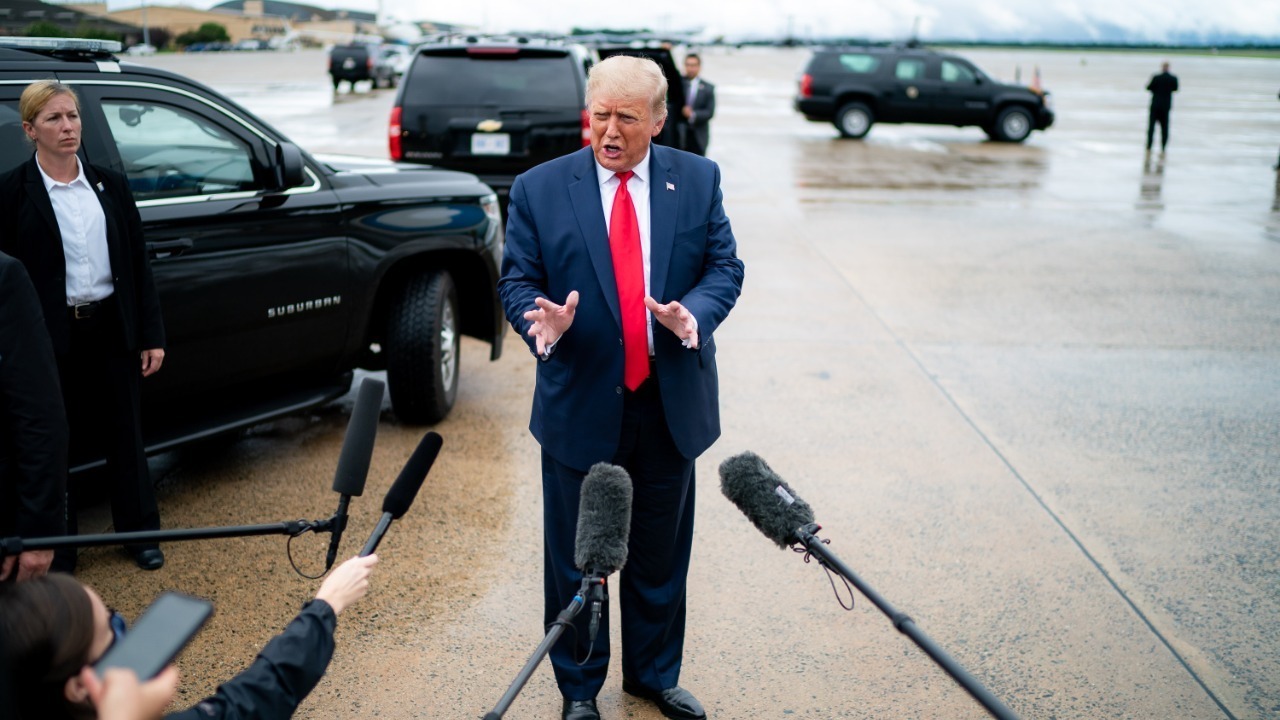
Compounding the anger in India is the perception that the deal itself is a moving target. Trump’s White House has revised key terms of the India agreement, sparking confusion over which tariff lines are actually being cut and how quickly new quotas will take effect. For farmers trying to plan what to plant and when to sell, that uncertainty can be as damaging as any single tariff change.
Accounts of White House edits describe last minute adjustments that left negotiators and industry groups scrambling to interpret the final text. Indian unions have seized on that confusion as evidence that the pact is being driven by political optics rather than a coherent agricultural strategy. When the rules of the game can be rewritten overnight in Washington, they argue, it is the farmer in Punjab or Madhya Pradesh who ends up carrying the risk.
American farmers feel the sting of trade politics
Across the Pacific, American producers are hardly celebrating. Anger about Trump’s tariffs has been building for years, with many rural communities arguing that retaliatory measures from trading partners and higher input costs have eroded their competitiveness. That frustration has grown so intense that some analysts now speak of a “farmland revolt,” a phrase that captures both the economic pain and the political backlash in farm country.
One detailed account of this unrest notes that anger about Trump’s trade policies has reached the point where even long time supporters are openly questioning the administration’s strategy. Separate reporting on how farmers are pressing the USDA for relief underscores how tariffs and counter tariffs have squeezed margins, even when export volumes look healthy on paper. The paradox is striking: American farmers are told they will benefit from new access to Indian markets, yet many feel they are already paying the price for a broader trade war.
More From The Daily Overview
*This article was researched with the help of AI, with human editors creating the final content.

Grant Mercer covers market dynamics, business trends, and the economic forces driving growth across industries. His analysis connects macro movements with real-world implications for investors, entrepreneurs, and professionals. Through his work at The Daily Overview, Grant helps readers understand how markets function and where opportunities may emerge.