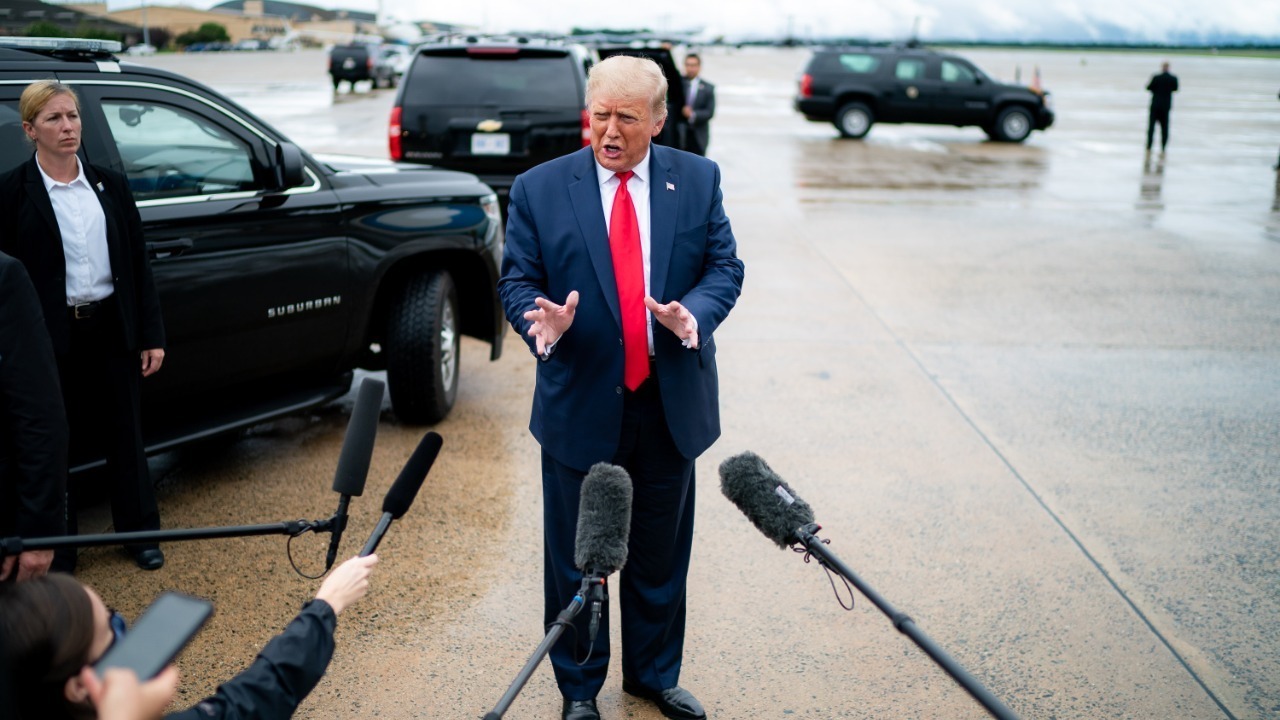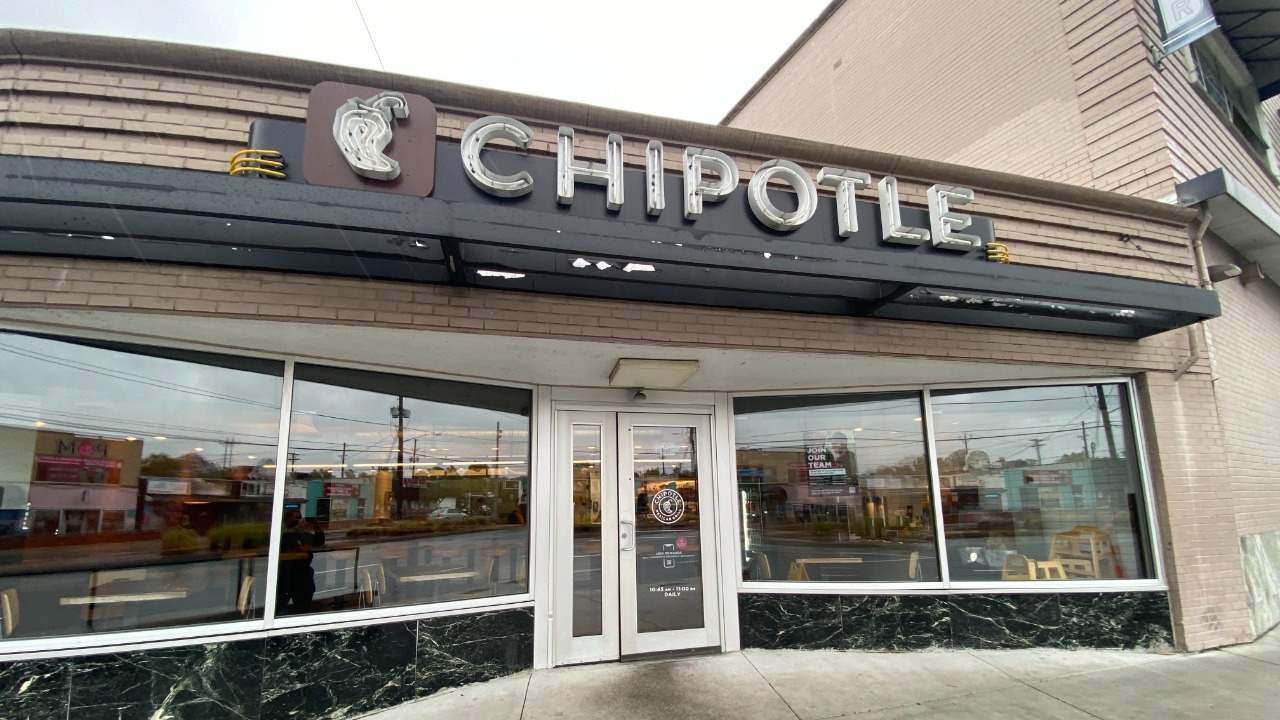
Chipotle is preparing to charge more for its burritos again, and its leadership is signaling little concern about scaring off its core clientele. The company’s top executive, Chipotle CEO Scott Boatwright, has argued that most of the chain’s diners earn more than $100,000 a year, a profile that he suggests can comfortably absorb higher menu prices. That stance effectively turns a fast-casual staple into a litmus test for a K-shaped economy in which some customers barely keep up with food inflation while others treat a $15 lunch as a routine expense.
The strategy is clear: lean into higher earners, protect margins, and trust that brand loyalty will outweigh sticker shock. Yet the median U.S. household brings in far less than six figures, which raises a sharper question about who still gets to treat Chipotle as an everyday option and who is being nudged out. I see a company betting that its future lies closer to premium dining than budget-friendly convenience, even if that means leaving some longtime customers behind.
The six-figure customer Chipotle is chasing
At the center of the current debate is Chipotle CEO Scott Boatwright’s claim that “most” of the chain’s customers make more than $100,000 a year. In his telling, that income profile justifies fresh price hikes because the typical guest has room in their budget for a pricier burrito bowl. The company is not just acknowledging that it skews toward higher earners, it is treating that skew as a strategic asset, a buffer against the kind of demand destruction that hits more value-focused brands when prices rise.
That framing fits with reports that the brand intends to “lean into” guests who earn at least $100K, treating them as the core audience for future growth rather than as a fortunate subset of a broader base. In coverage of Boatwright’s comments, he is described as relaxed about raising prices precisely because of this affluent customer mix, a posture that has already sparked criticism in a climate where wage gains are uneven and food costs have climbed faster than many paychecks. The company has not publicly released detailed income breakdowns to verify the “most” claim, so for now it functions more as a narrative about who Chipotle wants at the front of the line than as a transparent data point.
Price hikes, traffic declines, and a K-shaped reality
Chipotle’s confidence in its six-figure diners comes as it prepares another round of menu increases in 2026. Internal planning, described in investor-focused coverage, indicates that Chipotle plans to raise menu prices again next year, a move framed as necessary to cover higher labor and ingredient costs and to protect profitability. The company is effectively signaling that it would rather risk losing some price-sensitive guests than sacrifice its margins, a choice that aligns with how many large restaurant chains have navigated the past several years of inflation.
That decision lands in an economy where the gap between those who can shrug off higher prices and those who cannot has widened. Reporting on the broader context notes that the median household income in the U.S. was $83,730 in 2024, according to the U.S. Census Bureau, a figure derived from official Census data. When a brand positions itself around customers earning well above that level, it is implicitly acknowledging that lower and middle income diners may visit less often. That is the essence of a K-shaped recovery: one branch of consumers keeps climbing, while another flattens out or falls behind, and Chipotle appears comfortable aligning itself with the upward branch.
“Lean in” messaging and the backlash risk
Boatwright’s comments did not land in a vacuum. Coverage of his remarks has highlighted that Chipotle CEO Scott Boatwright told interviewers he was not worried about raising prices because most of his customers make more than $100k anyway, a line that quickly became shorthand for the company’s attitude toward affordability. In one account of his conversation with Yahoo Finance, the phrasing was presented as evidence that the chain is explicitly prioritizing higher earners, a message that can sound blunt to families who once treated Chipotle as a weekly staple rather than an occasional splurge.
Additional reporting has amplified that impression by noting that the Chipotle CEO allegedly suggested the company would keep raising prices and “lean into” customers making over $100K, with some stories emphasizing that the focus is on guests with more disposable income rather than on broad-based accessibility. One piece, attributed to By Landon Mion and labeled as Pub in its metadata, framed the comments as part of a pattern in which the Chipotle CEO and other executives talk openly about targeting higher income brackets. The repetition of the $100 figure across these accounts has turned what might have been a dry pricing discussion into a cultural flashpoint about who fast-casual chains are really for.
Clarifications, portion sizes, and what value means now
After the initial wave of coverage, Chipotle moved to soften some of the harsher interpretations of its pricing stance. Company representatives have worked to correct what they describe as misleading reports about pricing, stressing that the brand still wants to serve a broad range of guests and that it is not abandoning value altogether. In one detailed account, executives emphasized that the chain is paying close attention to its portion sizes and prices, trying to reassure diners that they are not being quietly shorted on ingredients even as menu boards get more expensive. That clarification effort, described in a piece that noted how the company addressed Also on the call, suggests leadership understands how quickly a narrative about “greedflation” can stick.
At the same time, other executives have been candid about the mechanics behind the coming increases. In one report, Chief Financial Officer Adam Rymer said consumers can expect menu prices to rise on items that feature more expensive inputs such as steak, barbacoa, and other high protein options, a detail highlighted in coverage that quoted him directly. That explanation, linked to Chief Financial Officer, underscores that Chipotle is not just raising prices across the board, it is fine-tuning them where costs have spiked most. For customers, though, the distinction between targeted and broad hikes may matter less than the simple reality that their usual order costs more than it did a year or two ago.
The broader fast-casual split
Chipotle’s pivot toward higher earners mirrors a wider shift in fast-casual dining, where brands are increasingly segmenting their audiences rather than trying to be all things to all people. Some chains, particularly in the Mexican-inspired category, have leaned harder into value menus and discount bundles to keep lower income guests coming through the door. Others, including Chipotle, are investing in digital ordering, loyalty programs, and premium ingredients that appeal more to time-pressed professionals than to budget-conscious families. The result is a landscape where two customers can walk into different burrito chains and experience entirely different price expectations.
In that context, Chipotle’s leadership appears to be choosing the premium path. One analysis of the company’s strategy noted that Chipotle plans to raise menu prices in 2026, betting that its core customers will stick with the brand despite the increases, a stance captured in a summary labeled Chipotle Bets, High, Income Customers, Prices Rise, Chipotle. That bet assumes that affluent millennials and Gen Z professionals will continue to prioritize perceived quality, convenience, and digital ease over raw price. If that assumption holds, Chipotle could see margins expand even if traffic among lower income diners softens further.
More From The Daily Overview
*This article was researched with the help of AI, with human editors creating the final content.

Grant Mercer covers market dynamics, business trends, and the economic forces driving growth across industries. His analysis connects macro movements with real-world implications for investors, entrepreneurs, and professionals. Through his work at The Daily Overview, Grant helps readers understand how markets function and where opportunities may emerge.