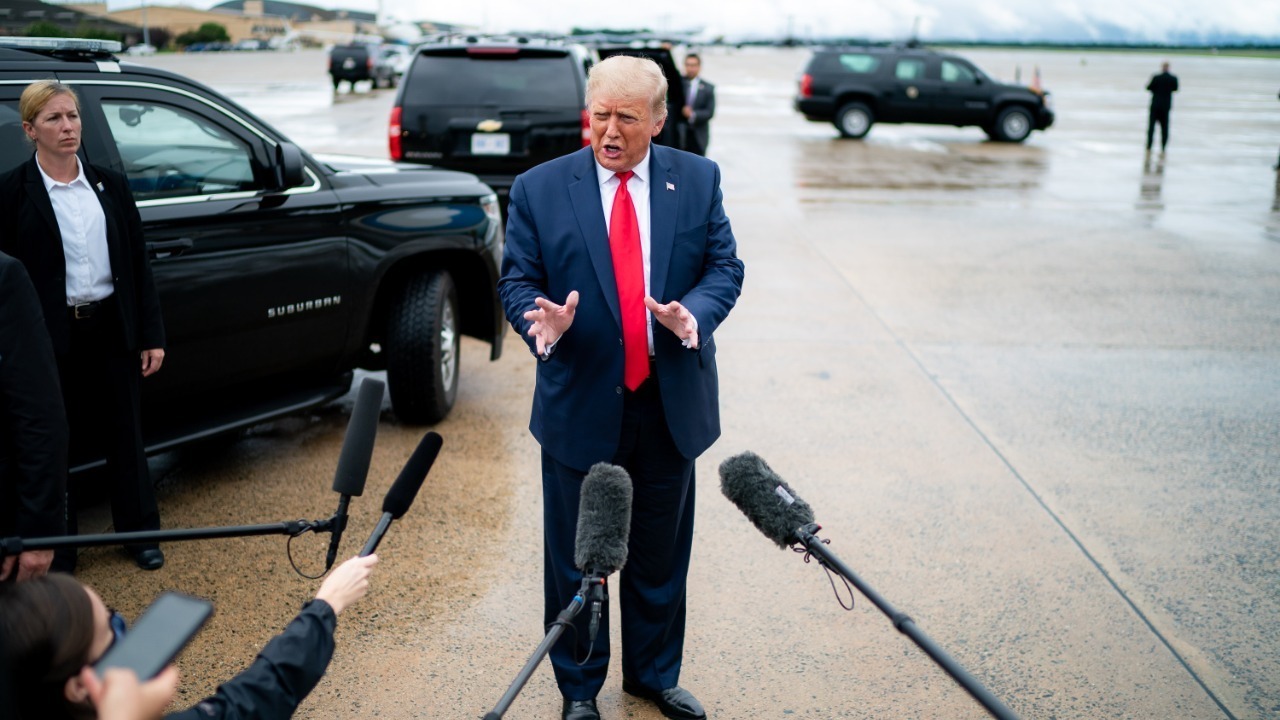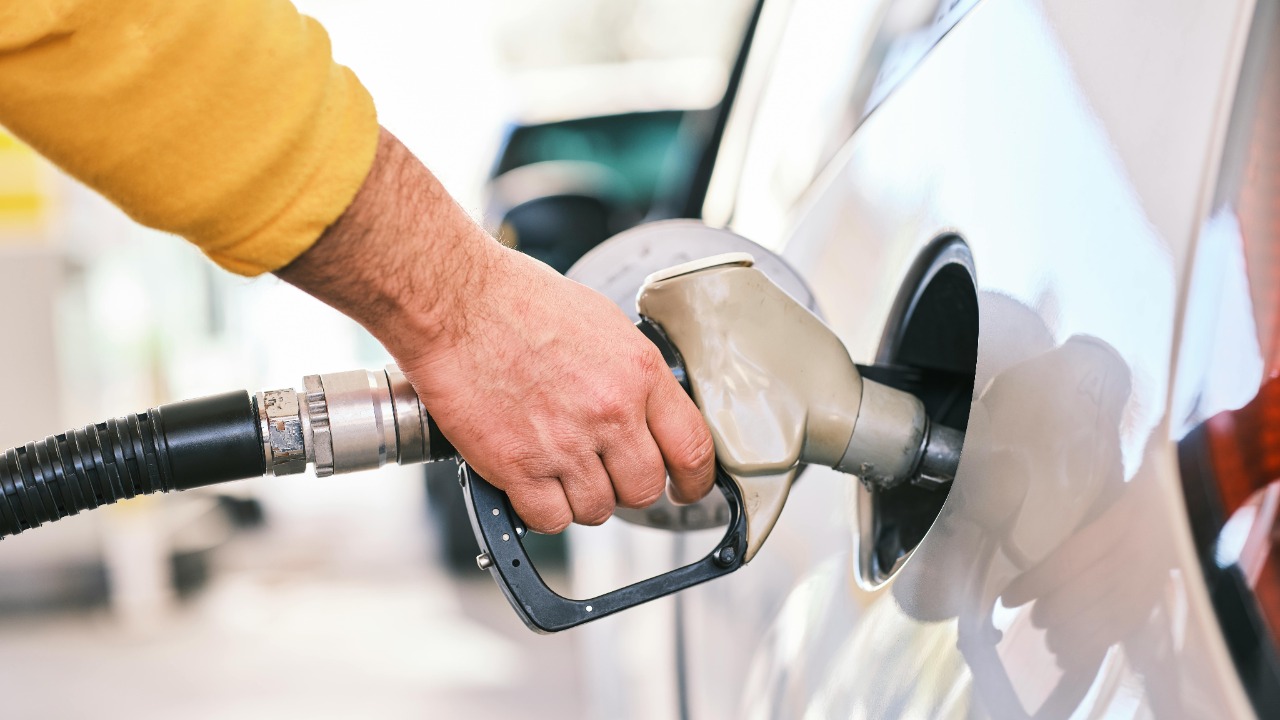
Drivers in parts of the country are suddenly seeing something they have not glimpsed in years: regular gas starting with a “1” on the station marquee. Prices have slipped below $2 a gallon in nine states, giving households a rare bit of breathing room at a time when other costs remain stubbornly high. President Donald Trump is seizing on the shift, arguing that cheaper fill-ups are “bigger than a tax cut” for working families.
The political stakes are obvious. Trump campaigned on a promise to deliver $2 gasoline and is now pointing to the sub-$2 pockets as proof that his energy agenda is paying off. The economic reality is more complicated, shaped by global oil markets, domestic production and demand, and forecasts that still see national prices averaging well above those rock-bottom outliers.
Where gas has slipped under $2, and why it matters
The headline development is straightforward: in nine states, average pump prices for regular have dipped below $2 per gallon, a level that felt almost out of reach when drivers were paying more than double that not long ago. Those sub-$2 readings are concentrated in lower-cost fuel markets, where taxes are modest and competition among retailers is intense, but they are still a striking contrast with the national picture. Recent data from Feb show that as “Gas Prices Edge Higher” while “February Kicks Off,” the national average has actually been nudging up, even as some states buck the trend.
Those nine states are benefiting from a mix of regional refinery dynamics, relatively low state fuel taxes, and proximity to major oil and gasoline pipelines. In places like Oklahoma and Texas, where energy infrastructure is dense, wholesale prices can fall faster and further than in coastal markets. That helps explain why the national average can be rising even as some local averages fall below $2, a split that underscores how uneven the relief is. For drivers in high-cost states, the marquee numbers in those nine states are a reminder that geography can be as important as national policy when it comes to what they pay at the pump.
Trump’s $2 promise and the “bigger than a tax cut” claim
Trump has long treated gasoline prices as a personal political benchmark, telling voters he would deliver cheap fuel as part of his broader economic pitch. On the 2024 campaign trail, he pledged to bring pump prices below $2 a gallon, a promise that has been tracked as part of his record in office. One year into his second term, fact-checkers noted that while prices had fallen significantly, the national average was still above that threshold, with one review pointing to a statewide low of $2.34 per gallon in Oklahoma as the cheapest typical price available at the time, according to an assessment that cited On the record of “Donald Trump” and noting that “One” year in, the promise was only partially fulfilled.
Now that average prices in nine states have fallen below $2, Trump is framing the development as vindication and as a direct pocketbook benefit. In coverage of the latest drop, he has been quoted saying that cheaper gasoline is “bigger than a tax cut,” arguing that every driver feels the savings immediately and repeatedly. One report on the sub-$2 trend highlighted how “Gas prices crash below $2 in 9 states” and tied the outcome to Trump’s energy posture, including a push often summarized by the phrase “drill, baby, drill,” with the analysis noting that the $2 gasoline forecast was linked to that agenda and quoting “Gas,” “Trump,” and his insistence that the relief rivals a tax reduction in impact, as described in a piece shared via Dec coverage.
From campaign prediction to policy narrative
The sub-$2 milestone did not come out of nowhere. Trump has been predicting for more than a year that gasoline would fall to around $2, and he has repeatedly cast that outcome as a signature achievement of his energy strategy. In late 2025, during a press conference in Asia, he told reporters that Americans were “going to see $2 gasoline pretty soon,” a comment delivered “During” an appearance in “Tokyo” on a “Tuesday” that was carried by “Fox News.” That prediction was tied to expectations of increased supply from both domestic producers and “OPEC+” nations, with the president arguing that more barrels on the market would inevitably push prices down, as recounted in a report that quoted “Trump” and his forecast of cheaper fuel in the near term, detailed in a piece accessible through Oct.
Trump also used domestic appearances to reinforce that message. In an interview segment that took viewers “Inside the” resurgence of the “Permian Basin,” he told host “Maria Bartiromo” on the morning program “Mornings with Maria” that increased U.S. production would translate into much lower pump prices. He argued that as shale output climbed and regulatory barriers were eased, Americans would no longer face the kind of sticker shock they had “been facing at the pump,” a claim that fit neatly into his broader “America First” energy narrative and was highlighted in coverage of his comments on how low prices could go “pretty soon,” as summarized in a segment available via Inside the discussion of the Permian Basin.
How the White House is selling the windfall
Inside the administration, the drop in gasoline prices is being woven into a broader story about economic relief. A recent White House message framed the trend as one of several “Big Wins for American Families,” arguing that Trump’s “America First” agenda is delivering “real, tangible relief” to household budgets. The statement credited the president’s policies with helping to push both gas prices and mortgage rates lower, contending that the combination is making the American Dream more attainable for more people. It explicitly tied the improvement to “Jan” progress under “Trump,” describing how “America First” priorities were benefiting the typical “American” family, as laid out in a communication that can be read through Trump’s official messaging.
The same White House narrative stresses that fuel costs are now at or near multi-decade lows, presenting that fact as evidence that the administration’s approach is working. Officials have pointed to data showing that average prices are the lowest in roughly twenty years, arguing that this is not a temporary blip but the result of structural changes in energy policy and production. In that framing, the sub-$2 averages in nine states are the most visible symbol of a broader shift, one that the administration says is making commuting, road trips, and freight transport cheaper across the board. That argument is reinforced in another official summary that again references “Jan,” “Trump,” “America First,” and “American” families, and notes that prices are “the lowest in two decades,” a claim detailed in a document accessible via America First.
What experts and fact-checkers say about $2 gas
Energy analysts are more cautious than the political rhetoric. The federal government’s own projections show that while prices have fallen sharply from their peaks, they are not expected to stay near $2 on a nationwide basis. The Short-Term Energy Outlook from the Energy Information Administration forecasts that U.S. gasoline prices in 2026 will average just over $2.90 per gallon, explicitly stating that “We forecast U.S. gasoline prices in 2026 will average just over $2.90 per gallon (gal), a decrease of nearly” previous highs, with the figure “$2.90 per gallon” and the shorthand “$2.90” appearing in the official text, as laid out in the agency’s U.S. gasoline prices forecast. That same outlook, accessible through the broader Short-Term portal, underscores that national averages are likely to remain well above the sub-$2 pockets, even in a relatively benign price environment.
More From The Daily Overview
*This article was researched with the help of AI, with human editors creating the final content.

Grant Mercer covers market dynamics, business trends, and the economic forces driving growth across industries. His analysis connects macro movements with real-world implications for investors, entrepreneurs, and professionals. Through his work at The Daily Overview, Grant helps readers understand how markets function and where opportunities may emerge.