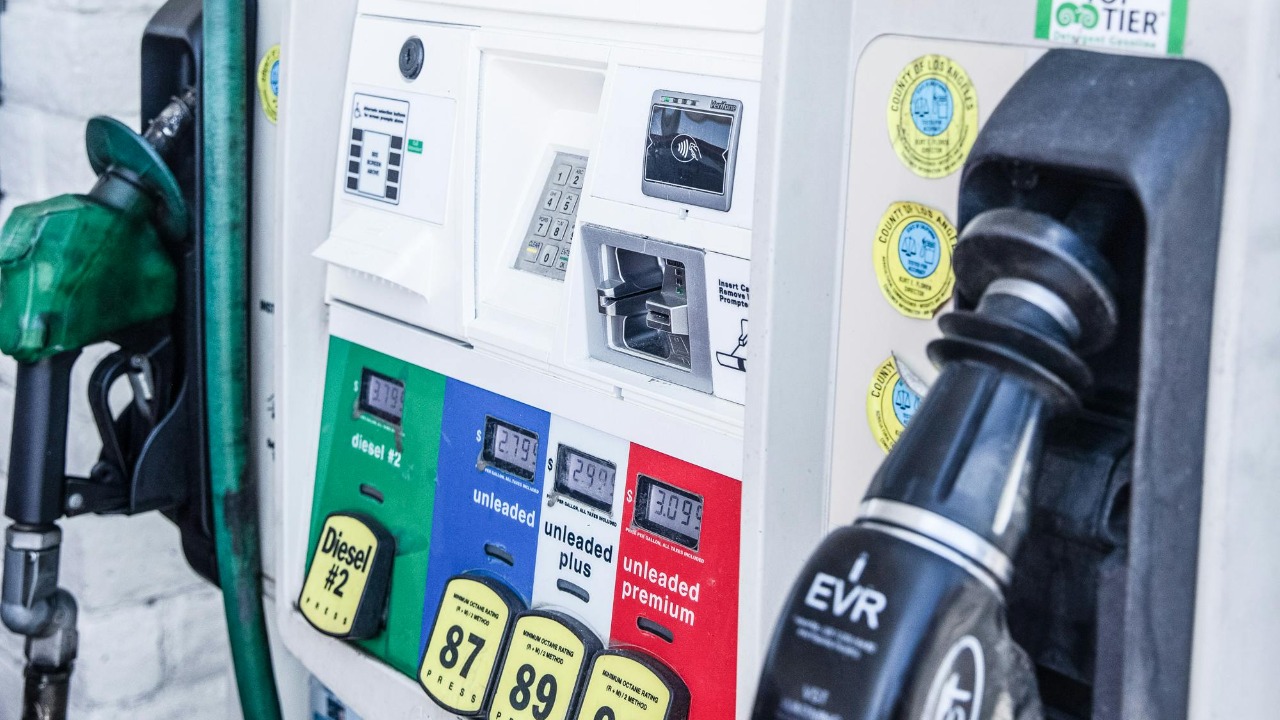
Gas prices have quietly slipped below the three dollar mark across most of the United States just as the Thanksgiving travel rush gets underway, easing one of the biggest cost pressures on drivers. The shift reflects a rare alignment of softer global oil prices, steady refinery output, and cooling demand that is giving holiday travelers a break at the pump.
As I look across the latest data, the story is not just about cheaper fill-ups, but about how this price relief is spreading unevenly by region, reshaping travel decisions, and feeding into a broader debate over inflation, consumer confidence, and the political stakes of energy costs heading into a high‑travel season.
Holiday drivers see rare relief at the pump
The most immediate impact of sub‑three dollar gasoline is psychological: drivers planning long Thanksgiving road trips are recalculating budgets in real time and finding more room for extra miles or last‑minute detours. A typical family driving a 2021 Toyota RAV4 or a 2020 Honda CR‑V for a 500‑mile round trip can now save enough on fuel to cover a night in a budget hotel or a restaurant meal, compared with the peak prices that hit earlier in the inflation cycle. That shift matters for tens of millions of people who still rely on personal vehicles rather than planes or trains for holiday travel, especially in regions where public transit is sparse and intercity rail is limited.
Lower pump prices are also smoothing out some of the friction that usually comes with crowded travel corridors, from the Northeast’s I‑95 to the long stretches of I‑10 and I‑40 in the South and Southwest. When regular unleaded drops under three dollars in most states, the sting of sitting in traffic behind a line of SUVs and pickup trucks eases a bit, and I see that reflected in how travel apps like GasBuddy and Waze are being used to hunt for marginal savings rather than to avoid outright price shocks. The broader pattern, confirmed by recent state‑by‑state price maps and Thanksgiving travel forecasts, shows that cheaper fuel is arriving just as road volumes climb to some of the highest levels of the year.
Why prices slid below $3 in much of the country
The drop in retail gasoline prices did not happen in a vacuum, it reflects a chain that starts with crude oil benchmarks and runs through refineries, pipelines, and local competition at the corner station. As global oil prices eased from earlier highs, wholesale gasoline costs followed, giving retailers room to cut posted prices without sacrificing margins. Refineries that had completed seasonal maintenance came back online with stronger output, which helped rebuild inventories and reduced the risk of localized shortages that can spike prices in specific metro areas. Recent inventory data and crude price charts show that combination of softer input costs and healthier stockpiles feeding into the current retail relief.
At the same time, demand has cooled from the frantic pace seen when pandemic restrictions first eased and drivers rushed back onto the roads. More people are working hybrid schedules, some long‑distance business travel has shifted permanently to video calls, and a portion of the fleet has migrated to more efficient vehicles, from 2024 Toyota Prius hybrids to Tesla Model 3 sedans. That structural change in consumption, documented in recent gasoline demand reports and vehicle efficiency studies, means that even when holiday travel spikes, the underlying baseline is lower than it would have been a decade ago, which helps keep a lid on prices in most states.
Regional winners, stubborn hot spots, and what drivers actually pay
Even with a national narrative of sub‑three dollar gas, the reality on the ground is highly regional, and I see sharp contrasts between states where drivers are paying closer to two dollars and fifty cents and coastal markets where prices remain well above three. In parts of the Gulf Coast and the central United States, proximity to refineries and lower state fuel taxes translate into some of the cheapest gasoline in the country, giving drivers in cities like Houston, Tulsa, and Birmingham a bigger cushion. By contrast, motorists in California and parts of the Northeast still face higher prices driven by stricter fuel standards, higher taxes, and infrastructure bottlenecks, a pattern reflected in recent regional price comparisons.
Those differences shape behavior in subtle ways. In lower‑cost regions, I see more anecdotal evidence of drivers opting for larger vehicles like 2023 Ford F‑150s or Chevrolet Tahoes for long trips, while in higher‑cost states, there is a stronger incentive to consolidate trips, carpool, or choose more efficient models for holiday travel. Apps that crowdsource prices, such as GasBuddy and Upside, amplify these dynamics by steering drivers to cheaper stations within a few miles, which can create micro‑pockets of intense competition. Recent usage data and state tax breakdowns underscore how policy choices and local market structures determine whether drivers see the full benefit of the broader national price slide.
Inflation, consumer sentiment, and the political stakes
Cheaper gasoline is arriving at a moment when inflation fatigue has been weighing on household budgets, and it is one of the most visible price tags Americans encounter in daily life. When the number on the station marquee falls below three dollars, it sends a powerful signal that some pressures are easing, even if grocery bills and rents remain elevated. That visibility helps explain why shifts in gas prices often show up quickly in consumer sentiment surveys, with respondents reporting more confidence about near‑term finances when they feel less squeezed at the pump. Recent inflation reports and sentiment analyses link the current price relief to a modest improvement in how people rate the overall economy.
The political implications are just as significant, particularly with President Donald Trump facing scrutiny over the broader cost of living as the holiday season unfolds. Energy prices have long been a flashpoint in national debates, and I see the current dip in gasoline costs being folded into competing narratives about economic stewardship and policy choices. Supporters point to the recent decline as evidence that supply‑side measures and regulatory decisions are stabilizing markets, while critics argue that volatility in global oil remains a vulnerability that policy has not fully addressed. Recent White House statements and polling on gas prices highlight how quickly a few cents’ movement at the pump can influence perceptions of the administration’s economic record.
How long the sub‑$3 window might last
The natural question for anyone filling up before a long Thanksgiving drive is how durable this price window will be, and the honest answer is that it depends on forces far beyond a single holiday week. Seasonal patterns typically favor lower prices in late fall and early winter as driving demand eases, but that historical trend can be disrupted by geopolitical shocks, refinery outages, or unexpected swings in global consumption. Analysts tracking futures markets and refinery utilization rates are watching for signs that current conditions, including comfortable inventories and moderate crude prices, will persist into the new year. Recent price outlooks and refinery capacity forecasts suggest that, barring a major disruption, many states could see relatively restrained prices through the winter.
For drivers, the practical takeaway is to treat today’s sub‑three dollar fill‑ups as an opportunity rather than a guarantee. I see more households using this period to catch up on deferred trips, visit relatives they skipped during more expensive years, or simply rebuild a bit of savings that had been drained by earlier price spikes. Some are also using the breathing room to reassess their long‑term transportation choices, weighing whether the next family vehicle should be a more efficient hybrid like the 2025 Honda Accord Hybrid or a fully electric model such as the Hyundai Ioniq 6. The latest sales data and household budget studies indicate that even temporary relief at the pump can influence those decisions, shaping how resilient Americans will be the next time fuel prices climb.
More From TheDailyOverview
- Dave Ramsey says these two simple questions show whether you’re rich or poor
- Retired But Want To Work? Try These 18 Jobs for Seniors That Pay Weekly
- IRS raises capital gains thresholds for 2026 and what’s new
- 12 ways to make $5,000 fast that actually work

Grant Mercer covers market dynamics, business trends, and the economic forces driving growth across industries. His analysis connects macro movements with real-world implications for investors, entrepreneurs, and professionals. Through his work at The Daily Overview, Grant helps readers understand how markets function and where opportunities may emerge.

