
Gen Z is redefining remote work dynamics by challenging traditional norms through a strong emphasis on work-life balance and mental health. The generation is advocating for the right to disconnect, positioning this stance as a new form of professionalism. With rising anxiety levels impacting their workplace attitudes, effective management strategies are becoming crucial to address the needs of what is sometimes called the “anxious generation.”
The Rise of Remote Work Among Gen Z

Gen Z is increasingly opting for remote work settings, valuing flexibility and autonomy in their work environments. This shift is largely driven by the technological fluency of this generation, making remote work not only feasible but also highly attractive. The ability to work from anywhere allows Gen Z employees to tailor their work schedules to fit their personal lives, fostering a sense of control over their time and productivity. According to HR Morning, managing remote employees effectively requires understanding these preferences and adapting management strategies accordingly.
Technology plays a pivotal role in enabling remote work, with digital tools and platforms facilitating seamless communication and collaboration. Gen Z, having grown up with the internet and smartphones, is particularly adept at leveraging these technologies to enhance their work experience. This digital proficiency allows them to navigate remote work environments with ease, making them well-suited for roles that prioritize flexibility and innovation. As companies continue to embrace remote work, understanding the technological preferences of Gen Z will be essential for fostering a productive and engaged workforce.
Moreover, the preference for remote work among Gen Z is not just about flexibility but also about aligning with their values of sustainability and reducing carbon footprints. By working remotely, they can minimize commuting, which contributes to lower emissions and a more environmentally friendly lifestyle. This generation is highly conscious of their environmental impact, and remote work provides a practical solution to align their professional lives with their personal values. Companies that recognize and support these values can enhance their appeal to Gen Z talent, fostering a workforce that is not only productive but also committed to sustainable practices.
The Right to Disconnect

The movement to establish the “right to disconnect” as a fundamental work expectation is gaining momentum, particularly among Gen Z. This generation is pushing back against the culture of overwork, advocating for clear boundaries between work and personal life. According to Times of India, this push for disconnection is reshaping professional standards, emphasizing the importance of mental health and well-being in the workplace.
Examples of this shift can be seen in companies adopting policies that limit after-hours communication and encourage employees to fully disengage from work during their personal time. This approach not only supports the mental health of employees but also promotes a healthier work-life balance, which is increasingly seen as a marker of professionalism. By prioritizing the right to disconnect, Gen Z is setting new expectations for workplace culture, challenging employers to rethink traditional notions of productivity and engagement.
Furthermore, the right to disconnect is seen as a crucial step in combating burnout, a prevalent issue in today’s fast-paced work environments. Gen Z’s advocacy for this right is rooted in the understanding that constant connectivity can lead to diminished productivity and creativity. By setting boundaries, employees can recharge and return to work with renewed focus and energy. This shift is prompting organizations to rethink their expectations around availability and responsiveness, encouraging a culture where quality of work is prioritized over the quantity of hours logged. As more companies adopt these practices, the workplace is evolving into a space that values employee well-being as a key component of success.
Managing Anxiety in the Workplace

Increasing anxiety levels among Gen Z are impacting their work performance and expectations, necessitating new management strategies. As reported by Fortune, this “anxious generation” requires tailored approaches to effectively manage their unique challenges in remote work settings. Employers are recognizing the need to address mental health proactively, integrating support systems and resources to help employees cope with stress and anxiety.
Strategies for managing anxiety in the workplace include offering mental health resources, promoting open communication, and creating supportive work environments. By acknowledging the mental health challenges faced by Gen Z, companies can foster a more inclusive and understanding workplace culture. This approach not only benefits employees but also enhances overall productivity and job satisfaction, as workers feel supported and valued by their employers.
Additionally, companies are exploring innovative solutions such as virtual wellness programs and mental health days to support their Gen Z employees. These initiatives are designed to provide accessible and effective ways for employees to manage stress and anxiety, even in remote settings. By integrating mental health into the core of their organizational culture, businesses can create an environment where employees feel safe to express their concerns and seek help without stigma. This proactive approach not only addresses immediate mental health needs but also contributes to long-term employee retention and satisfaction, as workers feel their well-being is genuinely valued by their employers.
HR Strategies for Remote Work Success
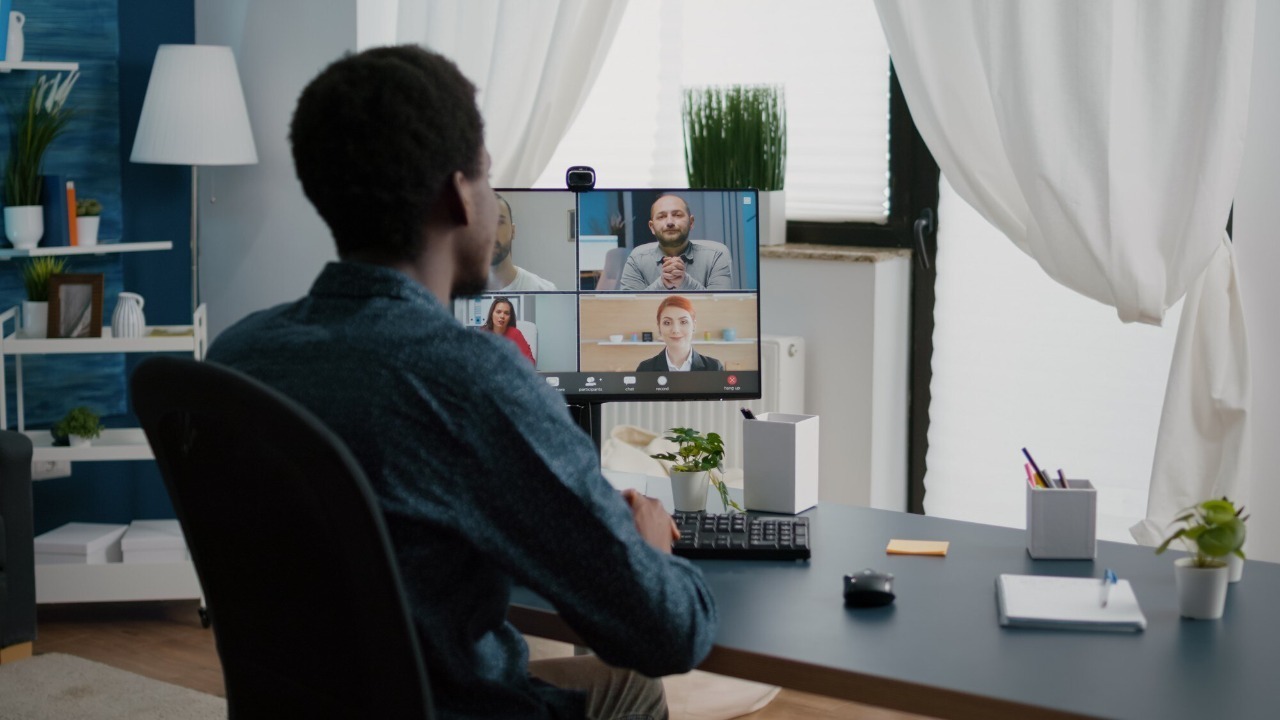
Effective HR strategies are crucial for managing remote employees, particularly Gen Z workers, by 2025. According to HR Morning, tailored approaches that consider the unique needs and challenges of Gen Z are essential for ensuring productivity and employee satisfaction. These strategies include flexible work arrangements, personalized career development plans, and robust communication channels to keep remote teams connected and engaged.
By focusing on the specific preferences and expectations of Gen Z, HR professionals can create work environments that support both individual and organizational goals. This involves not only adapting management practices but also leveraging technology to facilitate collaboration and innovation. As remote work continues to evolve, companies that prioritize the needs of their Gen Z employees will be better positioned to attract and retain top talent in a competitive job market.
The Future of Work: Balancing Flexibility and Productivity

The approach of Gen Z to remote work has the potential to significantly impact future workplace dynamics. As companies strive to balance providing flexibility with maintaining productivity, they must consider how to meet the evolving expectations of their workforce. By embracing the values of work-life balance and mental health, organizations can create environments that support both employee well-being and business success.
To achieve this balance, companies must be willing to adapt their policies and practices, fostering a culture of trust and autonomy. This involves empowering employees to take ownership of their work while providing the necessary support and resources to help them succeed. By aligning organizational goals with the values of Gen Z, businesses can create a sustainable model for remote work that benefits both employees and employers in the long term.

Grant Mercer covers market dynamics, business trends, and the economic forces driving growth across industries. His analysis connects macro movements with real-world implications for investors, entrepreneurs, and professionals. Through his work at The Daily Overview, Grant helps readers understand how markets function and where opportunities may emerge.