
The period from 2025 to 2028 has been identified as a critical window for retirees considering Roth conversions, according to a recent report. This timing is especially relevant due to specific financial strategies and potential tax advantages that can be leveraged during this timeframe. Understanding the nuances of Roth conversion timing is essential for optimizing retirement savings.
Understanding Roth Conversions

A Roth conversion involves transferring funds from a traditional IRA to a Roth IRA. This process allows retirees to pay taxes on their retirement savings now, rather than later when they withdraw the funds. Unlike traditional IRAs, which require mandatory distributions and tax payments upon withdrawal, Roth IRAs offer tax-free withdrawals, provided certain conditions are met. This can be particularly advantageous for retirees who anticipate being in a higher tax bracket in the future.
The tax implications of converting a traditional IRA to a Roth IRA are significant. When you convert, the amount transferred is added to your taxable income for the year. This could potentially push you into a higher tax bracket, increasing your overall tax liability. However, the long-term benefits of tax-free withdrawals and no required minimum distributions can outweigh the initial tax hit, making Roth conversions a strategic choice for many retirees.
Why 2025-2028 is a Critical Window

The importance of the 2025-2028 window for retirees considering Roth conversions is underscored by potential legislative and economic changes expected during this period. According to a report by Kiplinger, this timeframe presents a unique opportunity for retirees to optimize their tax strategies. The current tax laws, set to expire in 2025, could lead to higher tax rates in the future, making it advantageous to pay taxes on conversions now rather than later.
Additionally, economic factors such as inflation and market volatility could impact retirement savings and tax strategies. By converting to a Roth IRA during this window, retirees can lock in current tax rates and potentially benefit from future tax-free growth. This strategic timing can help mitigate the risks associated with uncertain economic conditions and changing tax laws.
Strategies for Successful Roth Conversions

To maximize the benefits of Roth conversions, retirees should consider several tactical approaches. First, it is essential to evaluate your current and projected future tax brackets. If you expect to be in a higher tax bracket in retirement, converting now could save you money in the long run. Additionally, spreading conversions over several years can help manage tax liabilities and avoid pushing yourself into a higher tax bracket.
Common pitfalls to avoid during the conversion process include failing to account for the tax impact on your overall financial plan and not considering the timing of conversions in relation to other income sources. Consulting with a financial advisor can provide valuable insights and help tailor a conversion strategy that aligns with your retirement goals and financial situation.
Tax Benefits and Considerations
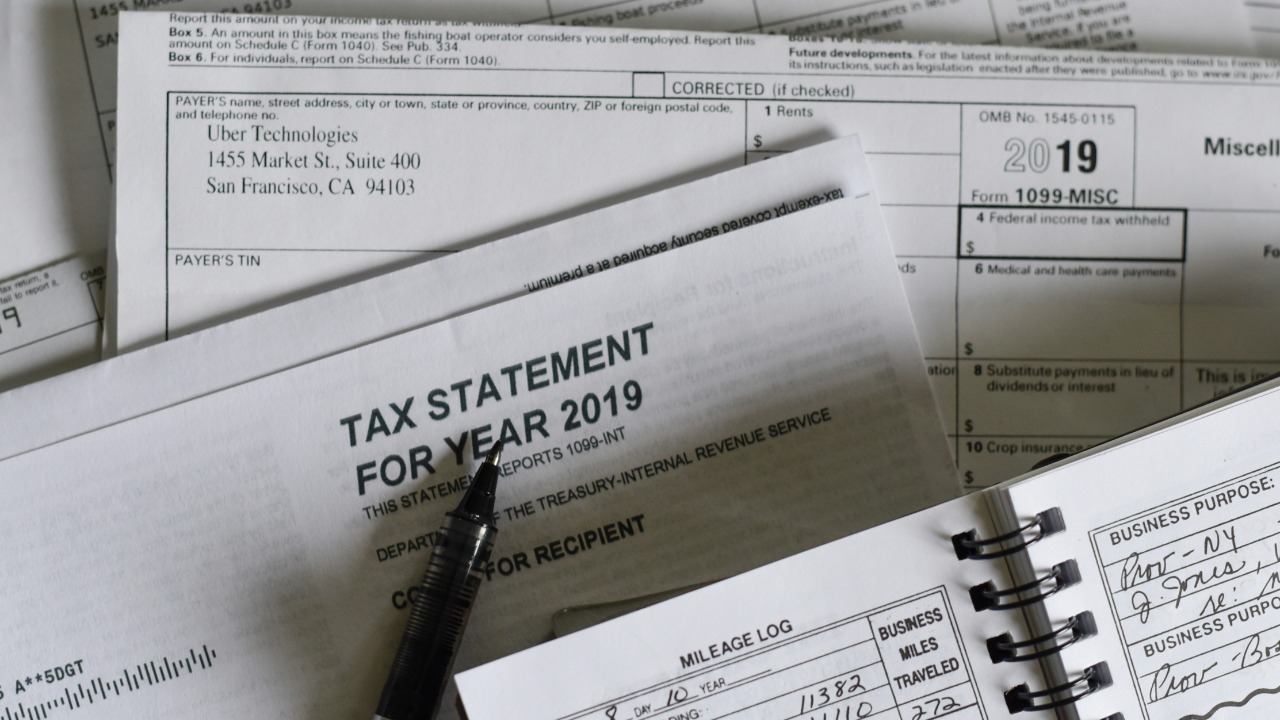
The tax benefits associated with Roth conversions, particularly during the 2025-2028 window, are significant. By converting to a Roth IRA, retirees can benefit from tax-free withdrawals in retirement, which can be especially advantageous if tax rates increase in the future. Additionally, Roth IRAs do not require minimum distributions, allowing retirees to maintain greater control over their retirement savings.
Changes in tax laws or rates could affect the benefits of a Roth conversion. For instance, if tax rates rise after 2025, the cost of converting could increase, making it more beneficial to convert while rates are lower. Retirees should stay informed about potential legislative changes and work with financial professionals to adjust their strategies accordingly.
Another significant consideration is the impact of Roth conversions on estate planning. Since Roth IRAs do not have required minimum distributions, account holders can potentially leave a larger inheritance to their beneficiaries. This can be particularly beneficial for heirs who may be in a higher tax bracket, as they can inherit the funds tax-free. Moreover, the absence of mandatory withdrawals allows the Roth IRA to continue growing tax-free over the account holder’s lifetime, further enhancing the potential value passed on to heirs.
Additionally, retirees should consider the interplay between Roth conversions and other tax credits or deductions. For instance, the additional income from a conversion could affect eligibility for certain tax credits, such as the Earned Income Tax Credit or the Premium Tax Credit under the Affordable Care Act. Understanding these interactions is crucial to avoid unintended tax consequences. Working with a tax professional can help retirees navigate these complexities and ensure that their Roth conversion strategy is optimized for their unique financial situation.
Expert Opinions and Case Studies

Financial experts emphasize the importance of timing when it comes to Roth conversions. Strategic timing can significantly impact the overall benefits of the conversion, particularly in light of potential tax law changes. Experts recommend considering factors such as current and future tax rates, income levels, and retirement goals when planning conversions.
Case studies illustrate the potential benefits of well-timed Roth conversions. For example, a retiree who converted a portion of their traditional IRA to a Roth IRA during a low-income year was able to minimize their tax liability while maximizing future tax-free growth. These examples highlight the importance of personalized strategies and the potential advantages of converting during the 2025-2028 window.
For more detailed insights on why this period is crucial for Roth conversions, you can refer to the full report by Kiplinger here.

Nathaniel Cross focuses on retirement planning, employer benefits, and long-term income security. His writing covers pensions, social programs, investment vehicles, and strategies designed to protect financial independence later in life. At The Daily Overview, Nathaniel provides practical insight to help readers plan with confidence and foresight.

