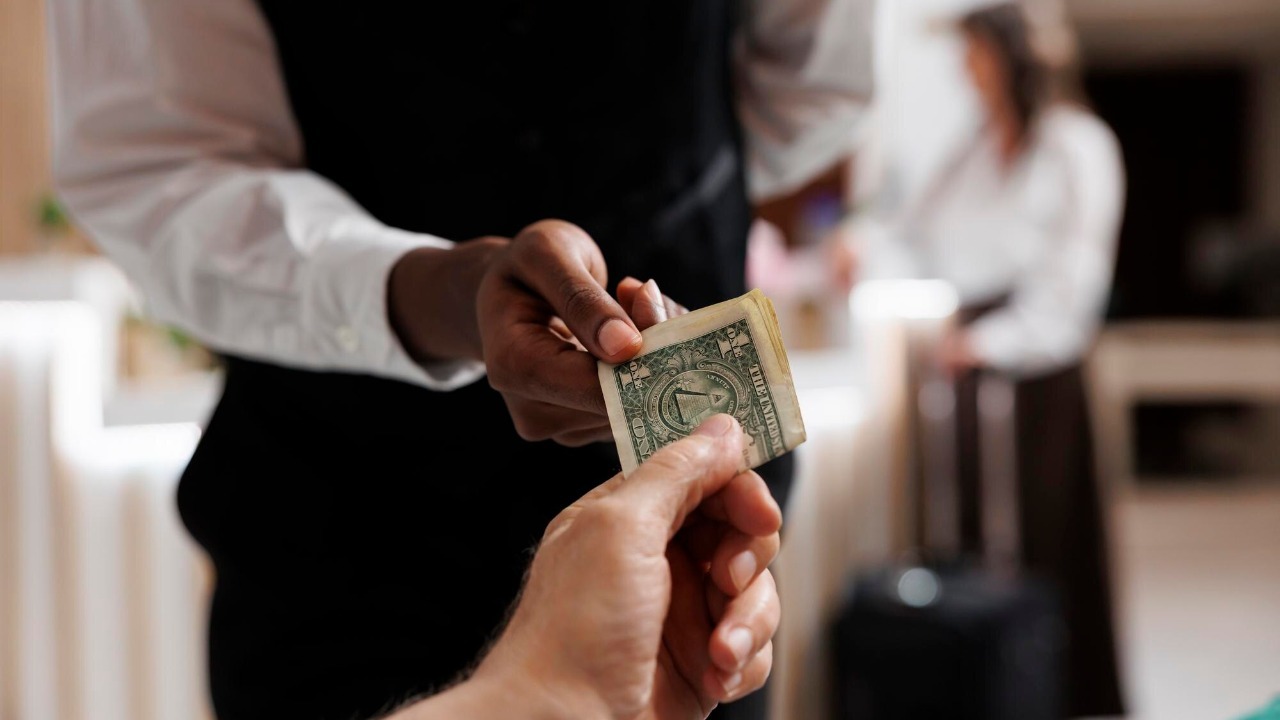
Across the United States, a quiet generational rift is playing out at coffee counters, ride-share drop-offs, and restaurant tables. Surveys now consistently show that adults in their early twenties are less likely to add a gratuity than their parents or grandparents, even as digital prompts make tipping harder to avoid. The pattern is clear: Gen Z is emerging as the age group least inclined to tip in many everyday situations, and that reluctance is reshaping expectations on both sides of the counter.
At the same time, the story is more complicated than a simple stereotype of “stingy zoomers.” Research points to a mix of lower incomes, frustration with tip screens, and a different sense of what counts as fair pay. Service workers, especially in restaurants and bars, are feeling the shift in real time, while new data suggests Gen Z can be surprisingly generous in other contexts, such as holiday tipping for workers they know personally.
What the surveys actually show about Gen Z and tipping
When I look across the available research, the most consistent finding is that Gen Z tips less often and at lower rates than older generations in classic service settings like sit-down restaurants. A 2022 CreditCards.com survey, cited in one widely discussed survey, found that younger adults were the least likely to leave a gratuity at all, and when they did, their percentages lagged behind those of older diners. That pattern has been echoed in later polling that compares Gen Z with millennials, Generation X, and baby boomers, reinforcing the idea that the youngest adults are the outliers in modern tipping culture.
Another survey from Bankrate, highlighted by Jun and Follow Gloria Dawson, sharpened that picture by focusing specifically on restaurant behavior. When Gen Z dines out, they are less likely to tip at all and less likely to hit the 20 percent mark that many servers now see as the standard. The same research noted that the tendency to tip increases with age, which helps explain why boomers routinely show up as the most reliable tippers across categories. Taken together, these surveys make a straightforward claim: in the current economy, Gen Z is the generation most likely to skip the tip line.
Why younger adults are pushing back on tipping norms
Numbers alone do not explain why Gen Z is so resistant to the tip prompts that now pop up on everything from food trucks to self-checkout kiosks. One clear factor is income. Many zoomers are students or early in their careers, juggling rent, student loans, and rising prices for basics like groceries and gas. In the CreditCards.com research referenced by Oct and Gen in the earlier survey, analysts explicitly linked Gen Z’s tipping habits with their lower income, suggesting that tight budgets make every extra dollar feel more consequential. When a latte already costs as much as a fast-food meal, a suggested 25 percent tip can feel less like gratitude and more like a surcharge.
There is also a cultural backlash brewing against what many younger customers see as “tipflation,” the spread of tip requests into transactions that used to be strictly wage-based. A report from Oct that cites Bankrate and Gen describes how a new Bankrate survey found Gen Z less inclined to tip than others, even though the reasons are officially “unclear.” In practice, many young adults say they are tired of being asked to subsidize wages in situations where there is little or no personal service, such as tapping a card at a counter for a prepackaged item. That frustration shows up in online conversations and in the way Gen Z responds to tip screens, often hitting “no tip” where older customers might quietly accept the prompt.
How service workers are experiencing the Gen Z tipping gap
For bartenders and servers, the generational divide is not an abstract data point, it is a nightly reality. Some front-of-house workers say they can now spot a table of zoomers and brace for a smaller payout at the end of the shift. In one report framed as The Brief, Some bartenders describe a noticeable lack of tips from Gen Z drinkers ordering beer, wine, or standard mixed drinks, even when the service is attentive and the bar is busy. That perception lines up with the broader survey data that paints younger adults as the least generous tippers in restaurant and bar settings.
Other research backs up the idea that Gen Zers are especially tight-fisted in sit-down dining rooms. One study cited by Jun and Gen Zers found that Gen Zers are the stingiest tippers at restaurants, with Gen holding the tightest grip on their wallets when the check arrives. Servers who rely on gratuities to make up for low base pay say that pattern can translate into real financial stress, especially in markets where younger diners make up a growing share of the customer base. When a four-top of boomers might leave 20 percent without thinking twice, a similar group of zoomers might leave 10 percent or nothing at all, and that gap adds up over a week’s worth of shifts.
Where the narrative gets complicated: generosity in other contexts
Despite the headlines that cast Gen Z as chronic under-tippers, some data suggests they are not uniformly stingy. Around the holidays, for example, zoomers appear more willing to open their wallets for workers they know personally. One Dec report found that Gen Zers, sometimes called “zoomers,” were the most generous tippers for mail carriers, trash collectors, and housekeepers. While Gen Z was the most likely to tip these workers at Christmas, they were also the least likely to tip restaurant servers in the same time period, a split that suggests their generosity is highly context dependent.
That contrast hints at a different moral logic around tipping. Younger adults may be more inclined to reward people they see as underpaid public servants or part of their daily routine, such as the mail carrier who delivers packages or the housekeeper who cleans a shared space. At the same time, they may feel less obligated to tip in commercial environments where they assume employers should be paying a living wage. A detailed look at tipping culture across service categories, highlighted by Jun and Your, notes that older generations remain the most consistent tippers across various service categories, while Gen Z’s behavior swings more sharply depending on the situation. That variability complicates any simple claim that zoomers are either generous or selfish.
Backlash, fairness, and what comes next for tipping culture
Behind the statistics is a broader debate about what tipping is supposed to accomplish. Many Gen Z customers argue that they are not rejecting gratitude, they are rejecting a system that uses tips to patch over low wages and surprise fees at the end of a transaction. In one widely shared Comments Section thread titled Jul and Gen, users describe zoomers as the youngest, thus poorest section of adults, and point out that they are often hit with high rents, student debt, and “surprise fees at the end” of a bill. From that perspective, saying no to a tip prompt can feel less like shortchanging a worker and more like pushing back on a pricing model that hides the true cost of a service.
At the same time, surveys show that older generations, especially boomers, continue to see tipping as a basic social obligation. One Jun report on Americans and Signs of a tipping backlash notes that tipping is less likely to come from Gen-Z, while boomers tip the best according to a nationwide survey. Analysts in that research point out that boomers often have higher incomes, which makes it easier for them to absorb rising suggested tip percentages without cutting back elsewhere. As long as restaurant and bar workers depend on gratuities to make ends meet, the gap between what older and younger customers are willing to give will remain a flashpoint.
For now, the data is unambiguous: in many everyday transactions, Gen Z tips less than any other generation. Whether that pattern softens as zoomers age into higher earnings, or hardens into a lasting shift in American tipping culture, will depend on how employers, policymakers, and customers respond to the growing discomfort with tip screens and service fees. What is clear is that the smallest generation in the workforce is already having an outsized impact on how, when, and why we pay extra for service.
More From TheDailyOverview
- Tennessee loses $2.6B megafactory and faces major layoffs
- Retired But Want To Work? Try These 18 Jobs for Seniors That Pay Weekly
- What to do with your pennies after the U.S. stops minting them
- Home Depot CEO warns of a troubling customer trend in stores

Cole Whitaker focuses on the fundamentals of money management, helping readers make smarter decisions around income, spending, saving, and long-term financial stability. His writing emphasizes clarity, discipline, and practical systems that work in real life. At The Daily Overview, Cole breaks down personal finance topics into straightforward guidance readers can apply immediately.

