
As traditional career paths become less appealing to younger generations, Gen Z is increasingly turning to side hustles as a means to achieve financial independence. With a strong desire to break free from the constraints of a typical 9-to-5 job, this generation is leveraging technology and creativity to forge their own paths. This exploration of Gen Z’s motivations, strategies, and the broader implications of their embrace of side hustles sheds light on their pursuit of financial freedom.
The Rise of Side Hustles Among Gen Z

Several cultural and economic factors have contributed to the popularity of side hustles among Gen Z. Technological advancements, particularly the rise of the internet and smartphones, have made it easier than ever to start a business or freelance from anywhere in the world. Additionally, the changing job market dynamics, characterized by an increasing emphasis on flexibility and remote work, have further encouraged this trend. As companies adapt to these changes, Gen Z finds itself in a unique position to capitalize on new opportunities for income generation.
The types of side hustles Gen Z is engaging in are diverse, ranging from freelance digital work, such as graphic design and programming, to e-commerce ventures on platforms like Etsy or eBay. Content creation on social media platforms like TikTok and YouTube has also become a popular avenue for monetization, allowing young creators to earn from brand partnerships and advertising revenue. This variety not only provides Gen Z with a way to earn money but also allows them to explore their passions and interests.
The gig economy has played a significant role in providing Gen Z with the flexibility and opportunities to monetize their skills and passions. Platforms like Fiverr and Upwork have made it possible for young people to connect with clients across the globe, offering services that range from writing and editing to marketing and consulting. This model allows for a level of autonomy that is appealing to a generation that values independence and self-expression.
Financial Goals and Independence

Gen Z’s desire for early financial independence is well-documented, with recent studies indicating that many aim to achieve it by age 32. This ambition is often driven by a desire to avoid the perceived pitfalls of traditional employment, such as job insecurity and lack of work-life balance. Instead of relying on a single income source, Gen Z is actively seeking alternative means to achieve financial security, with side hustles playing a crucial role in their plans.
One of the reasons Gen Z is steering away from conventional career routes is the pursuit of flexibility and creative freedom. Side hustles offer a way to blend work with personal interests, allowing individuals to carve out unique career paths that align with their values and aspirations. This approach not only enhances job satisfaction but also provides a sense of control over one’s financial destiny.
Financial literacy and planning are essential components of Gen Z’s journey toward independence. Many young people are investing time in educating themselves about personal finance, budgeting, and investment strategies. Side hustles contribute to this education by offering practical experience in managing income streams, expenses, and taxes. Understanding the financial aspects of running a small business or freelance operation is invaluable in building a solid foundation for future financial success.
Challenges and Risks of Side Hustles

While side hustles offer many benefits, they also come with their own set of challenges. Balancing multiple roles can be difficult, especially for those who are juggling education, primary jobs, and personal commitments. Time management becomes crucial, and the pressure to maintain a high level of productivity can be overwhelming. This is particularly true for Gen Z, who may lack the experience needed to navigate these demands effectively.
There are also economic and personal risks associated with relying on side hustles for income. Unlike traditional employment, side hustles often lack the stability and benefits that come with a full-time job. Income can be unpredictable, and there is always the risk of projects drying up or market changes affecting demand. Gen Z must be prepared to adapt and pivot their strategies to mitigate these risks.
Mental health considerations are also important, as the pressure to succeed financially at a young age can take a toll. The hustle culture, which glorifies constant productivity, can lead to burnout and stress. It’s crucial for Gen Z to prioritize well-being and set boundaries to ensure a healthy work-life balance. Addressing mental health challenges is as important as financial planning in the pursuit of long-term success.
Technology’s Role in Empowering Gen Z Entrepreneurs
Technology plays a pivotal role in enabling Gen Z to launch and manage their side hustles. Digital platforms and tools, such as social media and online marketplaces, provide the resources necessary to reach a global audience. Instagram and TikTok, for example, have become essential for marketing and brand-building, allowing young entrepreneurs to connect with potential customers and showcase their products or services.
Innovation and creativity are at the core of Gen Z’s entrepreneurial spirit, and digital tools have made it easier than ever to turn creative ideas into profitable ventures. Whether it’s designing unique products on platforms like Etsy or offering personalized services on apps like TaskRabbit, technology empowers Gen Z to experiment and innovate. This environment encourages a culture of continuous learning and adaptation, essential for success in today’s fast-paced world.
Online communities and networks provide crucial support and collaboration opportunities for young entrepreneurs. Platforms like LinkedIn and Reddit offer spaces for sharing knowledge, networking, and finding potential partners or collaborators. These connections can be invaluable for gaining insights, advice, and even finding new business opportunities.
Future Implications of the Side Hustle Economy
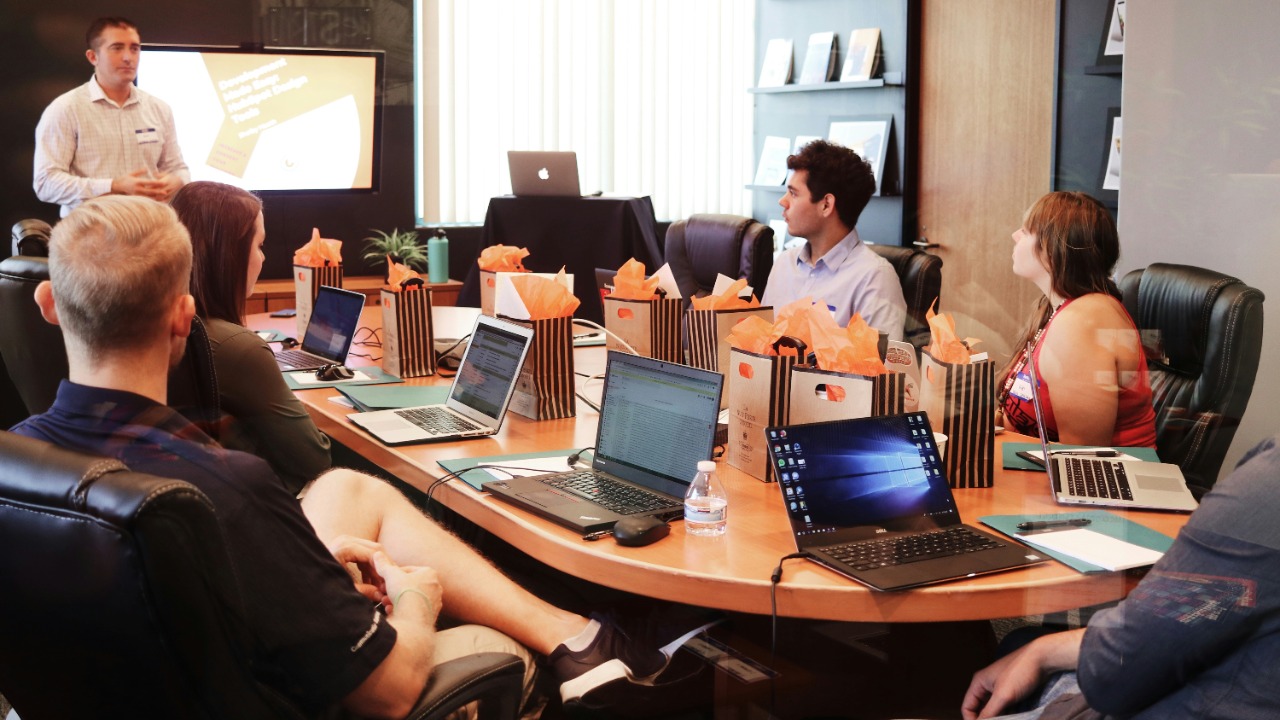
The rise of side hustles is reshaping traditional employment models, leading to shifts in employment norms. As more individuals prioritize flexibility and independence, companies may need to adapt their structures and offerings to attract and retain talent. This evolution could result in a more dynamic and diverse workforce, where traditional full-time roles coexist with freelance and gig-based opportunities.
The long-term economic impacts of a generation increasingly reliant on non-traditional income sources are significant. As Gen Z continues to embrace side hustles, there may be broader implications for industries and markets. New business models and services could emerge to cater to this shift, influencing everything from financial services to real estate.
Policy and regulatory considerations are also crucial as the side hustle economy grows. Governments may need to address issues such as labor rights, taxation, and social security for gig workers. Ensuring fair treatment and protection for those who rely on side hustles for their livelihood will be essential in creating a sustainable and equitable economic environment.

Cole Whitaker focuses on the fundamentals of money management, helping readers make smarter decisions around income, spending, saving, and long-term financial stability. His writing emphasizes clarity, discipline, and practical systems that work in real life. At The Daily Overview, Cole breaks down personal finance topics into straightforward guidance readers can apply immediately.
