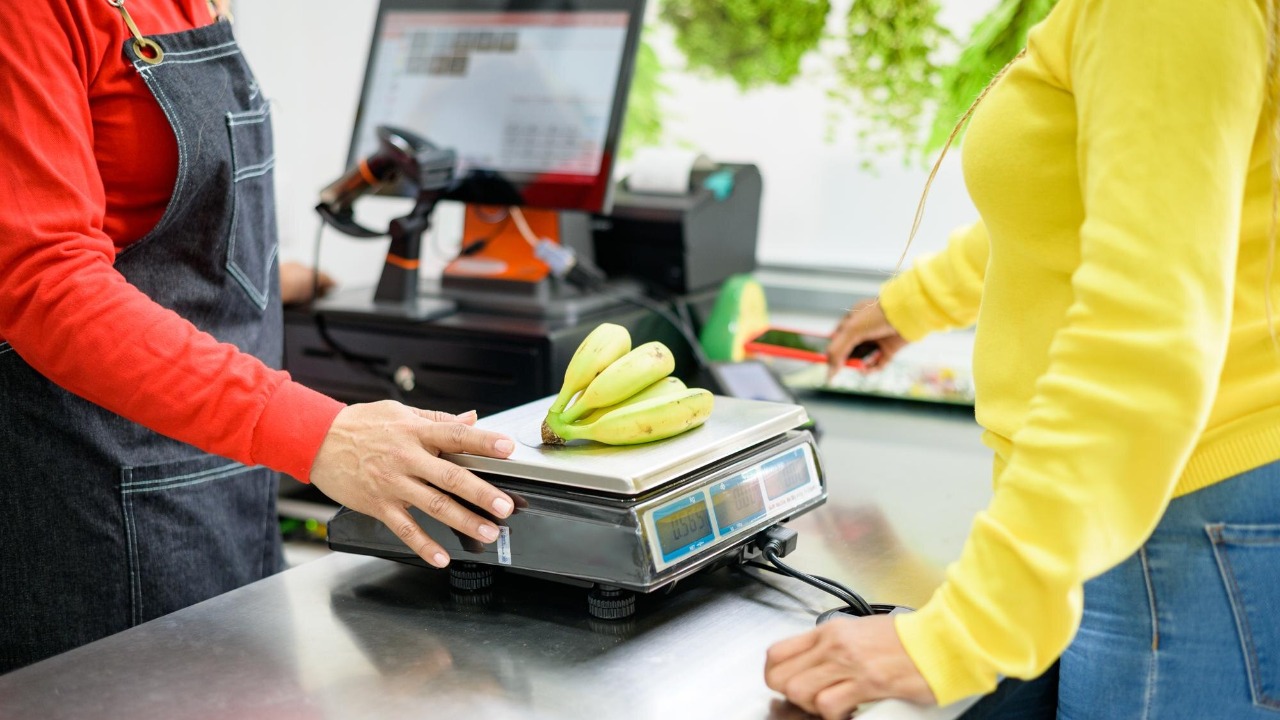
In recent months, grocery bills across the nation have seen a noticeable uptick, as three major corporations have increased prices on everyday essentials. With almost 90% of Americans expressing concern over grocery costs, this development adds further strain to household budgets. Reasons behind the price hikes, the impact on consumers, and potential ways to mitigate rising expenses are crucial areas of exploration.
The Big Three: Who’s Behind the Price Hikes
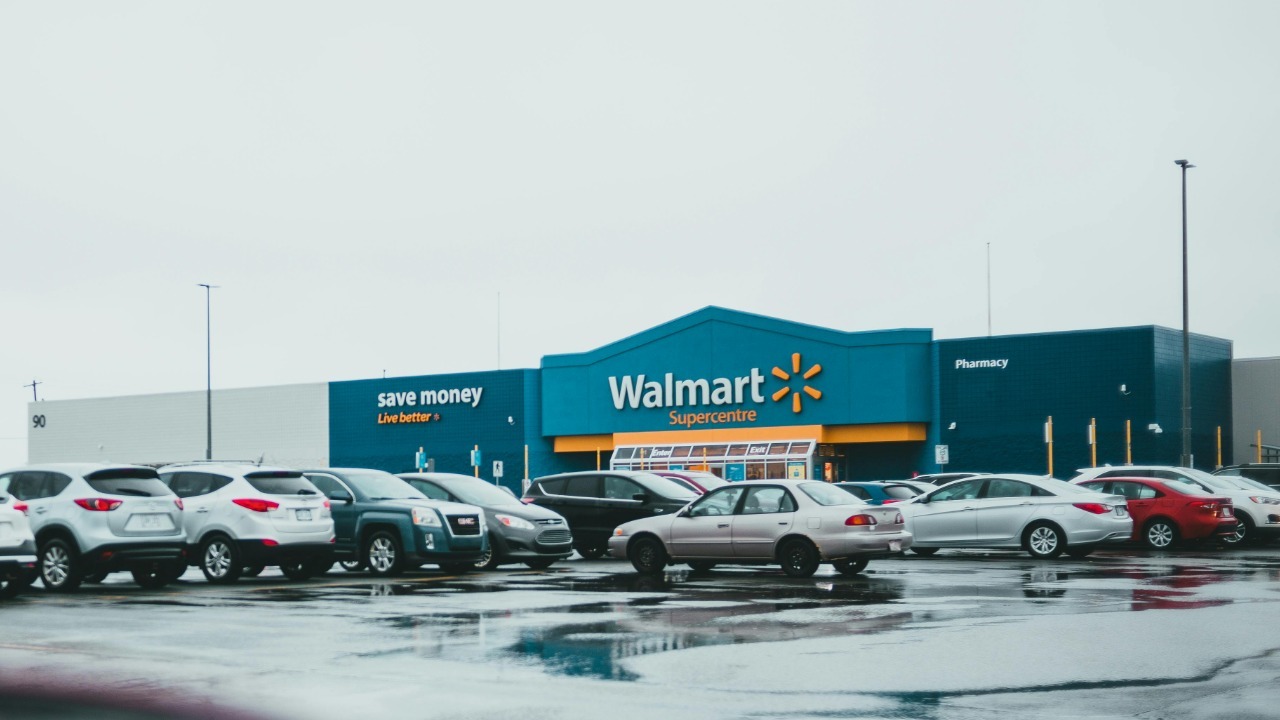
The grocery landscape is dominated by a few large players, and among them, three giants have particularly stood out for their recent price increases: Walmart, Kroger, and Costco. These companies wield significant market influence, collectively accounting for a substantial share of the grocery market. Their decisions can ripple across the entire industry, setting pricing trends that others may follow. Historically, each of these companies has maintained competitive pricing strategies to attract cost-conscious shoppers, but recent conditions have prompted a shift.
In examining historical pricing trends, it’s clear that these corporations have occasionally adjusted prices in response to broader economic factors. For instance, during the financial crisis of 2008, similar trends were observed as companies adjusted their pricing to maintain profitability amidst economic uncertainty. Corporate statements highlight current justifications for these price hikes. Walmart, for instance, has cited increased operational costs, while Kroger attributes the increases to rising supplier prices. Costco, known for its bulk sales, points to supply chain challenges as a key factor.
Factors Driving the Price Increase

Economic pressures, particularly inflation, play a pivotal role in the rising costs of groceries. Inflation affects not only the cost of goods but also operational expenses for companies, such as labor and transportation. As these costs rise, companies often pass them along to consumers to maintain profit margins. According to the Forbes report, many Americans are increasingly worried about the compounding effect of inflation on their grocery bills.
Supply chain disruptions have been another significant factor. The global pandemic highlighted vulnerabilities in supply chains, from production to distribution. This has resulted in delays and increased costs for transporting goods, which ultimately affects pricing on store shelves. Moreover, tariffs and regulatory impacts have further complicated the situation. Tariffs can increase the cost of imported goods, which many grocery items rely on, thereby contributing to the overall price increase.
Consumer Impact: How Are Shoppers Coping?

With grocery prices on the rise, consumers are feeling the pinch. Survey data reveals that a significant portion of the population, nearly 90%, is concerned about their grocery expenses. This sentiment has led to a shift in shopping habits, with many consumers seeking more cost-effective alternatives. According to a study published in ScholarWorks, shoppers are increasingly turning to generic brands, buying in bulk, and utilizing coupons to stretch their budgets further.
The financial strain on households is particularly pronounced among those with limited financial flexibility. Families are often forced to make tough choices, such as cutting back on non-essential items or even reducing the quantity of essential goods they purchase. This is evident in lower-income households, where the proportion of income spent on groceries is already substantial. As prices rise, the burden becomes even more significant, highlighting the need for effective coping strategies.
Strategies for Reducing Your Grocery Bill
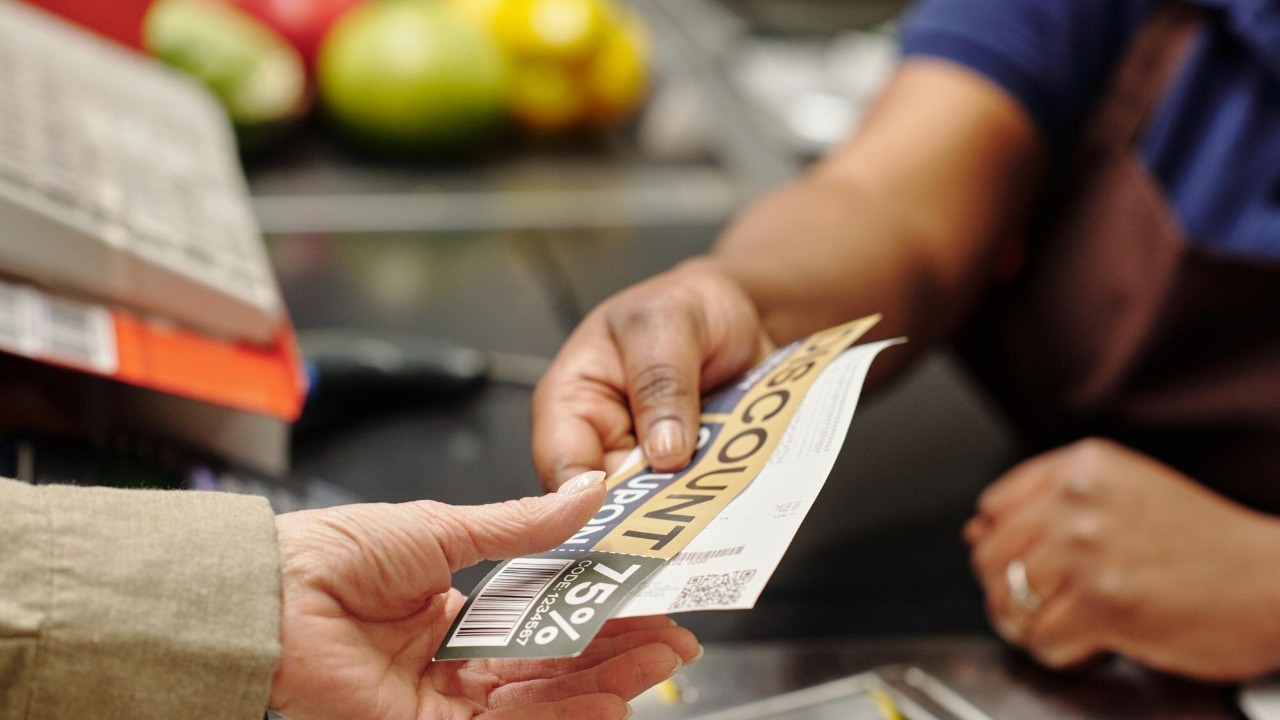
Despite the challenging landscape, there are several strategies consumers can employ to mitigate rising grocery costs. Implementing budget-friendly shopping tips can make a significant difference. For instance, planning meals around sales and seasonal produce, using loyalty programs, and leveraging digital coupons can help reduce overall expenses. Additionally, exploring alternative shopping options such as local farmers’ markets, discount stores, or online grocery platforms may yield better deals.
Moreover, consumers can play a role in advocating for policy changes that address the root causes of price hikes. Engaging in community or political action, such as supporting initiatives aimed at improving supply chain efficiency or reducing tariffs, can contribute to long-term solutions. Encouraging transparency and accountability in corporate pricing practices is another avenue for consumer advocacy.
Looking Ahead: The Future of Grocery Pricing
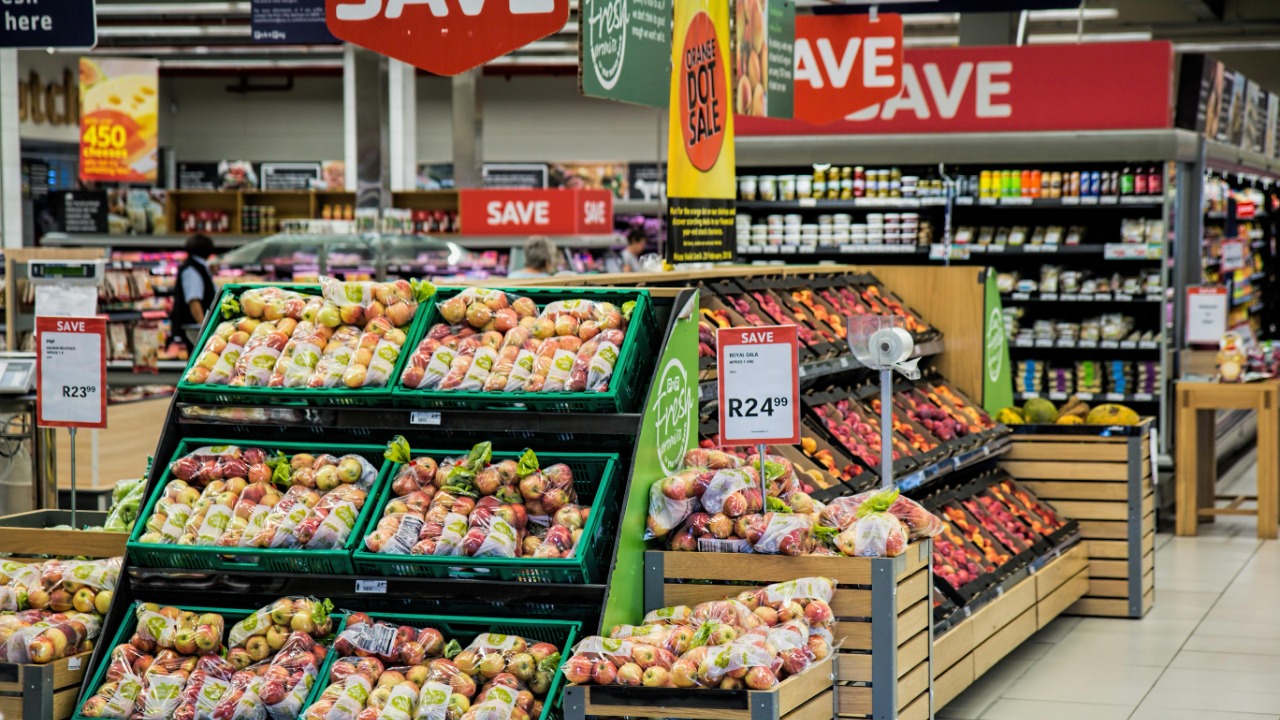
Looking to the future, expert insights offer a mixed outlook on grocery pricing trends. While some predict that current price hikes may continue in the short term due to persistent economic pressures and supply chain challenges, others anticipate eventual stabilization as these issues are addressed. Innovations in the industry, such as advancements in logistics technology and alternative food production methods, may help curb costs in the long run.
Consumer awareness and advocacy remain crucial. By staying informed about market practices and participating in advocacy efforts, consumers can influence corporate and government policies to promote fair pricing. As the grocery market evolves, maintaining a proactive approach will be essential in navigating the challenges of rising grocery costs.

Grant Mercer covers market dynamics, business trends, and the economic forces driving growth across industries. His analysis connects macro movements with real-world implications for investors, entrepreneurs, and professionals. Through his work at The Daily Overview, Grant helps readers understand how markets function and where opportunities may emerge.

