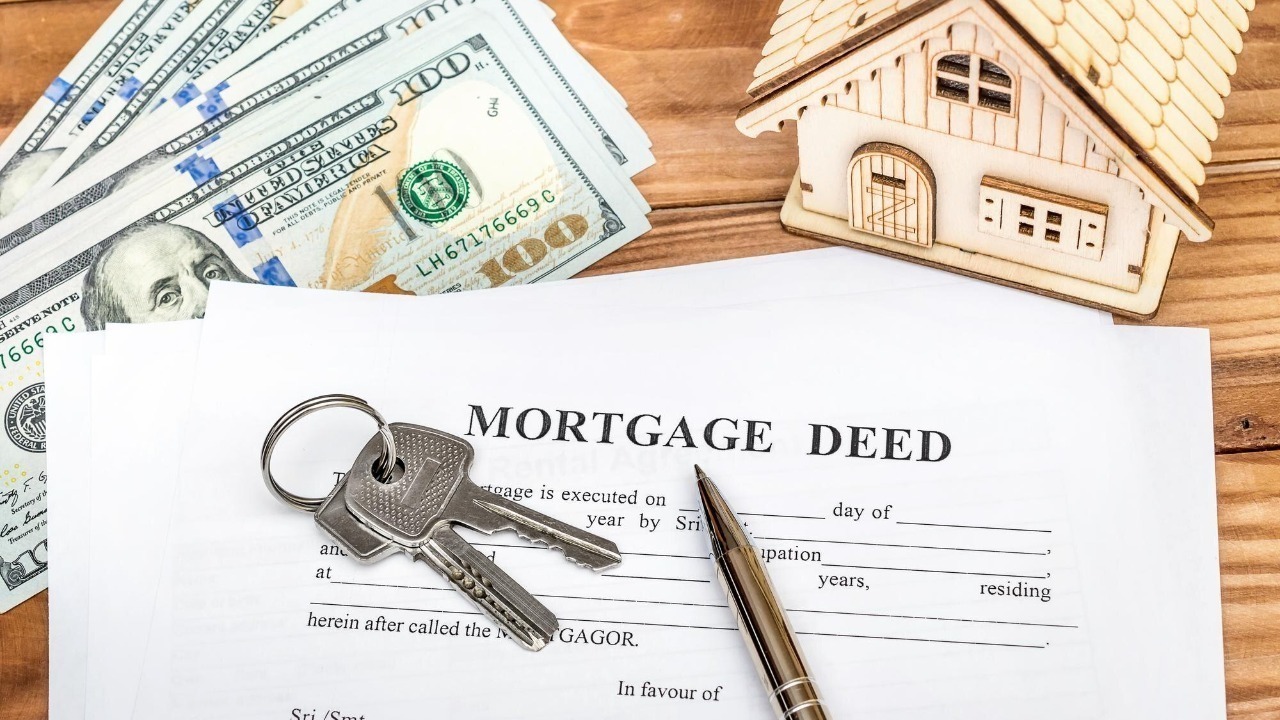
More than 70 Georgia homeowners who signed papers with a company called Home Saver 911 must get their home titles back by November 20, under a court judgment that also wipes out every contract the company and a sister business signed in the state.
According to the state, the homeowners believed they were taking out personal loans. The paperwork also handed over ownership of their houses, including homes the families were living in, state officials say.
What the Fulton County judgment requires
A Fulton County Superior Court judge approved a final consent judgment on November 6 against Home Saver 911 LLC and Flex Financial 911, Attorney General Chris Carr’s office announced on November 9.
Under the order, all Georgia contracts with the two companies are unenforceable, and the companies cannot go after anyone for money under them or keep collecting payments. Any property title still in their names must be returned to the homeowner by November 20, 2026. Both companies are also permanently barred from residential real estate transactions in Georgia.
Carr said the case should send a message that this kind of conduct will not be tolerated in Georgia. The announcement does not list a dollar amount of restitution or penalties against the two companies.
Inside the kit: A fraud evidence and report log and the first-hour recovery plan fit the work facing a family that signed a deed it believed was a loan: gathering every page, payment and call, and reporting it in the right order. Both are part of The Senior Fraud Defense & First-Hour Recovery Kit, built for keeping that record straight from the first contact.
How the Home Saver 911 deals worked
According to the complaint the attorney general’s office filed in September 2025, the company used high-pressure sales tactics to get homeowners to sign documents presented as personal loans. What the homeowners did not know, the state says, was that the same documents transferred title to their homes.
That turned a short-term borrowing deal into the loss of the house itself. Some of the properties were primary residences, according to the attorney general’s office, and the order includes relief for homeowners whose houses went to foreclosure.
The consent judgment resolves the case without a trial. The announcement does not say how many titles were still held by the companies when the judge signed the order.
Surplus foreclosure money for homeowners who lost a house
The order gives a separate path to homeowners whose houses were already sold at foreclosure. Those consumers may apply for surplus funds, the money left over when a foreclosure sale brings in more than what was owed, and the companies are barred from claiming that surplus for themselves.
For a family that lost a home, that surplus can be the only money left from years of equity. The practical step is applying for it directly rather than waiting for anyone to send it, and keeping copies of every document signed with the company.
A second Georgia case built on home equity
The Home Saver 911 judgment follows the state’s action against MV Realty, a Florida brokerage. In August 2025, a court order ended all MV Realty contracts in Georgia, according to the attorney general’s office.
MV Realty sold a “Homeowner Benefit Program” pitched as a way to get cash without borrowing. More than 3,300 Georgians signed up and were locked into 40-year agreements that cost them or their heirs at least 3% of the home’s value if the house was sold without the company, transferred or lost to foreclosure. The company recorded documents that acted as liens until the court ended them. A June 2026 consent judgment requires MV Realty to pay $1 million in restitution, and consumers who paid early termination fees will get part of that money back through the Consumer Protection Division.
The deed warning signs and where Georgians can report them
The state’s consumer education guide on foreclosure scams warns about buyers who offer to pay off a mortgage or buy a home if the owner signs over the deed, sometimes with an offer to rent it back. The mortgage stays in the owner’s name until it is paid off or the lender approves someone else to take it over, so signing the deed does not end the debt. Victims often do not realize they have given up both the property and its equity.
The guide also flags anyone who charges a fee to stop a foreclosure and anyone who makes unsolicited contact after a notice of default becomes public. It points homeowners to free help from HUD-approved housing counselors and the Homeowner’s HOPE Hotline at 888-995-HOPE.
Complaints go to the attorney general’s Consumer Protection Division at (404) 651-8600 in the Atlanta area or (800) 869-1123 elsewhere in Georgia, or online at consumer.georgia.gov.
Getting a deed back is not the end of the paperwork
The Fulton County order returns titles to Home Saver 911 customers, but each homeowner still has to confirm the county record changed, track any surplus money claim and keep proof of what was signed and paid. Those records are what the Consumer Protection Division and any later claim will ask for, and they are easy to lose in a move or a foreclosure.
The Senior Fraud Defense & First-Hour Recovery Kit includes a fraud evidence and report log, the first-hour recovery plan and the free credit-freeze steps for organizing the record after a scam.
See the fraud evidence and report log in The Senior Fraud Defense & First-Hour Recovery Kit.
This article was created with AI assistance and reviewed for accuracy against the Georgia Attorney General’s announcement and Georgia consumer protection guidance.

Silas Redmond writes about the structure of modern banking, financial regulations, and the rules that govern money movement. His work examines how institutions, policies, and compliance frameworks affect individuals and businesses alike. At The Daily Overview, Silas aims to help readers better understand the systems operating behind everyday financial decisions. He also covers scams, fraud cases and the audits that expose them.