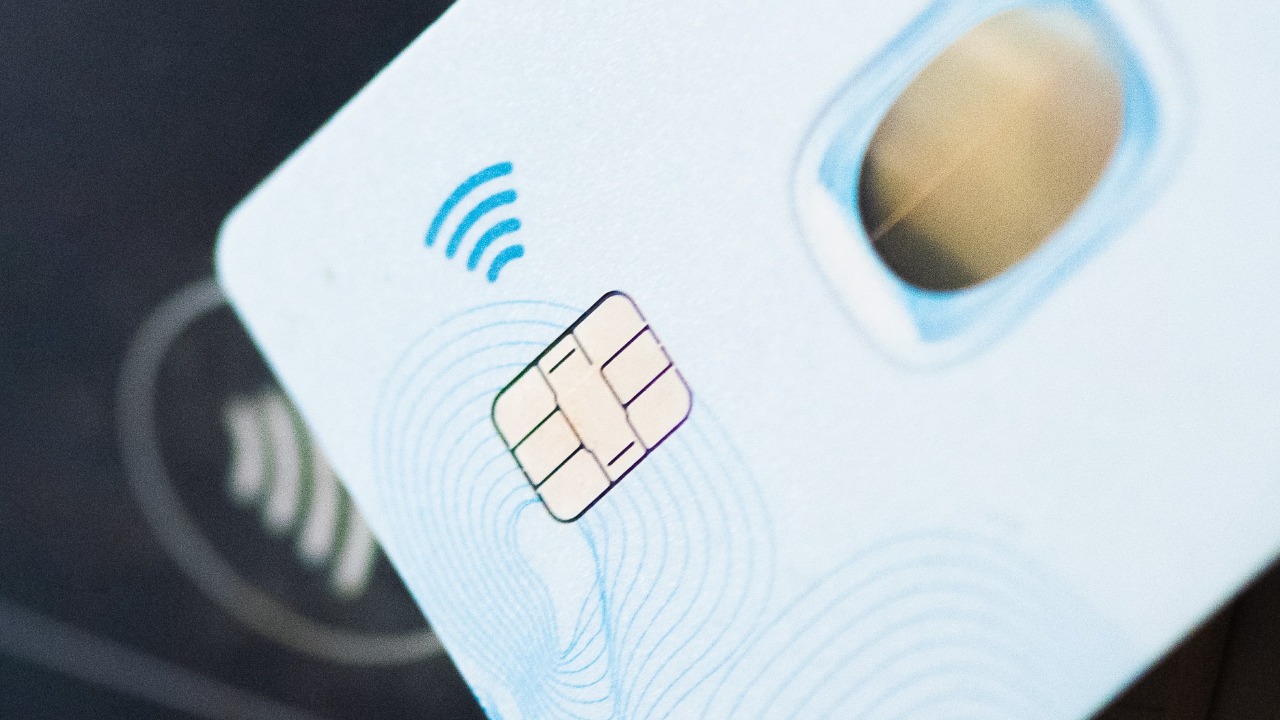
Contactless payments were supposed to make checkout lines faster and safer, but criminals are now exploiting the same tap-to-pay tech to skim money from distracted shoppers. A tactic known as “ghost tapping” uses hidden or handheld card readers to trigger payments you never meant to make, often in crowded public spaces where a few seconds of confusion are all a scammer needs. I want to walk through how this works, what is actually confirmed about the risk, and the practical steps that make you a much harder target.
What ghost tapping actually is, and why it is spreading now
Ghost tapping is a form of contactless payment fraud where a criminal brings a payment terminal close enough to your card, phone, or smartwatch to trigger a transaction without your knowledge. Instead of stealing your physical wallet, the scammer relies on the short-range radio signal used by NFC (near-field communication) to silently request a payment while you stand in a queue, ride public transport, or browse in a store. The victim often only discovers the charge later, when a bank alert or statement shows a small, unexplained payment to a merchant they do not recognize.
Security researchers have documented that modern contactless cards and devices are designed to work within a few centimeters, but in busy environments that distance can be closed very easily by someone holding a concealed reader in a bag or jacket pocket. Reports on contactless card fraud note that criminals have experimented with portable terminals and modified readers to capture quick payments from unsuspecting passersby. Law enforcement and consumer advocates describe ghost tapping as an evolution of older “tap and go” scams, taking advantage of how normal it now feels to pay by simply holding your phone or card near a terminal.
How criminals pull off a ghost tap in real life
In practice, ghost tapping usually depends on proximity, distraction, and low-value limits. A scammer may queue behind you at a coffee shop, stand close on a train, or brush past you in a shopping mall while a portable terminal in their bag attempts to charge a small amount, often under the contactless limit so no PIN or biometric check is required. Because many banks allow quick tap payments up to a set threshold, a single successful tap can be enough to move money before you notice anything is wrong.
Investigations into contactless scams describe criminals using merchant accounts registered to shell companies or stolen identities, so the payment appears to go to a legitimate business. Some cases involve tampered terminals in real shops, where a device is configured to run an extra transaction after a genuine purchase. Others rely on stolen or cloned terminals that can be carried around like any other handheld gadget. Across these scenarios, the core technique is the same: get a reader close enough to your card or device to trigger a tap without raising suspicion.
Why tap-to-pay is vulnerable, and where protections already exist
Contactless systems are not wide-open radio beacons, but they do trade some friction for convenience. NFC cards and devices respond automatically when they are close to a powered reader, which is what makes tapping so fast at the checkout. That same design means a malicious terminal can initiate a transaction if it gets close enough, even if you never intended to pay. The risk is highest for cards that allow offline or low-value payments without extra checks, because the bank may not require a PIN or biometric confirmation for every tap.
At the same time, payment networks and banks have built-in safeguards that limit how far ghost tapping can go. Card issuers often cap contactless transactions at a specific amount and require a PIN after a certain number of taps, and digital wallets like Apple Pay and Google Pay typically insist on Face ID, Touch ID, or a device unlock before approving a payment. Industry guidance on contactless security stresses that each tap uses a unique cryptographic code, which makes large-scale cloning difficult and helps banks spot unusual patterns. When fraud does occur, consumer protection rules in many countries require card providers to refund unauthorized transactions, provided the customer reports them promptly.
Red flags that suggest you have been hit by ghost tapping
Because ghost tapping is designed to be invisible in the moment, the first warning sign is usually a payment you do not remember making. That might be a small charge for a few pounds or dollars to a business name you do not recognize, or a cluster of low-value taps in quick succession while you were commuting or shopping. If you use banking apps with instant alerts, a notification for a tap payment when your card never left your pocket is a strong indicator that something is wrong.
Consumer watchdogs that track unauthorized payments advise checking statements regularly for unfamiliar merchants, especially those based in locations you did not visit. Another red flag is a bank message about your contactless limit being reached or your card being temporarily blocked after “too many” taps, even though you only recall a few legitimate purchases. In some reported cases, victims only realized they had been targeted when a bank’s fraud team contacted them about a pattern of small, repeated contactless payments that did not fit their usual spending.
How to protect your cards, phone, and smartwatch from ghost taps
Reducing your exposure to ghost tapping starts with controlling when your payment credentials are actually able to respond. One simple step is to keep physical cards in a wallet or purse with RFID-blocking material, which can prevent NFC signals from reaching a hidden reader. For phones and smartwatches, you can turn off tap-to-pay features when you are not using them, or require a biometric check for every transaction so a thief or nearby scammer cannot approve a payment just by getting close to your pocket or wrist.
Security experts who study contactless payment safety also recommend tightening your app and account settings. That can include lowering your contactless limit where your bank allows it, enabling real-time spending alerts, and using virtual cards for services that store your details. On devices, keeping your operating system and wallet apps updated ensures you benefit from the latest security patches and fraud detection tools. In crowded places, it is worth treating your phone and cards like valuables: avoid leaving them loose in outer pockets, and be wary of anyone who insists on holding your device near a terminal on your behalf.
What to do if you suspect a ghost tap, and how banks are responding
If you spot a payment you did not authorize, the most important step is to contact your bank or card issuer immediately and report it as fraud. Financial regulators that oversee card payment disputes make clear that customers are usually entitled to a refund for unauthorized transactions, unless there is evidence of gross negligence or deliberate misuse. When you call, be ready to confirm which transactions are genuine, when you last had the card in your possession, and whether your phone or smartwatch could have been used.
Banks increasingly rely on automated systems to flag suspicious contactless activity, and some have started to treat clusters of small taps in unusual locations as a trigger for extra checks. Industry reports on fraud trends show that while contactless fraud exists, it remains a relatively small share of overall card crime compared with online and card-not-present scams. Even so, the growth of tap-to-pay has pushed providers to refine their rules, from tightening merchant onboarding to monitoring terminals that generate high volumes of low-value transactions. If your bank’s response feels inadequate, you can escalate a complaint through formal dispute channels or, in some jurisdictions, to an ombudsman or financial regulator.
More From TheDailyOverview

Grant Mercer covers market dynamics, business trends, and the economic forces driving growth across industries. His analysis connects macro movements with real-world implications for investors, entrepreneurs, and professionals. Through his work at The Daily Overview, Grant helps readers understand how markets function and where opportunities may emerge.