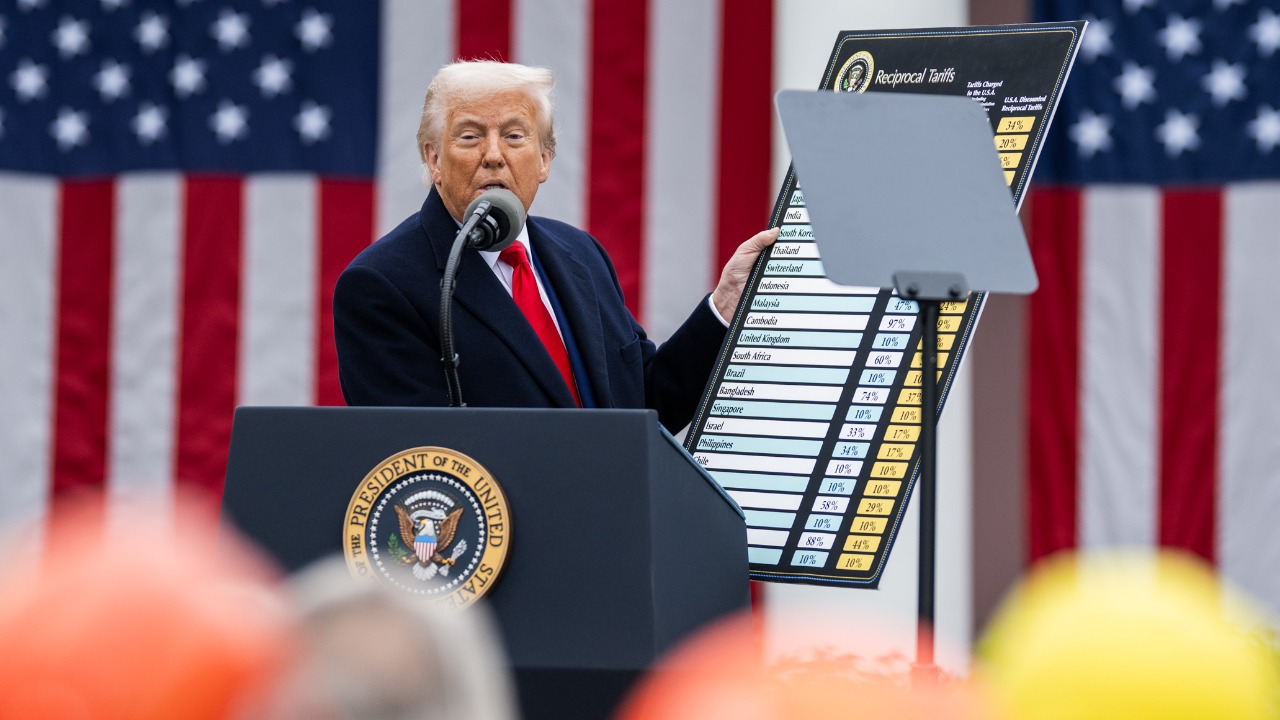
In the wake of the tariffs imposed by the Trump administration, several retailers have been exposed for exploiting these trade measures to justify unjustifiable price hikes. These tactics have allowed retailers to profit at the expense of consumers, as revealed by recent exposés and economic analyses.
Understanding Trump’s Tariffs
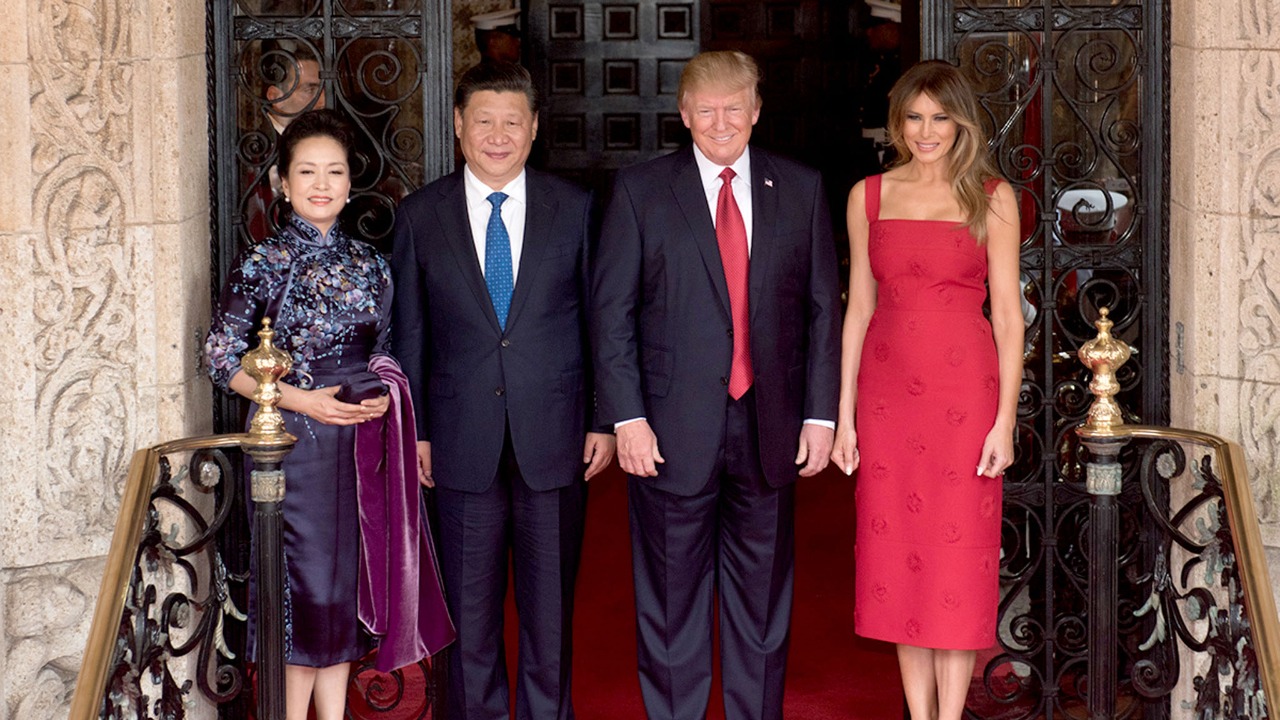
The tariffs implemented by the Trump administration primarily targeted Chinese goods in an effort to recalibrate the trade imbalance between the U.S. and China. The rationale was to bolster American industries by making imported goods more expensive, thereby encouraging domestic consumption and production. However, this geopolitical strategy quickly translated into economic turbulence, with prices across various sectors seeing immediate hikes.
Initially, the tariffs had a predictable impact on market dynamics, leading to increased costs for raw materials and finished goods alike. Industries heavily reliant on imported components felt the pinch most acutely, passing on these increased costs to consumers. However, the actual correlation between tariff-induced costs and retail price increases often revealed a significant discrepancy.
The Tactics of Price Gouging
Retailers have capitalized on consumer confusion surrounding tariffs to justify disproportionate price hikes. Many consumers are unaware of the actual cost implications of tariffs, providing retailers with an opportunity to inflate prices under the guise of increased import costs. This lack of clarity enables deceptive pricing strategies that exploit consumer trust.
Transparency in pricing has become a critical issue, as retailers often obscure the true impact of tariffs on their cost structures. Case studies have revealed instances where companies used tariffs as a convenient scapegoat to maintain or even increase profit margins. For example, studies have shown that some retailers blamed tariffs for price hikes that far exceeded any logical correlation with increased import costs.
Economic and Consumer Impact

The economic ripple effects of these artificially inflated prices are widespread. When consumers face higher prices due to perceived tariff impacts, their purchasing power diminishes, leading to reduced spending in other areas. This, in turn, can stifle economic growth, as consumer spending is a significant driver of the economy.
Beyond the immediate financial implications, there is a growing erosion of consumer trust in the retail sector. When consumers feel misled by unjustified price increases, their loyalty to brands and retailers can wane. This erosion of trust has long-term consequences for the retail industry, potentially leading to a realignment of consumer-brand relationships.
Investigations and Exposures
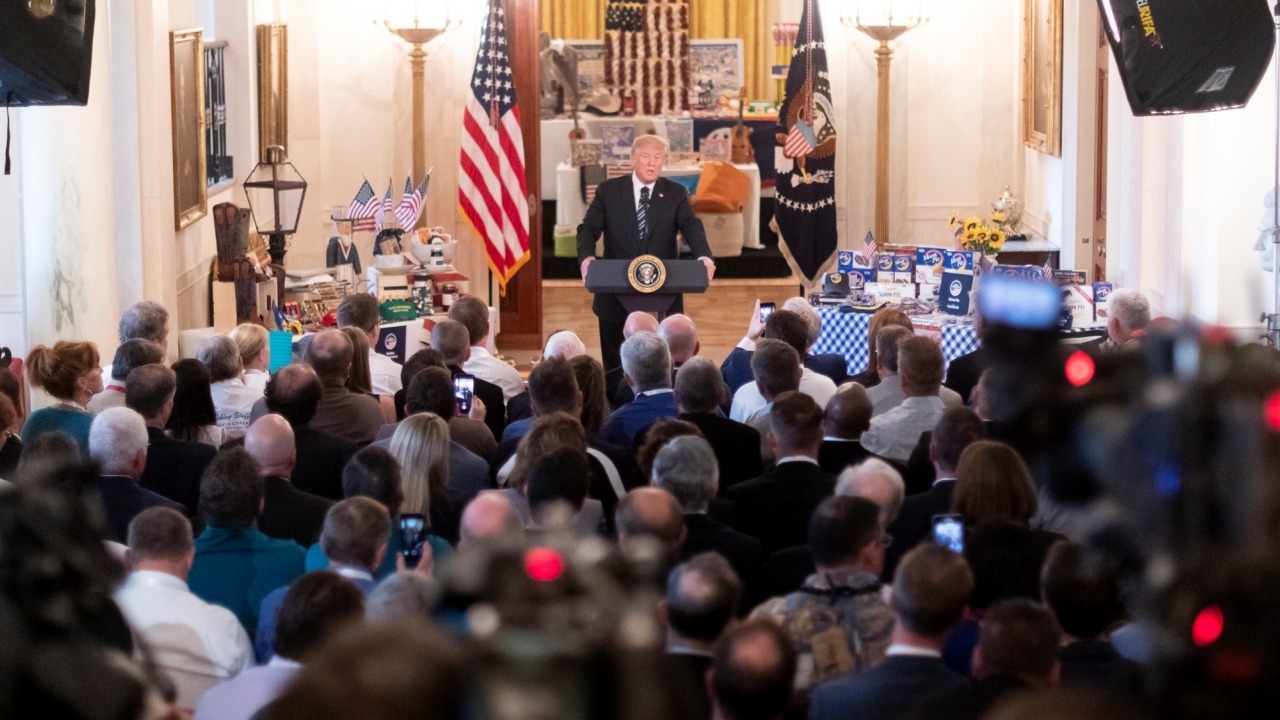
Several key players, including journalists and analysts, have been pivotal in bringing these price gouging practices to light. Their investigations have revealed the extent to which certain retailers have manipulated pricing strategies, using tariffs as a pretext. For instance, detailed reports have highlighted the role of whistleblowers in exposing these unethical practices.
In response, government and regulatory bodies have begun taking action against companies found guilty of price gouging. These actions include fines and sanctions, aimed at deterring future misconduct. The legal framework surrounding price gouging is being scrutinized to ensure that businesses adhere to ethical pricing standards, maintaining fair competition and consumer protection.
Solutions and Recommendations
To prevent future exploitation, several policy recommendations have been put forward. These include stricter regulatory oversight and the implementation of clearer guidelines for price adjustments in response to tariff changes. Encouraging transparency in pricing strategies is essential for maintaining consumer trust and ensuring fair market competition.
Educating consumers is another critical component of tackling price gouging. By enhancing consumer awareness of genuine price changes versus exploitative practices, individuals can make more informed purchasing decisions. Meanwhile, businesses must be held accountable for their pricing strategies, with an emphasis on corporate responsibility and transparency. For further insights, consumer groups like this community are actively discussing these issues.

Grant Mercer covers market dynamics, business trends, and the economic forces driving growth across industries. His analysis connects macro movements with real-world implications for investors, entrepreneurs, and professionals. Through his work at The Daily Overview, Grant helps readers understand how markets function and where opportunities may emerge.

