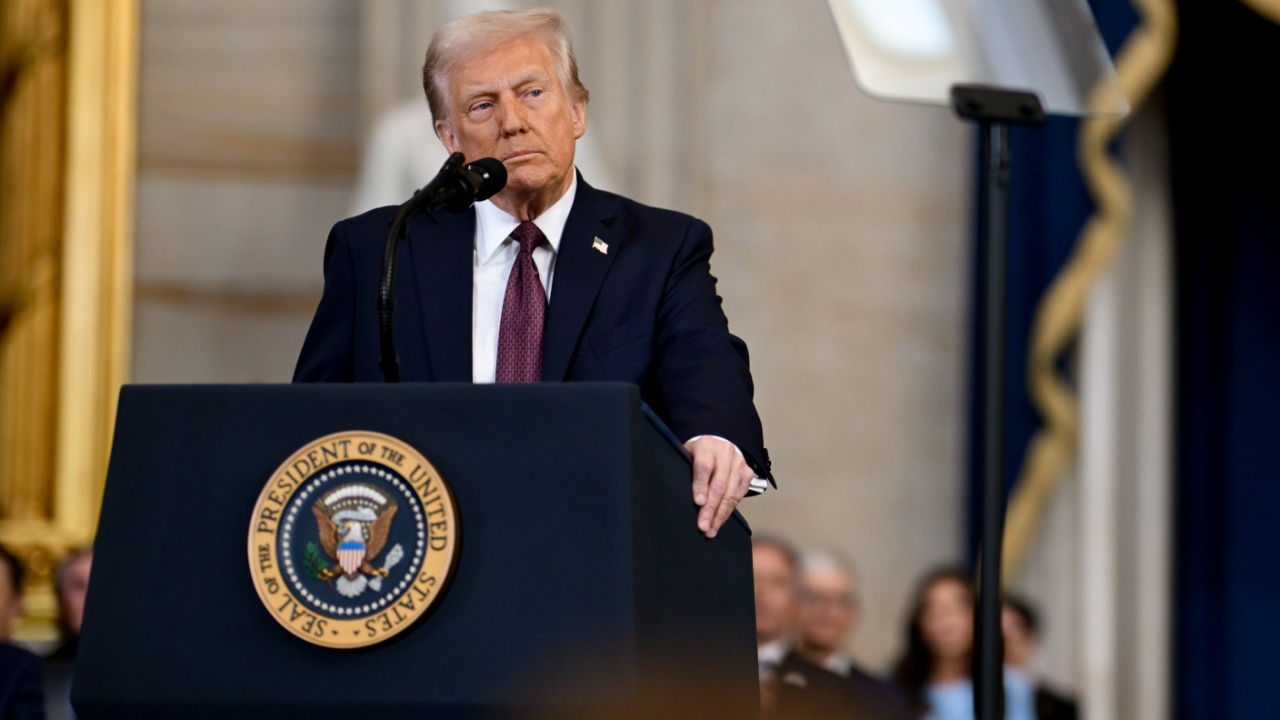
The recent legislative push by former President Donald Trump has resulted in a significant reduction in the Supplemental Nutrition Assistance Program (SNAP) benefits across ten states. This move has raised concerns about the socio-economic impact on millions of American families who depend on these benefits for their daily sustenance.
Overview of the SNAP Program
The Supplemental Nutrition Assistance Program, known as SNAP, has been a cornerstone of American welfare policy since its inception. Initially established in the 1960s, SNAP provides crucial food assistance to low-income individuals and families. By reducing food insecurity, it plays a vital role in supporting the health and well-being of millions of Americans.
SNAP is particularly important for low-income families and individuals who struggle to make ends meet. It offers a financial lifeline that helps cover the cost of groceries, thereby alleviating some of the financial burdens these families face. Over the years, SNAP has undergone various changes and reforms, adapting to the economic conditions of the time. However, before Trump’s bill, no changes had been as controversial or impactful.
Details of Trump’s Bill
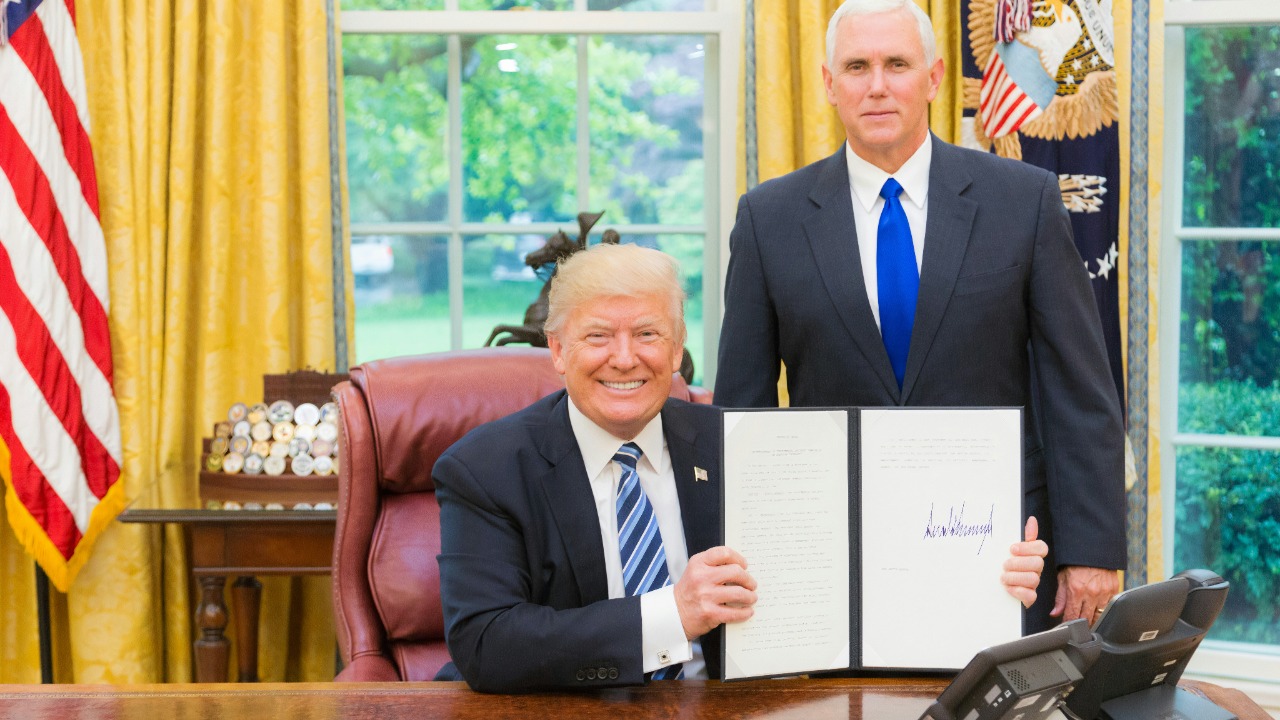
The bill introduced by Donald Trump aims to overhaul SNAP by implementing stricter work requirements and reducing eligibility for many recipients. One of the key components is the introduction of mandatory work or training programs for able-bodied adults without dependents. This measure is intended to encourage self-sufficiency and reduce dependency on government assistance.
Compared to previous SNAP policies, Trump’s bill takes a more stringent approach. While past reforms focused on expanding access and increasing benefits, Trump’s legislation emphasizes reducing costs and promoting work. The political motivations behind the bill are complex, with supporters arguing that it will save taxpayer money and critics claiming it unfairly targets vulnerable populations. The responses from both sides of the aisle have been polarized, reflecting broader debates about the role of government in welfare provision.
States Most Affected
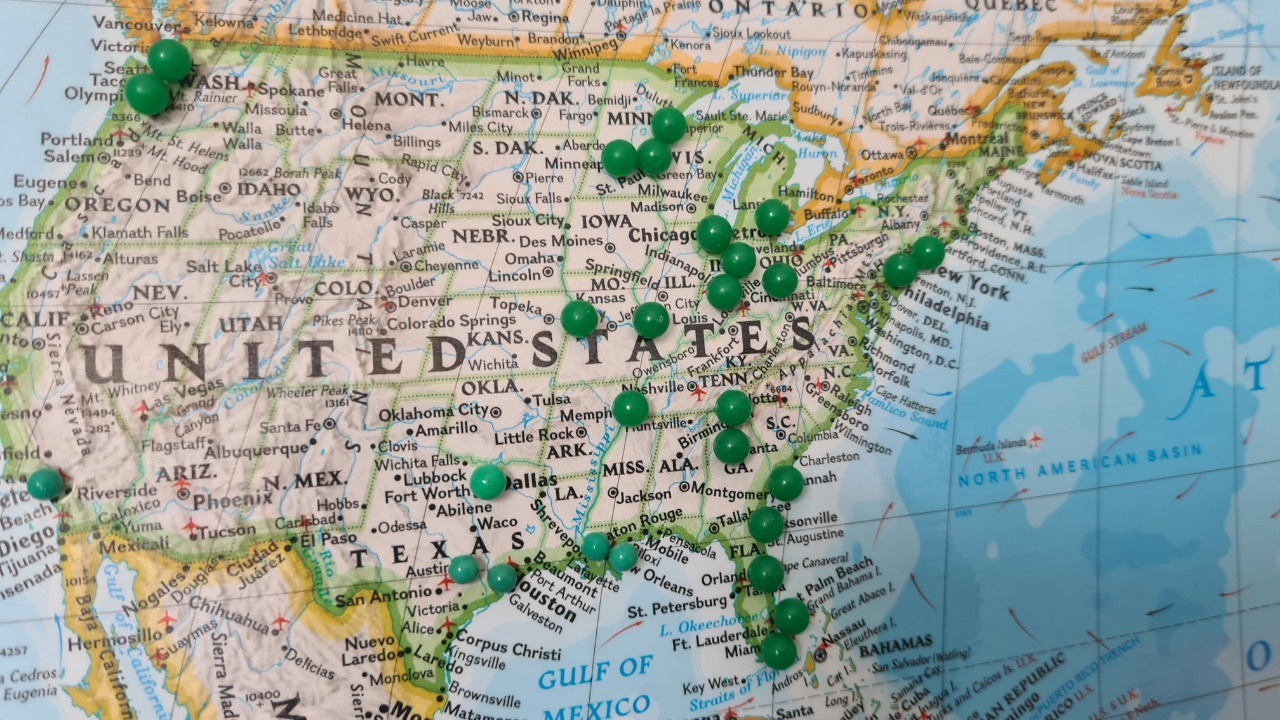
The ten states facing the harshest cuts under the new SNAP bill include Alabama, Arkansas, Georgia, Kentucky, Louisiana, Mississippi, Missouri, Oklahoma, Tennessee, and West Virginia. These states were targeted based on a combination of factors, including their existing levels of SNAP participation, economic conditions, and political considerations.
Analyzing why these particular states were selected reveals a pattern of targeting regions with higher poverty rates and greater reliance on SNAP benefits. This decision has sparked controversy, with some arguing that it disproportionately affects already struggling communities. For a comprehensive list of these states and further details, see this Yahoo News article.
Economic and Social Implications
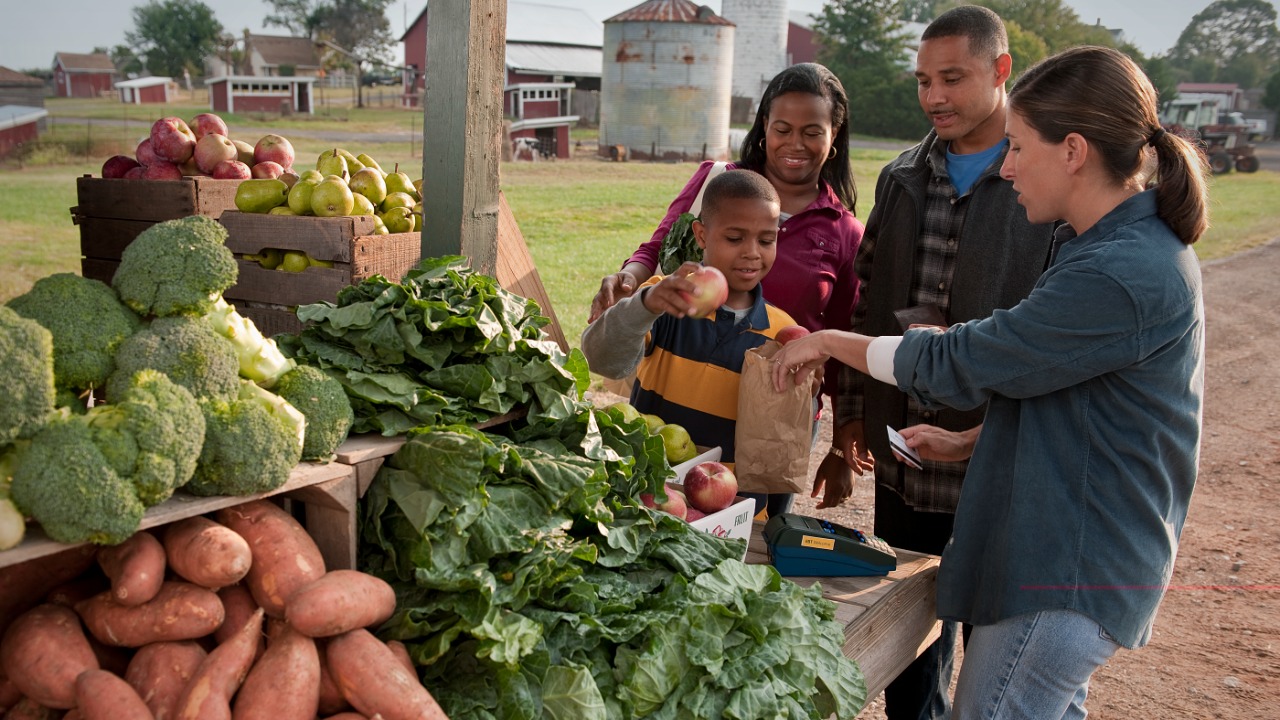
The economic effects of SNAP cuts in these states could be significant. In the short term, reduced benefits may lead to increased financial strain on low-income households, potentially resulting in higher levels of poverty and food insecurity. Over the long term, these cuts could have broader implications for local economies, as reduced spending power among SNAP recipients may lead to decreased demand for goods and services.
Socially, the potential outcomes are equally concerning. Increased poverty and food insecurity could exacerbate issues such as poor health and educational attainment among affected populations. Read more on CNBC about how these changes might influence healthcare, education, and local economies.
Responses and Reactions
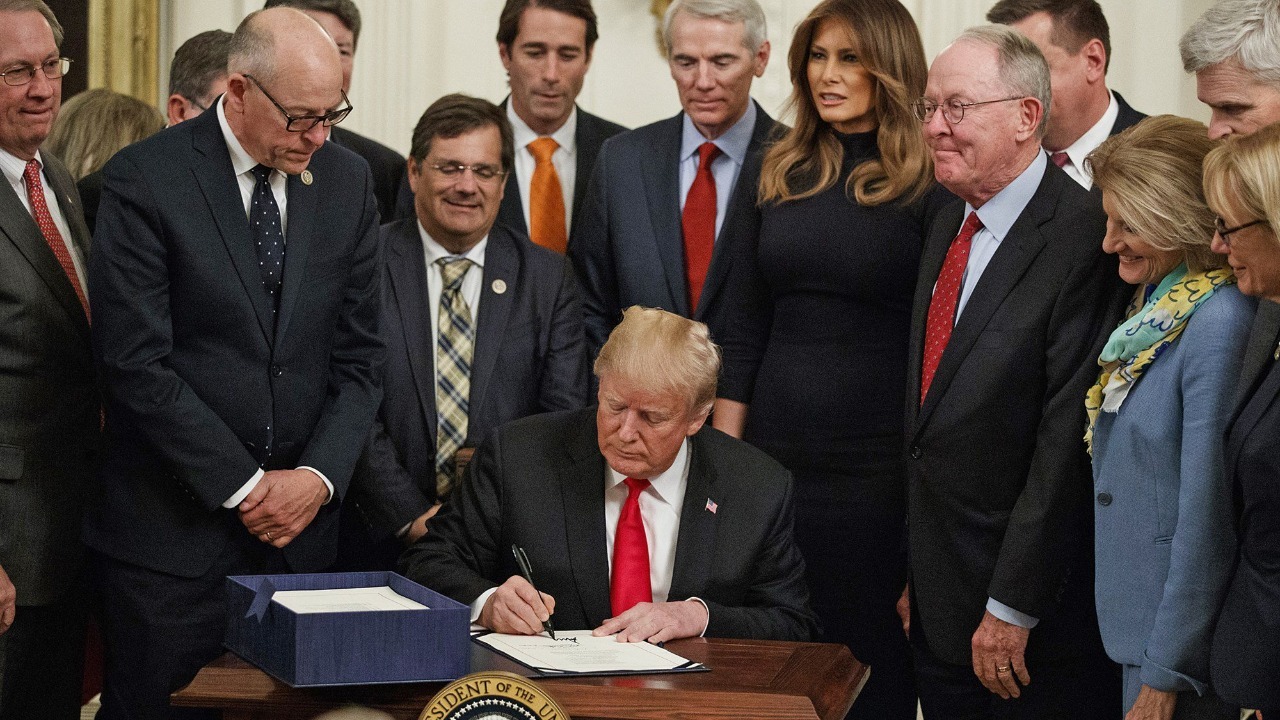
The public and political reactions to the SNAP cuts have been mixed. Supporters of the bill argue that it promotes personal responsibility and fiscal discipline, while critics claim it unfairly penalizes vulnerable populations. State governments and local organizations have expressed concern about the impact on their communities, with some pledging to explore alternative support measures.
Major media outlets and public figures have also weighed in on the issue, with coverage ranging from supportive to critical. The debate over SNAP cuts has highlighted broader tensions around welfare reform and the role of government in supporting low-income Americans. For an in-depth analysis, AOL provides additional insights into the various perspectives on this issue.
Looking Ahead: The Future of SNAP
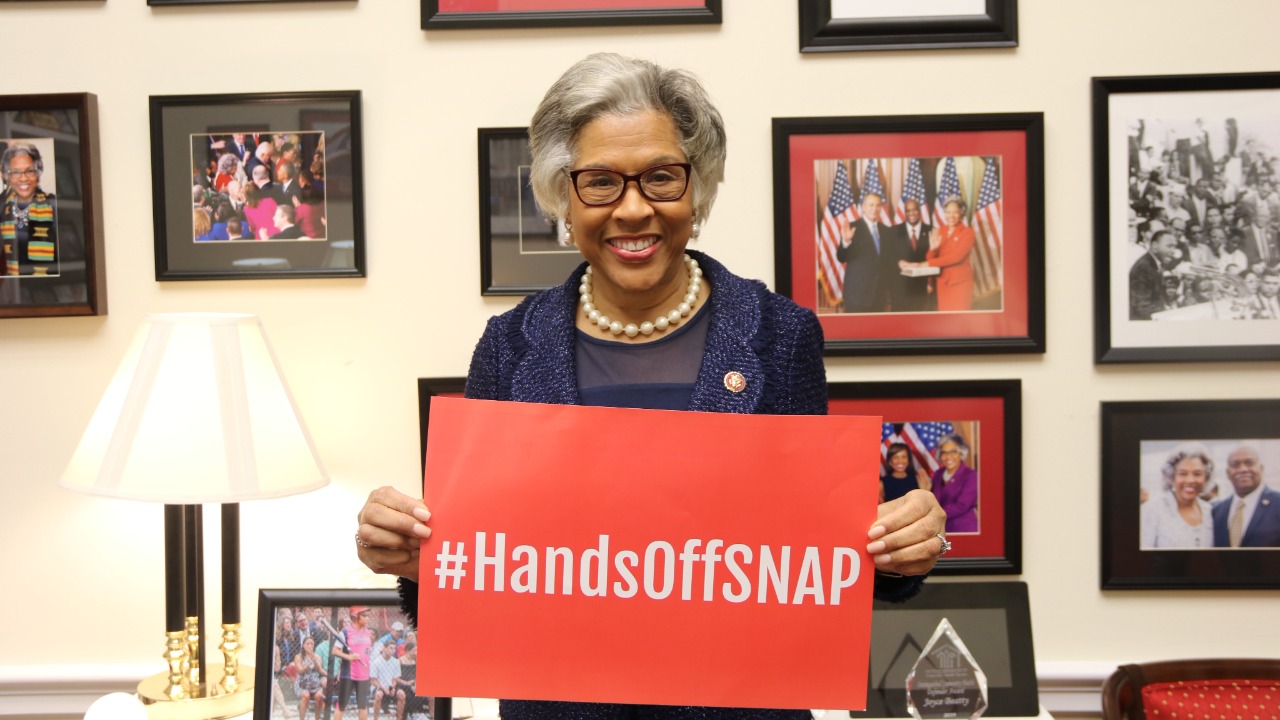
Looking to the future, there is potential for amendments or reversals of Trump’s bill under future administrations, as SNAP remains a contentious issue in American politics. Advocacy efforts and legal challenges are already underway, seeking to mitigate the impact of these cuts and protect vulnerable populations.
Beyond the immediate implications for SNAP, this legislative change could have broader consequences for social welfare programs in the United States. As debates continue, it remains to be seen how these issues will evolve and what the long-term impact will be on American society. For a deeper dive into the legislative context, explore this legal review.

Grant Mercer covers market dynamics, business trends, and the economic forces driving growth across industries. His analysis connects macro movements with real-world implications for investors, entrepreneurs, and professionals. Through his work at The Daily Overview, Grant helps readers understand how markets function and where opportunities may emerge.