
General Motors (GM) recently reported a significant decline in its quarterly profits, with a 35% drop attributed to various challenges, including tariffs and market dynamics. Despite this setback, the automaker remains optimistic, maintaining its full-year forecast that was adjusted earlier this year. The company continues to navigate these turbulent times with strategic agility, focusing on long-term growth and resilience.
Impact of Tariffs on GM’s Financial Performance

Tariffs have become a notable obstacle for General Motors, influencing its cost structure and overall profitability. The imposition of recent tariffs has led to an increase in the prices of raw materials like steel and aluminum, crucial components in automobile manufacturing. These increased costs have directly impacted GM’s bottom line, contributing to the 35% decline in quarterly profits. The company has had to navigate these challenging economic policies, which have complicated its supply chain and production costs.
Particular tariff policies have targeted key imports essential to GM’s manufacturing process. As a result, the automaker has faced increased expenses that have strained its financial performance. Analysts suggest that these tariffs have led GM to adopt a more cautious approach in its financial planning. Despite these hurdles, GM remains committed to finding ways to mitigate tariff impacts, leveraging strategic partnerships and sourcing alternatives to adapt to the evolving trade landscape. For further details on GM’s tariff challenges, you can read more in the Detroit Free Press.
Market Dynamics and Consumer Trends

The automotive industry is undergoing a significant transformation, with shifting consumer preferences towards electric vehicles (EVs) creating both challenges and opportunities for GM. As more consumers prioritize sustainability and fuel efficiency, the demand for EVs is rising. GM has recognized this trend and is actively investing in its EV portfolio to capture a larger share of this growing market segment. However, the transition from traditional combustion engines to EVs involves substantial investment, affecting short-term profitability.
Global economic factors such as inflation and fluctuating interest rates have also played a role in shaping consumer purchasing power. High inflation rates can reduce disposable income, while increased interest rates may deter potential buyers from financing new vehicles. These factors combined have influenced GM’s sales, requiring the company to refine its market strategies. For a deeper analysis of these market dynamics, check out the Times of India.
GM’s Strategic Response and Resilience

In response to declining profits, GM has implemented various cost-cutting measures and strategic adjustments. The company is focused on optimizing its operational efficiency and reducing overhead costs to improve its financial resilience. Through restructuring initiatives, GM aims to align its workforce and production capabilities with current market demands, ensuring that it remains competitive.
Moreover, GM’s long-term strategy is centered around innovation and sustainability. By investing in electric and autonomous vehicles, the automaker is positioning itself as a leader in the future of transportation. These strategic moves are designed to strengthen GM’s market presence and financial stability, securing its place in an increasingly competitive industry. For insights into GM’s strategic challenges, you may refer to the University of Otago.
Outlook for the Automotive Industry
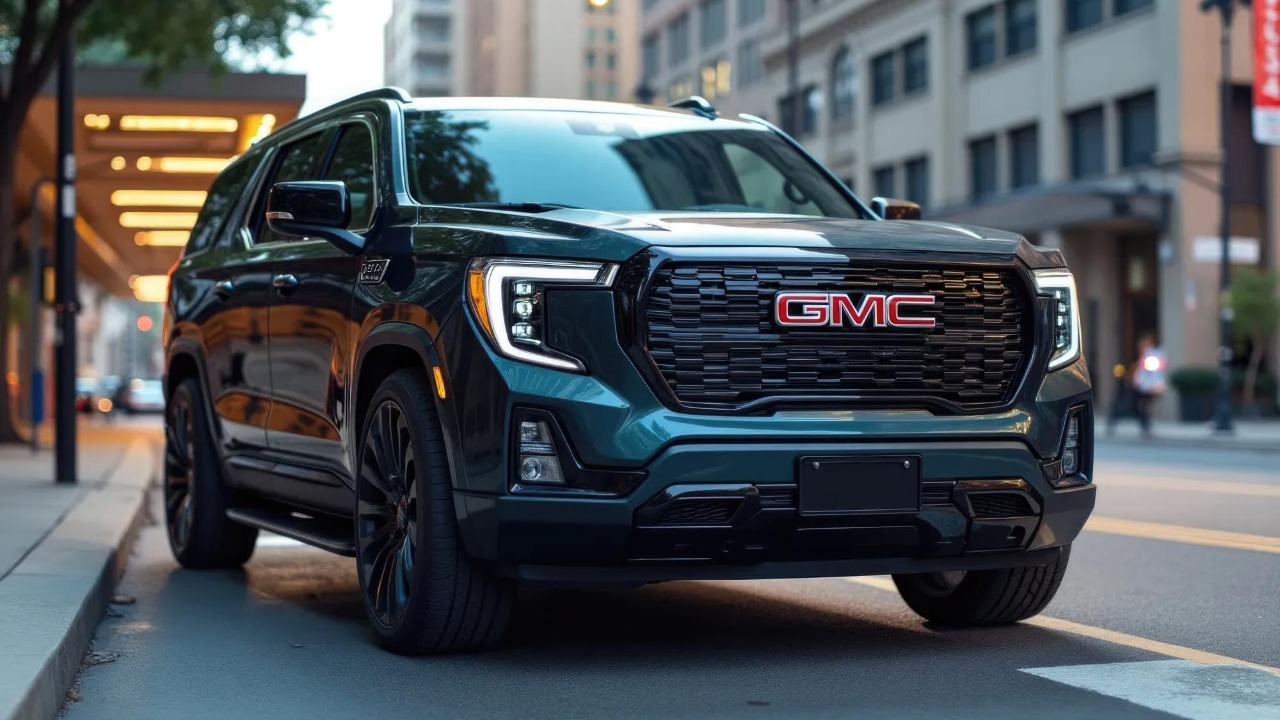
The automotive industry is facing a myriad of challenges and opportunities that will influence GM’s future performance. As the world moves towards cleaner energy solutions, automakers are under pressure to innovate and adapt. GM is responding by enhancing its EV lineup and investing in cutting-edge technologies to meet evolving consumer expectations and regulatory standards.
Industry projections indicate that the demand for EVs will continue to rise, creating new growth opportunities for automakers like GM. However, the transition to a more sustainable industry comes with its set of challenges, including supply chain disruptions and the need for substantial capital investment. GM’s ability to navigate these challenges will be critical in maintaining its competitive edge. For more on GM’s performance and outlook, you can explore the Washington Times.
Investors’ Reactions and Market Implications

The announcement of GM’s profit decline has prompted a mixed reaction from investors. While some express concern over the immediate financial results, others remain optimistic about the company’s long-term potential. The retention of its full-year forecast, despite the profit dip, has provided some reassurance to the market, indicating GM’s confidence in its strategic direction.
Investors are closely monitoring GM’s performance and strategic initiatives, particularly its investments in EV technology and market expansion plans. The company’s ability to deliver on these initiatives will be crucial in shaping investor sentiment and influencing stock performance. For a comprehensive view of investor reactions and market implications, the AP News offers valuable insights.
Technological Innovations and Future Growth
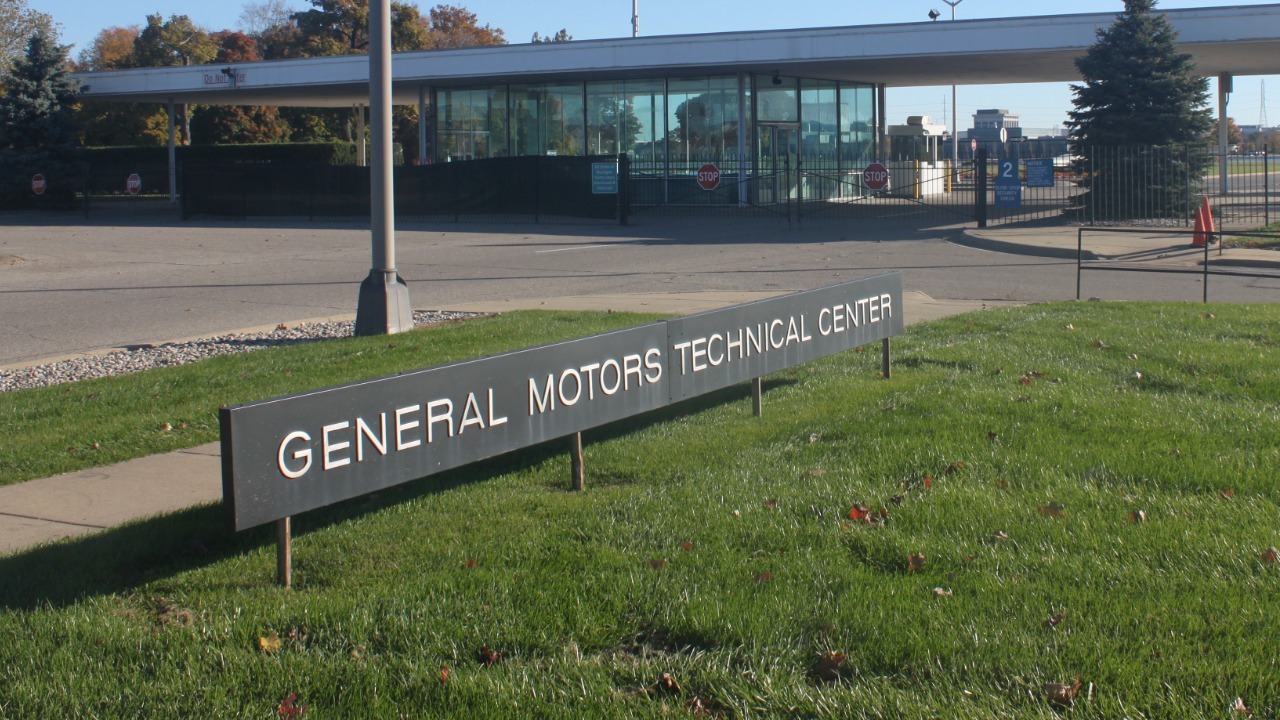
GM is at the forefront of technological innovation, with significant investments in EV technology and autonomous vehicles. These innovations are seen as key drivers of future growth, aligning with industry trends and consumer demands for environmentally friendly transportation solutions. GM’s commitment to developing advanced technologies positions it well for long-term success in the rapidly evolving automotive landscape.
The company’s innovation strategy includes not only expanding its EV lineup but also enhancing the capabilities of its vehicles with state-of-the-art features. By focusing on technology and sustainability, GM aims to capture new market segments and solidify its position as a leader in the automotive industry. This forward-thinking approach is expected to yield substantial returns as the demand for innovative transportation solutions continues to grow.

Grant Mercer covers market dynamics, business trends, and the economic forces driving growth across industries. His analysis connects macro movements with real-world implications for investors, entrepreneurs, and professionals. Through his work at The Daily Overview, Grant helps readers understand how markets function and where opportunities may emerge.

