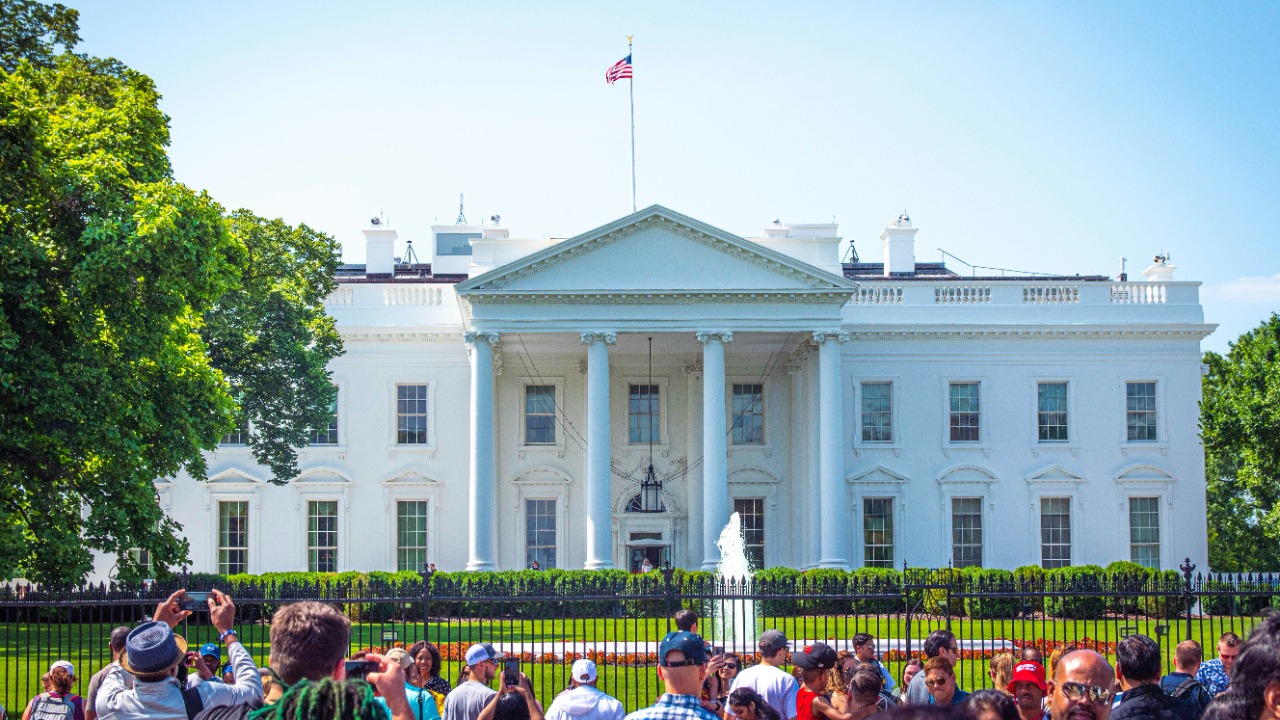
Recent statements from the White House suggest former President Donald Trump is opposed to Elon Musk’s xAI company securing federal contracts. This development has sparked a debate about the implications for the future of federal partnerships with private tech enterprises and the potential impact on innovation and national security.
The White House Position
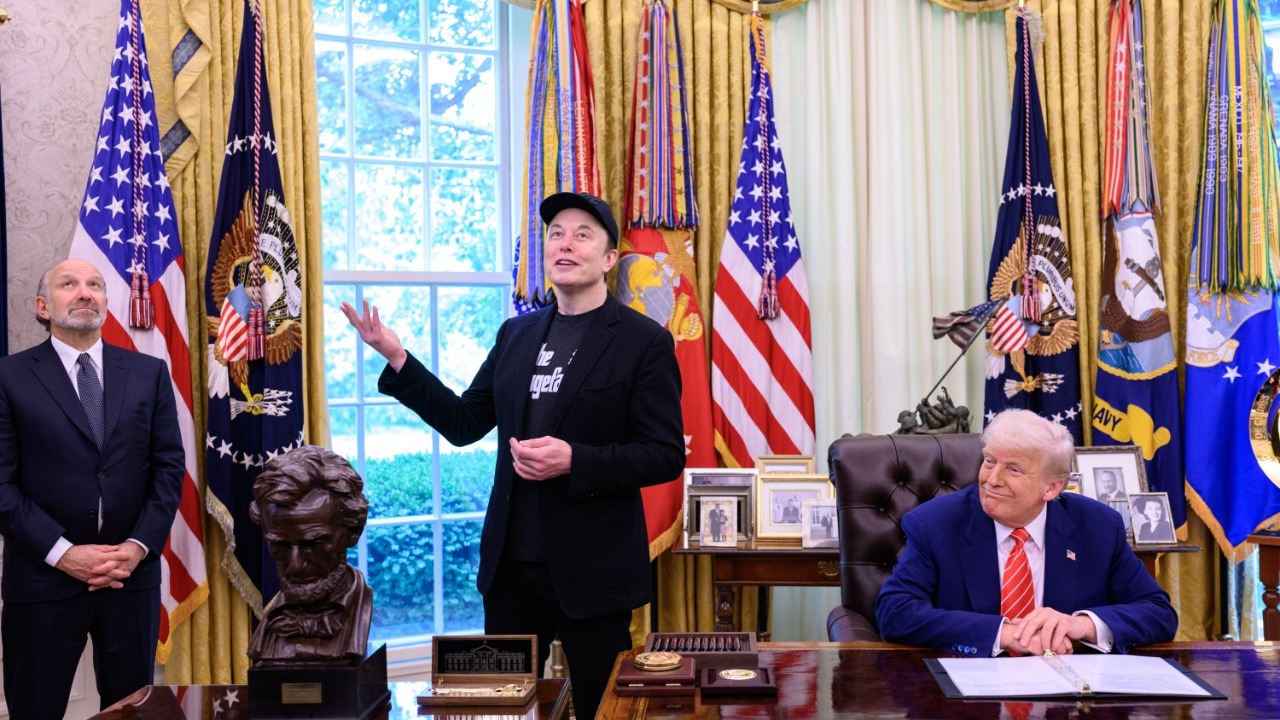
The White House has taken a firm stance, indicating that former President Trump’s opinions might influence decisions regarding federal contracts with Elon Musk’s xAI. This position was made clear through a series of comments and briefings that have been interpreted as a strategic move to distance the government from Musk’s enterprise. The administration appears to be considering various factors, including the national interest, economic implications, and the political landscape, in its approach to awarding contracts.
Analysts suggest that the White House’s position may be driven by political motivations. The administration could be attempting to mitigate potential risks associated with Musk’s expansive influence over both the tech industry and public opinion. By suggesting that Trump opposes these contracts, the White House might be positioning itself to align with a broader political strategy that emphasizes tighter control over federal engagements with powerful private entities. This approach could redefine how federal contracts are awarded, with increased scrutiny over the influence and reach of tech giants.
Trump’s Relationship with Elon Musk
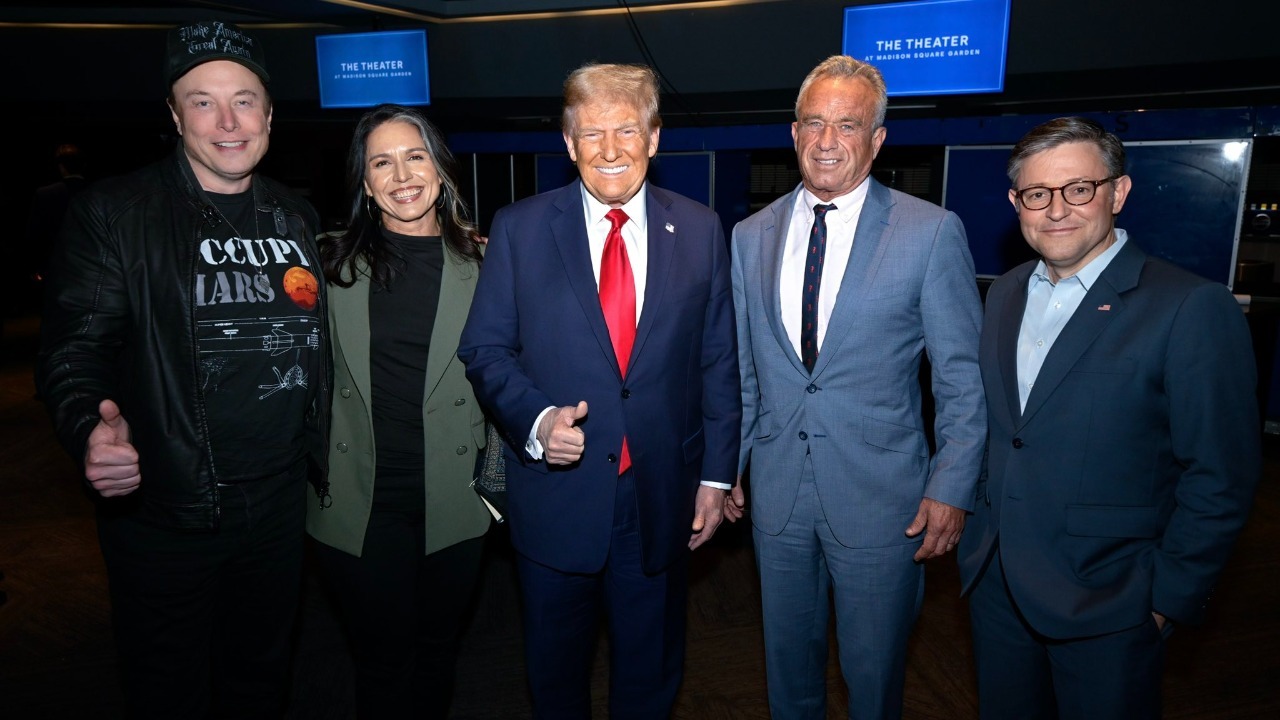
The relationship between Donald Trump and Elon Musk has been marked by a series of high-profile interactions and public statements. During Trump’s presidency, Musk was at times a critic and other times an ally, particularly on issues related to space exploration and economic growth. However, the dynamic between the two has been complex, with Musk often advocating for policies that align with his business interests, sometimes clashing with Trump’s political agenda.
Trump’s motivations for opposing federal contracts for xAI may stem from a variety of factors. Given Musk’s influential stature and the significant reach of his companies, Trump might view Musk’s expanding empire as a potential threat to his political influence. Additionally, Trump’s historical emphasis on American manufacturing and economic independence might conflict with Musk’s global business strategies. The implications for Musk’s business empire are significant, as federal contracts often represent lucrative opportunities and strategic partnerships that can spur growth and innovation across various sectors.
Impact on xAI and Federal Contracts
xAI, founded by Musk, has rapidly emerged as a key player in the artificial intelligence landscape. The company is focused on advancing AI technologies and has already started to engage with federal agencies on projects that could enhance national security and technological capabilities. The prospect of being denied federal contracts could pose substantial financial and operational challenges for xAI, potentially limiting its growth and ability to innovate in critical areas.
If federal contracts are withheld from xAI, the ripple effects could extend far beyond the company itself. The tech industry as a whole may need to reassess its strategies for securing government partnerships, especially if the political climate becomes less favorable towards collaborations with dominant tech figures. This could lead to a reshaping of how technology companies engage with the government, prompting a reevaluation of the balance between private innovation and public oversight.
Political and Economic Implications
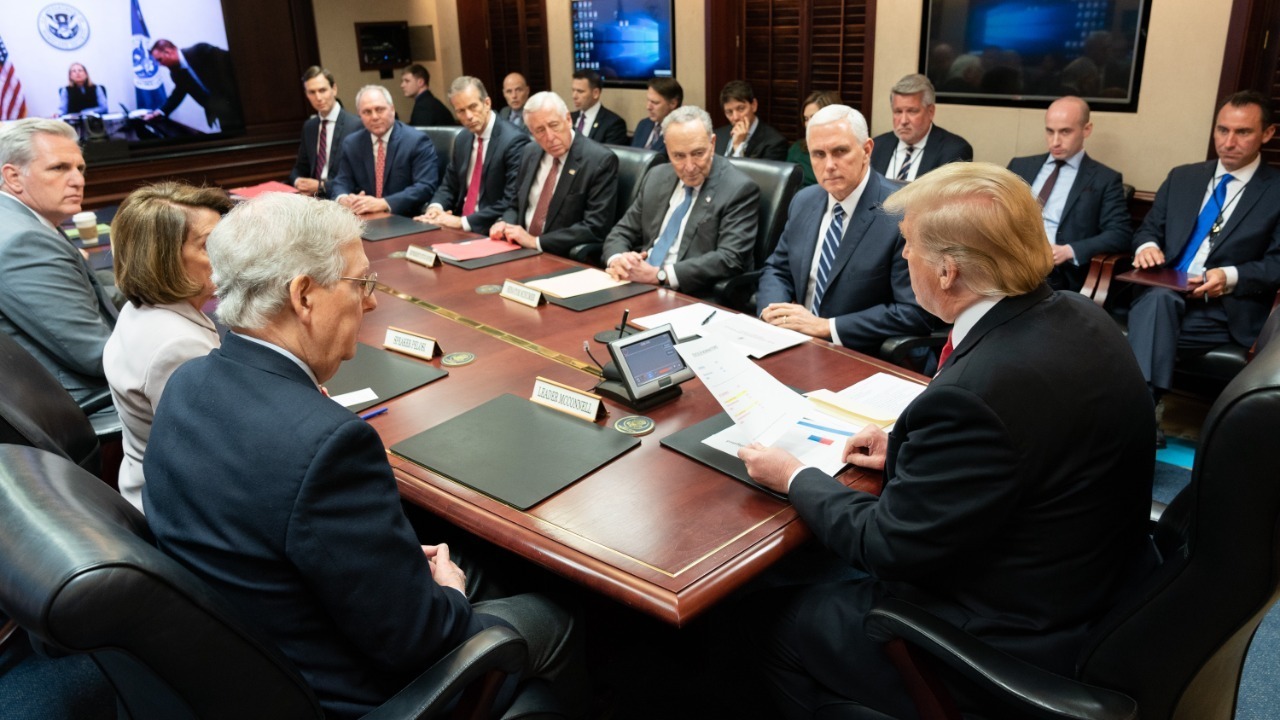
The evolving relationship between the tech industry and the federal government is poised for further transformation in light of these developments. If the White House’s suggestions are taken seriously, the tech industry might face increased scrutiny and a potential shift in how it interacts with government entities. Companies that have traditionally relied on federal contracts for growth and stability might need to diversify their revenue streams and explore new markets.
Economically, the implications are profound. Federal contracts often provide a stable source of revenue for tech companies, supporting research and development initiatives that drive innovation. A change in the awarding of these contracts could disrupt industry dynamics, forcing companies to adapt quickly to maintain their competitive edge. This could also influence public perception of government-private sector partnerships, as the balance between fostering innovation and ensuring national security becomes a central theme in policy discussions.
Future of AI and Federal Engagements
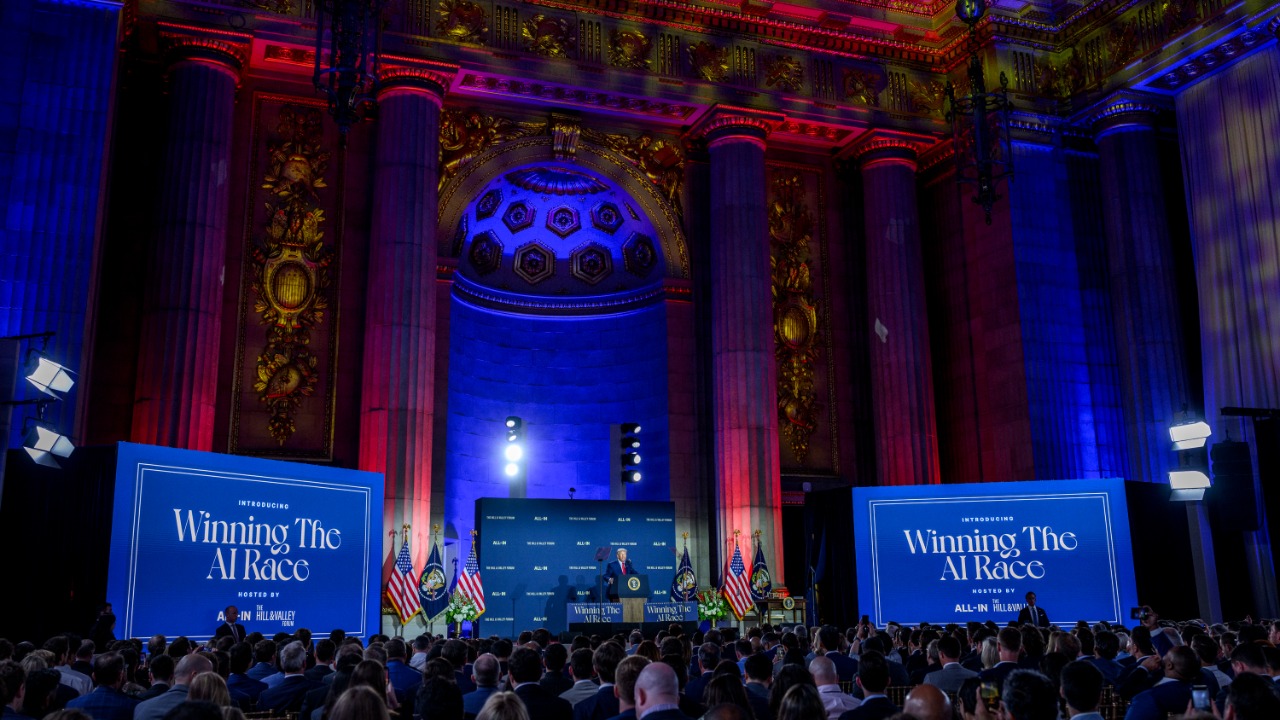
The future landscape of AI companies seeking federal contracts is likely to be shaped by a complex interplay of innovation, politics, and national security concerns. As AI technologies continue to evolve, the government will need to navigate the challenges of fostering innovation while safeguarding national interests. This balance will be critical in determining the nature and extent of federal engagements with AI firms.
Government oversight will play a pivotal role in the rapidly evolving AI industry. As new technologies emerge, the need for robust regulatory frameworks will become increasingly important to ensure that advancements in AI align with ethical standards and national security priorities. The debate over xAI’s federal contracts highlights the broader challenge of integrating cutting-edge technology into government operations while managing potential risks and complexities.
In conclusion, the White House’s suggestions regarding Trump’s opposition to xAI’s federal contracts underscore the intricate relationship between politics, technology, and national security. As the landscape continues to evolve, stakeholders across the tech industry and government will need to engage in thoughtful dialogue to navigate the challenges and opportunities that lie ahead.

Grant Mercer covers market dynamics, business trends, and the economic forces driving growth across industries. His analysis connects macro movements with real-world implications for investors, entrepreneurs, and professionals. Through his work at The Daily Overview, Grant helps readers understand how markets function and where opportunities may emerge.