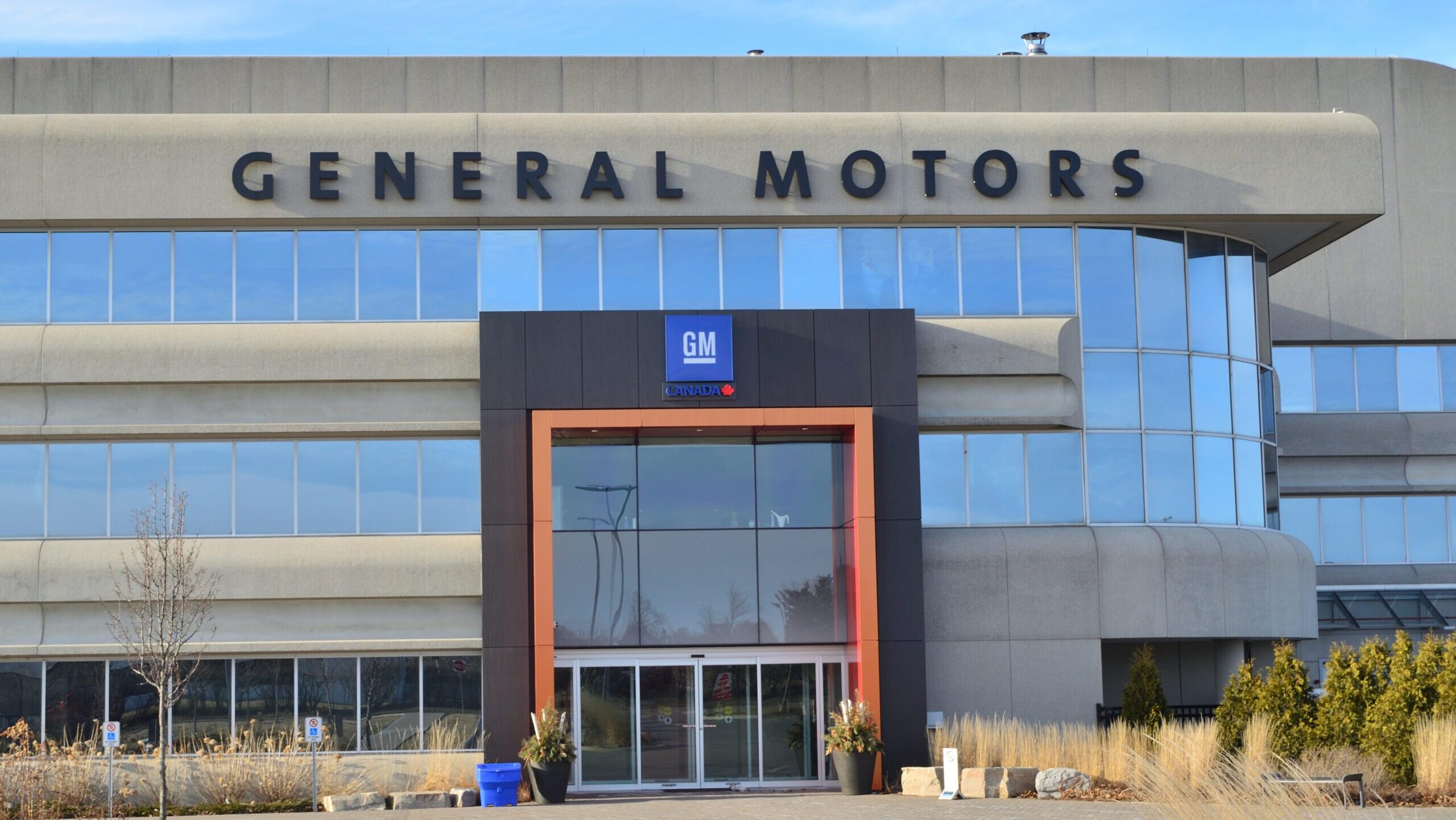
General Motors is quietly redrawing the map of its supply chain, telling key partners to shift magnet and motor sourcing out of China just as Beijing tightens its grip on rare earth exports. The move is not just a procurement tweak, it is a strategic bet that control over critical materials will decide who wins the next decade of electric and hybrid vehicles. As the rare earth fight escalates, GM is trying to turn supply risk into a competitive edge.
By pushing suppliers toward North American and allied sources of rare earths, GM is effectively declaring that dependence on Chinese magnets is no longer acceptable business risk. The company is gambling that paying more upfront for secure supply will prove cheaper than scrambling for parts in a geopolitical crisis, and early market reaction suggests investors are starting to agree.
GM’s rare earth pivot moves from hedge to headline strategy
I see GM’s rare earth strategy as a classic case of a hedge turning into a headline. For several years, the automaker has been working to reduce its exposure to Chinese-made permanent magnets that rely on neodymium, praseodymium and other rare earth elements essential for modern electric motors. That effort, once viewed as a niche supply-chain experiment, now looks prescient as China tightens export controls on magnet technologies and materials, a shift detailed in reporting on GM’s earlier rare earth gamble. What began as a diversification play has become a central pillar of GM’s industrial policy.
The company’s message to suppliers is blunt: future programs need to be insulated from Chinese rare earth risk. That means requalifying magnet suppliers, redesigning motors where necessary and, in some cases, backing new mining and processing capacity in the United States and allied countries. Investor-focused coverage has framed this as GM effectively declaring “rare earth independence” and shifting to a U.S.-anchored supply chain, a stance underscored by analysis of how the automaker is dumping China for U.S. supply. In practical terms, that independence is still a work in progress, but the direction of travel is unmistakable.
China’s export squeeze turns a supply risk into a strategic opening
China’s decision to tighten controls on rare earth magnets has turned a long-theorized risk into a live-fire test of Western industrial resilience. Rare earths are not actually rare in the earth’s crust, but China dominates the mining, separation and magnet-making steps that turn ore into high-performance components. When Beijing began signaling stricter oversight of magnet exports, it effectively reminded global manufacturers that a single country sits at the choke point of their electric motor supply. That context is central to understanding why GM’s push to get suppliers out of China suddenly looks less like overcaution and more like strategic foresight.
Some market commentators argue that China may have overplayed its hand. In one widely cited assessment, hedge fund manager Louis Bessent told the Financial Times that Beijing “made a mistake” by firing early shots in the rare earth contest, a view summarized in coverage of how China made a mistake by weaponizing these materials. The logic is straightforward: every time China uses export controls to gain leverage, it accelerates the West’s determination to build alternative supply chains. GM’s directive to suppliers fits squarely into that pattern, turning a vulnerability into a catalyst for reshoring and diversification.
Wall Street and retail traders reward GM’s supply-chain discipline
Financial markets have been quick to connect GM’s rare earth strategy with its broader valuation story. Analysts who once criticized the company for heavy capital spending on EV platforms and battery plants are now re-rating those investments in light of supply security. One widely circulated note argued that GM “looks like a genius” for moving early to secure non-Chinese magnet supply just as the U.S.–China rare earth clash heats up, a sentiment captured in coverage of how analysts say GM looks like a genius. The core argument is that investors should value not only GM’s product pipeline but also its insulation from geopolitical shocks.
Retail traders have followed suit, treating GM’s rare earth pivot as a bullish signal rather than a cost burden. On social platforms that track sentiment, users have highlighted the company’s supply-chain moves as a reason to stay long the stock, with commentary emphasizing that GM is less likely to face production halts if China tightens the screws further. One snapshot of this mood comes from a trading-focused news feed that framed the rare earth strategy as a key reason retail traders stay bullish on GM. In a market that has punished automakers for any hint of execution risk, being perceived as the company that planned ahead on critical materials is no small advantage.
Inside GM’s push to rewire its magnet and motor supply chain
Behind the headlines, GM’s directive to suppliers is forcing a detailed re-engineering of how its vehicles get built. Permanent magnet motors sit at the heart of models like the Chevrolet Blazer EV and Cadillac Lyriq, and the rare earth content in each motor ties directly back to upstream mining and processing decisions. By telling suppliers to move away from Chinese sources, GM is effectively asking them to qualify new magnet producers, often in North America, and to prove that performance and cost can remain competitive. Industry-focused commentary has described how GM’s early moves to line up alternative magnet capacity are now paying off as China tightens exports, a dynamic highlighted in analysis of GM’s rare earth gamble paying off.
That shift is not purely about geography, it is also about technology. GM and its partners are exploring motor designs that use fewer rare earths or substitute different materials, even as they work to localize traditional neodymium-based magnets. Short video explainers aimed at retail investors have walked through how GM’s supply-chain overhaul intersects with its Ultium EV platform, emphasizing that the company is trying to lock in magnet and motor capacity years ahead of peak demand. One such clip breaks down how GM’s rare earth strategy fits into its broader EV roadmap, illustrating the stakes for future production in a concise video overview. The message is consistent: GM is not waiting for a crisis to redesign its sourcing, it is building a new architecture around the assumption that Chinese magnets may be unreliable or politically constrained.
Public debate and geopolitical signaling around GM’s move
GM’s rare earth pivot has spilled beyond investor circles into a broader public debate about industrial policy and national security. Technology forums and social platforms have lit up with discussions of whether the company’s strategy should be a template for other manufacturers that rely on Chinese inputs. In one widely shared thread, users dissected how GM’s early bet on non-Chinese magnet supply now looks savvy as Beijing tightens export rules, with commenters framing the move as a case study in how to de-risk critical materials. That conversation is captured in a detailed technology forum discussion that treats GM’s decision as both a business story and a geopolitical signal.
Video commentary has amplified that framing, often tying GM’s supplier directive to the broader U.S.–China rivalry over advanced manufacturing. One short clip aimed at a general audience lays out how rare earths underpin everything from EVs to defense systems, then points to GM’s shift away from Chinese magnets as evidence that corporate America is internalizing geopolitical risk. Another explainer, focused more squarely on the auto sector, walks through how GM’s sourcing changes could influence other Detroit automakers and their suppliers, presenting the company’s strategy as a leading indicator of where the industry is headed. Together, these perspectives show up in concise video commentary that treats GM’s move as part of a larger realignment of global supply chains.
What GM’s rare earth play means for the next phase of the EV race
For all the focus on magnets and mines, the real stakes in GM’s rare earth strategy lie in the future shape of the EV market. Automakers are racing to scale electric and hybrid production while wrestling with cost, charging infrastructure and consumer demand. Supply-chain resilience is often treated as a back-office concern, but in a world where a single export control decision can choke off key components, it becomes a front-line competitive factor. GM’s decision to push suppliers out of China is a bet that customers and investors will ultimately reward the company that can keep building cars when others are scrambling for parts.
That bet is already being woven into narratives about GM’s long-term positioning. Long-form video analysis has argued that the company’s rare earth independence push could give it more control over pricing and production schedules, especially if geopolitical tensions worsen. One such breakdown of GM’s strategy links its magnet sourcing decisions to broader themes of reshoring, national security and industrial competitiveness, presenting the automaker as an early mover in a structural shift away from Chinese-controlled supply chains. The argument is laid out in a detailed strategy-focused video that frames GM’s rare earth play as a cornerstone of its EV ambitions. If that view proves correct, telling suppliers to leave China will be remembered not as a defensive maneuver, but as one of the defining strategic calls of the EV era.
More From TheDailyOverview
- Dave Ramsey says these two simple questions show whether you’re rich or poor
- Retired But Want To Work? Try These 18 Jobs for Seniors That Pay Weekly
- IRS raises capital gains thresholds for 2026 and what’s new
- 12 ways to make $5,000 fast that actually work

Grant Mercer covers market dynamics, business trends, and the economic forces driving growth across industries. His analysis connects macro movements with real-world implications for investors, entrepreneurs, and professionals. Through his work at The Daily Overview, Grant helps readers understand how markets function and where opportunities may emerge.

