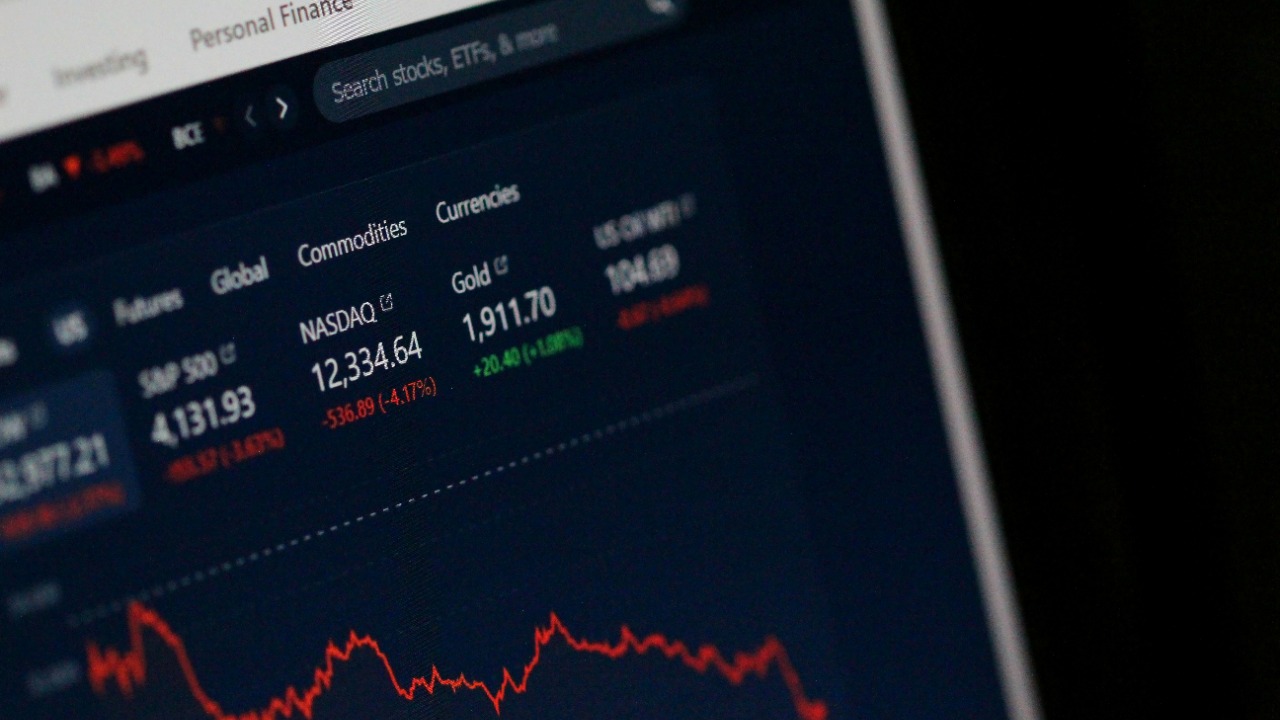
Markets are ending the year in a bruising mood, with equities swinging sharply and bond yields still elevated, yet gold has refused to buckle in the same way. Instead of joining the rout, the metal has largely held its ground, inviting a fresh look at whether it deserves a central spot in December portfolios that are scrambling for stability.
I see that resilience as less of a mystery and more of a stress test of gold’s core narrative: a hedge against financial shocks, inflation scares, and policy uncertainty. The question for investors is not whether gold has been steady, but whether that steadiness is durable enough to justify new allocations as the year closes and volatility lingers.
How gold behaved as stocks and bonds sold off
When risk assets slide together, the first thing I watch is whether traditional hedges are actually doing their job. During the latest leg of the selloff, major equity benchmarks retreated and bond prices struggled to mount a convincing rebound, yet spot gold and leading bullion-backed exchange-traded funds stayed comparatively firm, with price action that looked more like consolidation than capitulation. That pattern underscored gold’s role as a portfolio stabilizer when both sides of the classic 60/40 mix come under pressure, a dynamic that has been highlighted in recent analyses of cross-asset performance in stressed markets, including the behavior of spot gold and large funds such as SPDR Gold Shares.
What stands out to me is not just that gold avoided a deep drawdown, but that its intraday swings were relatively contained compared with the violent moves in growth stocks and long-duration bonds. While technology names and speculative assets saw double-digit percentage drops from recent highs, bullion’s pullbacks were measured in far smaller increments, even as trading volumes in gold-linked products remained robust. Data on flows into physically backed vehicles like iShares Gold Trust and futures positioning on COMEX show that investors did trim exposure at points, but not in the kind of forced liquidation that hit more leveraged corners of the market, reinforcing the perception of gold as a relatively calm harbor in a choppy sea.
The macro backdrop: inflation, rates and a cautious Federal Reserve
Gold’s ability to stay anchored while other assets wobble is closely tied to the macro backdrop, particularly the tug of war between inflation expectations and interest rates. As consumer price data have cooled from their peak but remain above central bank comfort zones, traders have steadily repriced the path of policy, pulling forward expectations for rate cuts while still acknowledging that real yields are high by the standards of the past decade. That combination has kept the opportunity cost of holding non-yielding assets like gold in focus, yet it has also preserved demand for hedges against the risk that inflation proves sticky or that growth slows more sharply than policymakers intend, themes that show up in the market’s reaction to recent CPI releases and shifting probabilities in Fed funds futures.
I read the Federal Reserve’s latest communications as an important part of why gold has not cracked. Officials have signaled that they are closer to the end of the tightening cycle, even as they insist that decisions remain data dependent and that rates may need to stay restrictive for some time. That nuanced stance has capped the upside in the dollar and long-term yields, both of which tend to pressure gold when they surge, while leaving room for investors to seek insurance against policy missteps. The interplay is visible in the way bullion prices responded to recent FOMC statements and Summary of Economic Projections, with gold dipping on hawkish surprises but quickly recovering as markets reassessed the balance of risks.
Positioning, flows and what they reveal about investor conviction
To judge whether gold’s steadiness is sustainable, I look beyond price and into positioning. Futures data from the Commitments of Traders reports show that speculative net long positions in gold have come off their extremes, suggesting that the market is not crowded in the same way it was during earlier inflation scares. At the same time, holdings in large bullion ETFs such as GLD and IAU have stabilized after prior outflows, indicating that long-term investors are more inclined to sit tight than to abandon the trade outright. That mix of moderate speculative exposure and sticky core holdings points to a base of conviction that can absorb bouts of volatility without triggering a cascade of selling.
Flows into related vehicles also tell a story about how investors are using gold in practice. In multi-asset funds and model portfolios tracked by major research providers, allocations to precious metals have edged higher relative to earlier in the year, often at the expense of cyclical equities and lower-quality credit. Managers have cited the desire to reduce overall portfolio beta while keeping some exposure to assets that can benefit if central banks pivot more decisively toward easing. The pattern is consistent with the resilience of gold mining equities, including names like Newmont Corporation and Agnico Eagle Mines, which have lagged the metal at times but have not suffered the kind of indiscriminate selling seen in more speculative sectors, according to recent sector performance breakdowns on U.S. markets dashboards.
Comparing gold with other “safe” December plays
Calling any asset the safest play in December is a stretch, but I find it useful to compare gold with the other havens investors typically reach for when volatility spikes. Short-term U.S. Treasurys, such as 2-year notes and 3-month bills, offer explicit yields backed by the federal government, and money market funds have attracted large inflows as investors park cash in instruments that benefit directly from higher policy rates. At the same time, the prices of longer-dated bonds have been far more volatile, and the experience of sharp drawdowns in benchmark ETFs like iShares 20+ Year Treasury Bond has reminded investors that duration risk can be painful when inflation and rate expectations shift. Against that backdrop, gold’s lack of yield is a trade-off for its independence from credit risk and its tendency to respond differently to macro shocks.
Other perceived shelters, from defensive equity sectors to the U.S. dollar, have delivered mixed results. Shares of consumer staples and utilities, tracked through funds such as Consumer Staples Select Sector SPDR and Utilities Select Sector SPDR, have held up better than high-growth technology names but still move with the broader equity market and can be hit by concerns about regulation or input costs. The dollar, measured by indexes like the U.S. Dollar Index, has been strong at times, yet its performance is tightly linked to expectations for relative interest rates and global growth, which can reverse quickly if the Federal Reserve shifts tone. In that context, gold’s recent ability to maintain value while both stocks and bonds wobble gives it a distinct profile among December options, though it does not eliminate the risk of drawdowns if real yields rise again or if risk sentiment snaps back and investors rotate aggressively out of hedges.
What a “defensive” gold allocation might look like now
For investors weighing whether to lean on gold as a defensive anchor into year-end, the key is sizing and structure rather than an all-or-nothing bet. Historical studies of diversified portfolios often show that modest allocations to bullion, typically in the range of 5 percent to 10 percent of total assets, can reduce volatility without dramatically sacrificing long-term returns, especially in environments where inflation and policy uncertainty are elevated. Implementing that exposure through liquid vehicles like GLD, IAU, or physically backed coins and bars allows investors to adjust positions as the macro picture evolves, while more aggressive traders may prefer futures or options on platforms such as CME Group to express shorter-term views.
I also pay close attention to how gold interacts with the rest of a portfolio’s risk profile. In a mix that already leans heavily on long-duration bonds and growth equities, adding gold can help diversify exposure to real-rate shocks and policy surprises. In contrast, for investors who are already overweight cash, short-term Treasurys, and defensive sectors, the marginal benefit of additional gold may be smaller, particularly if they are sensitive to the metal’s lack of income. Tools that map historical correlations between gold, stocks, and bonds, such as multi-asset analytics offered by major brokerages and data providers, can help quantify those trade-offs and show how a specific allocation would have behaved during past episodes of market stress, including the recent rout that left bullion comparatively unscathed.
Ultimately, I see gold’s firm footing in the latest selloff as a validation of its role as a stabilizer rather than a guarantee of smooth sailing. The same forces that have supported the metal, from cautious central banks to lingering inflation risk and geopolitical uncertainty, can shift quickly if growth data surprise to the upside or if policymakers move faster toward easing than markets expect. For now, though, the evidence from price action, positioning, and cross-asset comparisons suggests that a measured allocation to gold can still serve as a credible defensive tool in December portfolios that are trying to navigate a late-year storm without retreating entirely to the sidelines.
More From TheDailyOverview
- Dave Ramsey says these two simple questions show whether you’re rich or poor
- Retired But Want To Work? Try These 18 Jobs for Seniors That Pay Weekly
- IRS raises capital gains thresholds for 2026 and what’s new
- 12 ways to make $5,000 fast that actually work

Grant Mercer covers market dynamics, business trends, and the economic forces driving growth across industries. His analysis connects macro movements with real-world implications for investors, entrepreneurs, and professionals. Through his work at The Daily Overview, Grant helps readers understand how markets function and where opportunities may emerge.

